



A Taste of the Punjabi Heartland
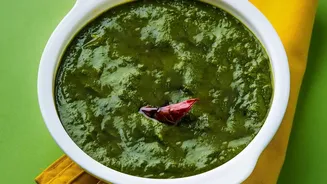
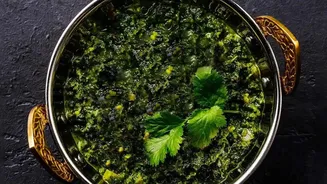
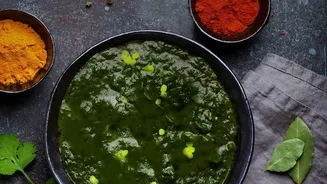
Sarson da Saag is quintessentially Punjabi, a dish born from the region's fertile agricultural lands. Historically, it was the food of farmers, providing a robust, nutrient-dense meal to sustain them through long days of physical labour in the cold. The
dish is intrinsically linked to the winter harvest, when fields of mustard plants (sarson) bloom in brilliant yellow. This seasonal abundance makes it a staple, especially during winter festivals like Lohri, where it symbolises prosperity and gratitude for the harvest. Its preparation is a cherished tradition, a reminder of slow food culture that respects time, season, and technique.
The Essential Green Trio
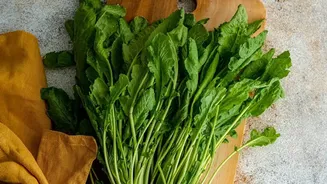
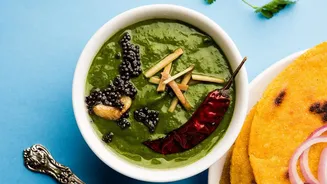
Authentic Sarson da Saag is rarely made with mustard greens alone. The magic lies in the blend of greens, which balances the sharp, peppery flavour of sarson. The most common additions are palak (spinach) and bathua (chenopodium or pigweed). Spinach lends a milder flavour and a creamier consistency, while bathua adds its own unique earthy notes. Some variations also include tender radish leaves (mooli ke patte) or a small amount of fenugreek (methi) to add further complexity. This combination ensures a layered flavour profile that is simultaneously pungent, earthy, and deeply satisfying.
The Art of Slow Cooking
Patience is a key ingredient in making true Sarson da Saag. Traditionally, the greens are slow-cooked for hours in an earthen pot (handi) over a low flame. This unhurried process is crucial for breaking down the tough fibres of the mustard leaves, allowing them to become tender and melt together into a creamy, luscious consistency. Once cooked, the greens are mashed, often with a wooden masher called a 'ghotna'. While modern kitchens often use pressure cookers to save time, the slow-simmering method is what develops the dish's signature deep, rustic flavour that cannot be rushed.
The Perfect Companions
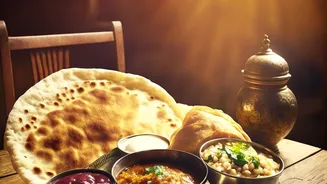
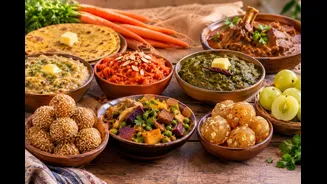
Sarson da Saag is almost inseparable from its classic partner: Makki di Roti. This rustic flatbread is made from maize flour (makki ka atta), which gives it a slightly sweet, nutty flavour and a crumbly texture. The combination is a perfect match; the sturdy roti is ideal for scooping up the rich, creamy saag. The meal is traditionally served with a generous dollop of white butter (makhan) or ghee melting on top, which enriches the flavour and aids in the absorption of fat-soluble vitamins. A small piece of jaggery (gur) and a glass of lassi often complete this iconic Punjabi feast.
A Winter Nutritional Powerhouse
Beyond its comforting taste, Sarson da Saag is a nutritional heavyweight perfectly suited for winter. Mustard greens are packed with vitamins A, C, and K, as well as minerals like iron and calcium that help boost immunity during cold and flu season. According to Ayurveda, mustard greens have a warming effect (ushna), which helps stimulate digestion and circulation, countering the natural sluggishness the body can feel in colder weather. The high fibre content from the blend of greens supports gut health, while the addition of spices like ginger and garlic provides further anti-inflammatory benefits.