




The Power of Eyes on the Ground
Scientists can’t be everywhere at once. Climate monitoring, from tracking shifting rainfall patterns to documenting changes in plant and animal life, demands a scale of data collection that is often impossible for research teams alone. This is where citizen
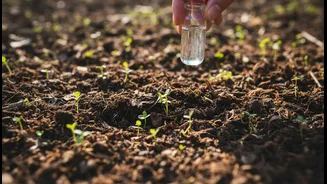
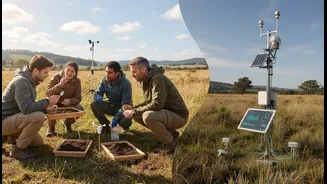
science, also known as community science, steps in. By empowering local residents with simple tools and training, scientists can gather vast amounts of high-frequency, hyper-local data. This can involve anything from using a smartphone app to identify local flora and fauna, to measuring rainfall with a simple gauge, or documenting the timing of seasonal events like the first bloom of a flower. This approach turns the entire country into a living laboratory, filled with observers who are deeply familiar with their own environment.
Fusing Modern Science with Traditional Knowledge
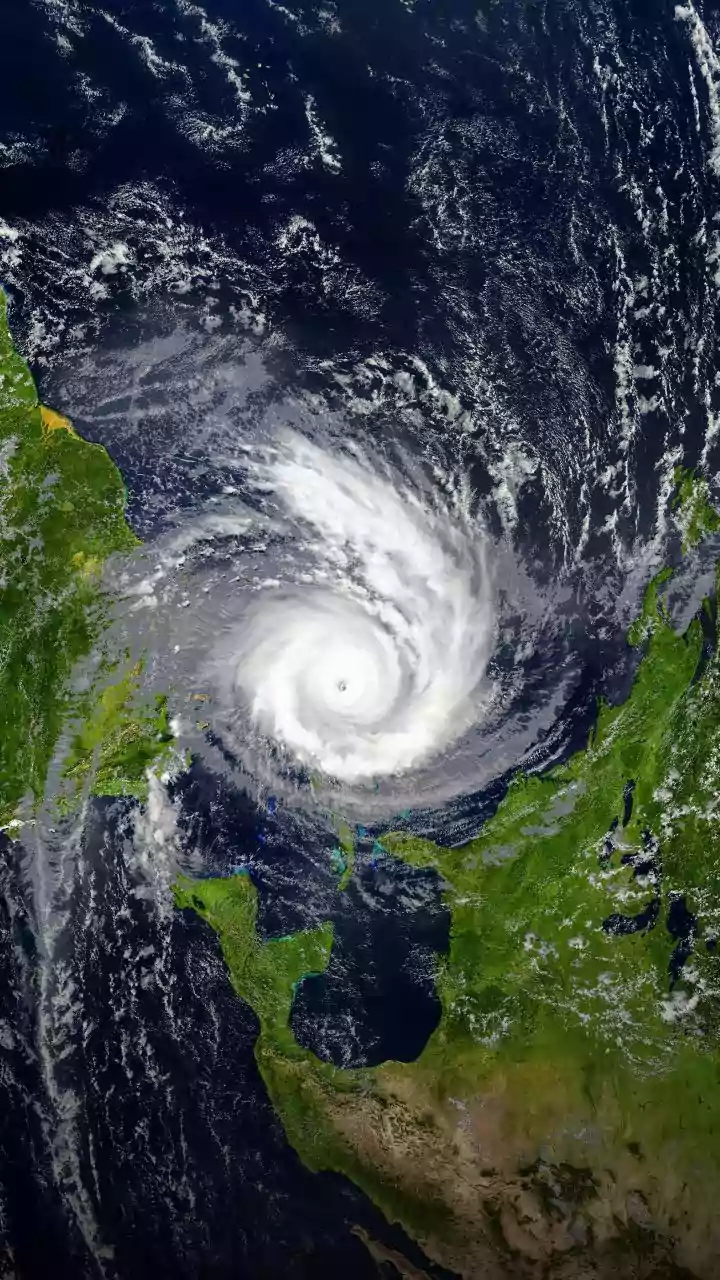
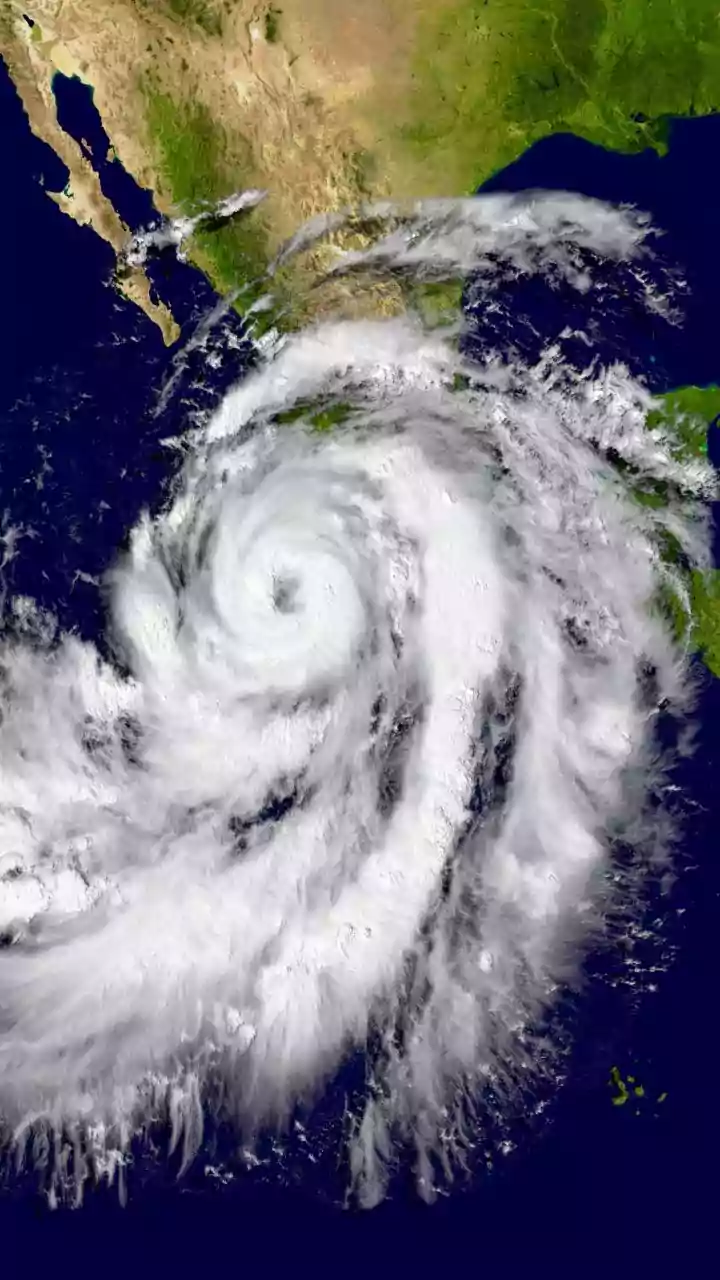
In a country as diverse as India, local and Indigenous communities possess generations of accumulated wisdom about their environments. This Traditional Ecological Knowledge (TEK) is an invaluable, but often overlooked, dataset. For instance, elders in a forest community might know precisely when certain medicinal plants are most potent based on seasonal cues, or how changes in bird calls can predict an incoming storm. When this deep, qualitative understanding is combined with modern scientific methods, the results are incredibly powerful. It provides context, nuance, and a historical baseline that scientific instruments alone cannot capture. Projects that successfully merge these two knowledge systems can create more accurate and culturally relevant climate adaptation strategies, whether for managing water resources in a drought-prone area or preparing for cyclones along the coast.
From Data Collection to Community Action
The benefits of community involvement extend far beyond just data points. Participation fosters a deeper understanding of and connection to the local environment. When people see the tangible impacts of climate change in their own backyards—and see their own observations contributing to the solution—it builds a sense of ownership and agency. This empowerment is a crucial driver of local climate action. In several parts of India, community-led initiatives are already making a difference. For example, in some flood-prone villages in Assam, local committees monitor river levels and help coordinate evacuations. In Mumbai, residents of an informal settlement have mapped flood-prone areas to create their own first-response strategy. These projects demonstrate that when communities are involved in monitoring, they are more likely to be involved in developing and implementing solutions.
Challenges and the Path Forward
Despite its immense potential, community-based monitoring is not without its challenges. Ensuring data quality and consistency across a wide network of volunteers requires robust training, simple tools, and clever verification methods. Keeping volunteers engaged over the long term can also be difficult, and projects must communicate clearly how the data is being used and why it is critical. Furthermore, there is the challenge of translating this wealth of local data into effective policy and action at a larger scale. However, as technology like smartphone apps and low-cost sensors becomes more accessible, these hurdles are becoming easier to overcome. The growing consensus is that these challenges are worth tackling, as the scientific and societal rewards are too great to ignore.