



Check Your Tyres' Health
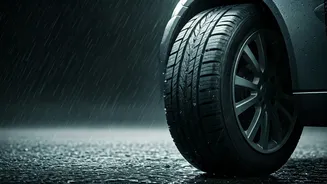
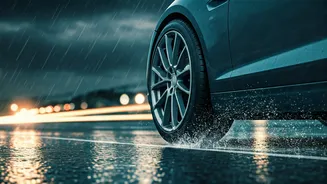
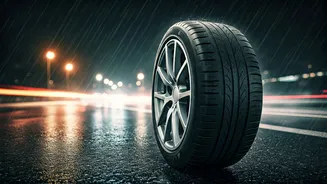
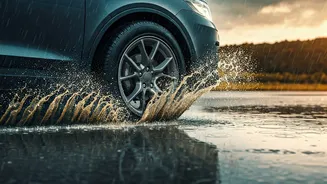
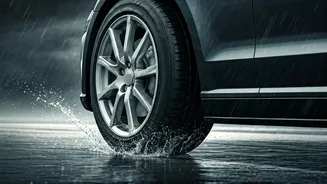
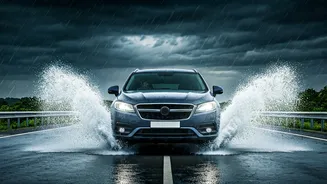
Your tyres are the only part of your car in contact with the road, and on wet surfaces, their role is even more critical. Worn-out tyres cannot effectively channel water away, leading to a dangerous phenomenon called aquaplaning, where your car effectively skates
on a thin layer of water, and you lose steering control. Before the monsoon hits, inspect your tyre tread depth. The legally required minimum might be 1.6mm, but for wet conditions, more is always better. A simple way to check is with a one-rupee coin: if the head of the Ashoka lion is fully visible when you insert the coin into the tread grooves, your tyres are likely too worn and need replacing. Also, ensure your tyres are inflated to the manufacturer's recommended pressure. Check the pressure when the tyres are cold for an accurate reading, as heat from driving can temporarily increase it.
Prioritise Visibility: Wipers and Lights
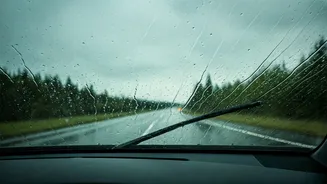
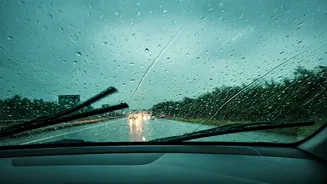
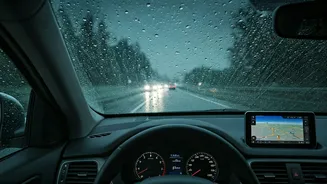
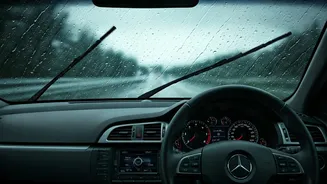
Good visibility is non-negotiable in a downpour. If your wipers leave streaks, judder across the windscreen, or make a squeaking noise, it’s a clear sign the rubber blades are old, hardened, or damaged. Wiper blades are inexpensive and easy to replace; it's one of the best value-for-money safety investments you can make. While you're at it, top up your windshield washer fluid. A mix of road grime and rain can create a muddy film that only the washer jet can effectively clean while you're on the move. Similarly, check all your lights—headlights, tail lights, brake lights, and indicators. In the grey, low-light conditions of a heavy shower, they are not just for you to see, but for others to see you. Clean the lamp covers for maximum brightness.
Ensure Your Brakes Are Responsive
Wet roads significantly increase your car's stopping distance—sometimes by up to three times that of dry roads. This makes having a perfectly functioning braking system absolutely crucial. Before the season, pay attention to any signs of brake trouble: a spongy feel in the pedal, a grinding or screeching noise, or the car pulling to one side when you apply the brakes. These are red flags that demand immediate attention from a mechanic. Get your brake pads, discs, and brake fluid levels checked. Don’t postpone brake-related servicing. Remember, in the rain, you’ll need to brake more gently and much earlier than you would on dry roads to avoid skidding and to give the driver behind you ample warning.
Adjust Your Driving Technique
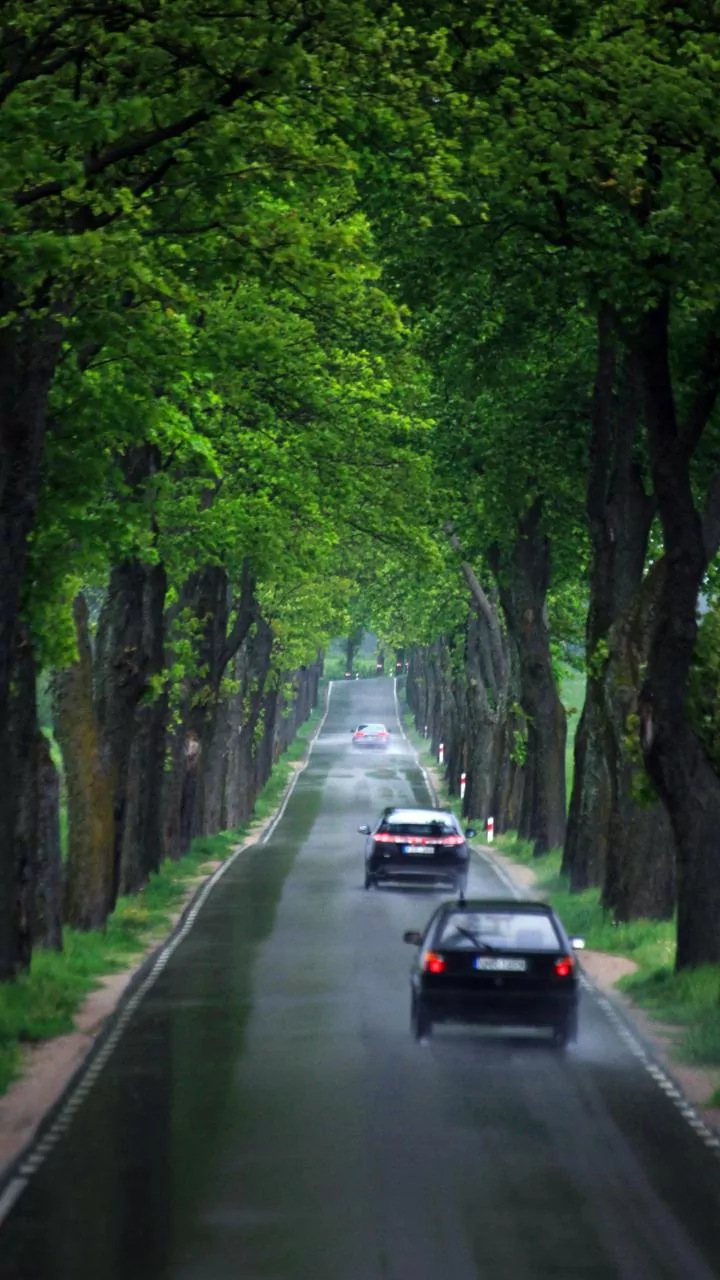
Prepping your car is half the battle; the other half is adjusting your driving style. The single most important thing you can do is slow down. Speed is your enemy on wet roads. Increase the following distance between your car and the one ahead to at least five or six seconds, giving you more time to react. Avoid sudden acceleration, hard braking, or sharp turns, as these can easily unsettle the car. Be extra cautious of waterlogged areas. It's impossible to know the depth or see hidden potholes. If you must cross a puddle, watch other vehicles go through first. Drive through slowly in a low gear, keeping the engine revs high to prevent water from entering the exhaust pipe and stalling the engine.
Avoid Using Hazard Lights While Driving
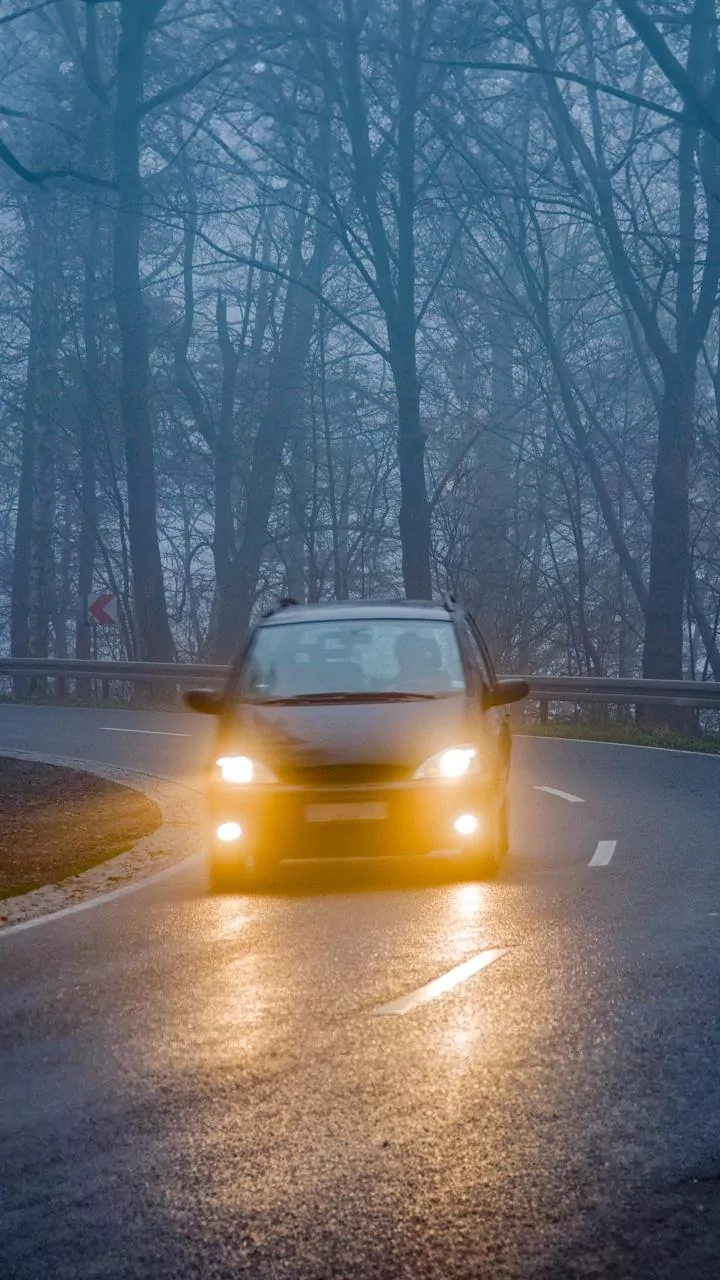
This is a common but dangerous practice on Indian roads. Many drivers switch on their hazard lights (the 'blinkers') when driving through heavy rain. This is incorrect and confusing. Hazard lights are designed to signal that your vehicle is stationary and poses a temporary obstruction. When you use them while moving, drivers behind you cannot tell if you intend to switch lanes or brake. It masks your turn signals. The correct procedure is to switch on your headlights (on low beam) to increase your visibility to others, both in front and behind. Use your hazard lights only when you have pulled over to the side and stopped completely.
Pack a Simple Emergency Kit
Hope for the best, but prepare for the worst. A small emergency kit in your boot can be a lifesaver if you get stranded. Your kit should include a tow rope, a set of jumper cables, a high-visibility reflective triangle, and a first-aid kit. A powerful torch with extra batteries is also essential, especially for night-time breakdowns. It's also wise to keep a few bottles of drinking water and some non-perishable snacks. Getting stuck in a monsoon traffic jam for hours is a common reality in many Indian cities, and being prepared makes the wait much more bearable. And of course, ensure your phone is fully charged before you start your journey.