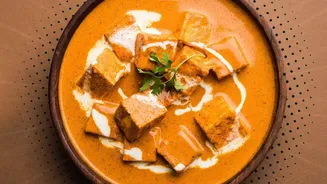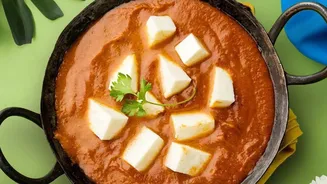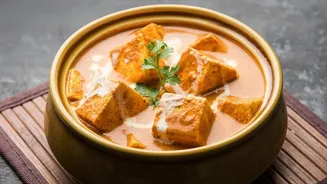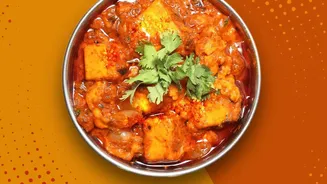



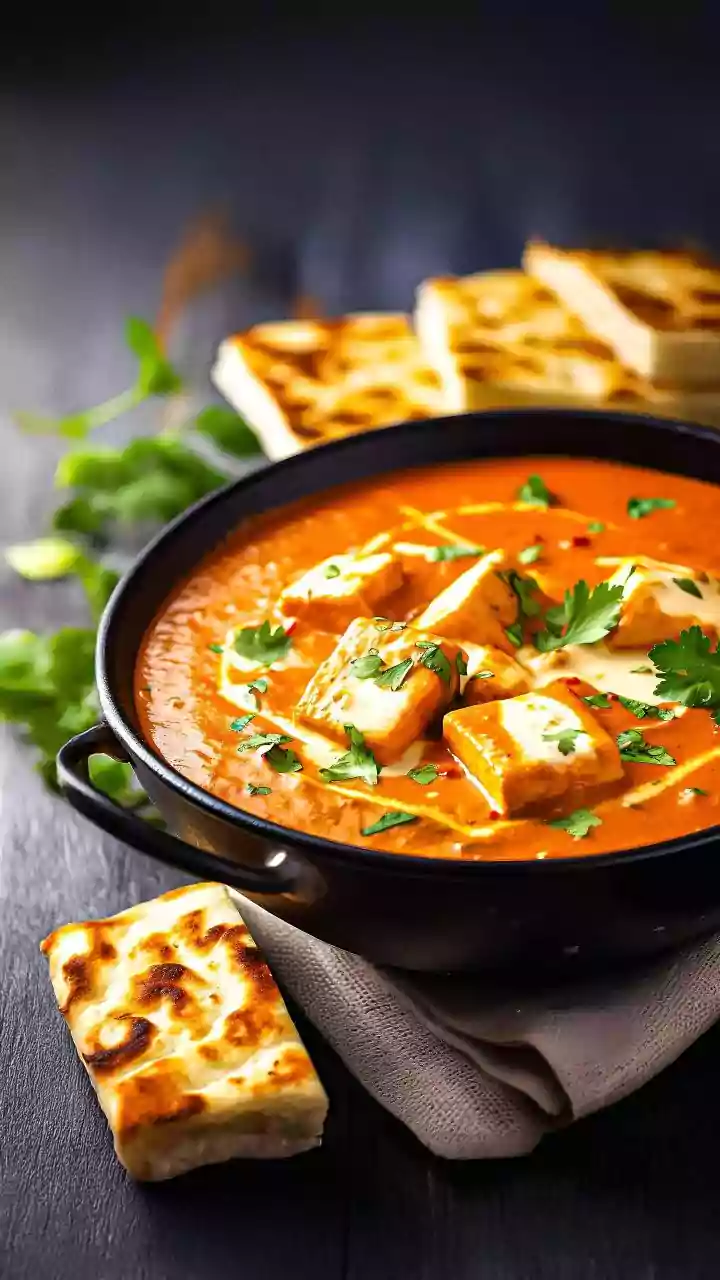
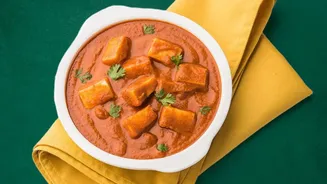
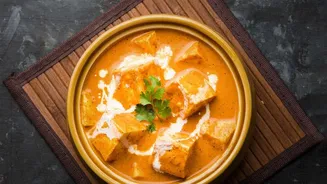
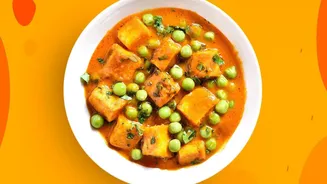
The Golden Rule: Always Soak Your Paneer
The single most important step that separates amateur from professional results is hydration. Store-bought paneer often becomes dense and dry from refrigeration. Soaking paneer cubes in warm, lightly salted water for 15 to 20 minutes before cooking works
wonders. This simple act rehydrates the cheese, making it noticeably softer and more absorbent. The paneer acts like a sponge, and this pre-soak ensures it will later soak up your gravy's flavours instead of resisting them. If you're using frozen paneer, this step is non-negotiable; thaw it gently in warm water to restore its texture. Don't use boiling water or soak it for too long, as this can make it too delicate and cause it to break apart during cooking.
Rethink How You Fry
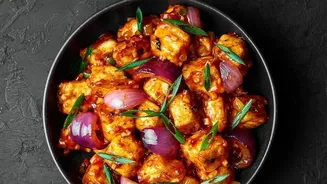
Many home cooks either skip frying or overdo it, both of which are mistakes. A quick pan-sear creates a delicious textural contrast—a light, golden crust giving way to a soft interior. The key is confident, high heat for a short time. Get your pan properly hot before adding oil or ghee. Lay down your paneer cubes—which you've patted dry after soaking—and leave them alone. Don't stir or shake the pan. Let a crust form. After a minute or two, they will release from the pan easily, which is your cue to flip. Another minute on the other side, and they’re done. Prolonged frying, especially on a high flame, is what draws out moisture and makes paneer tough and rubbery. In fact, many restaurants that fry paneer will give it another quick soak in warm water after frying to guarantee softness.
Embrace the Magic of Marination
Paneer itself has a very mild, milky flavour. Marinating is a crucial step for infusing it with taste and moisture, a technique frequently used in restaurant kitchens. Even a simple 20-30 minute marinade can make a huge difference. A classic marinade involves thick yogurt (hung curd), ginger-garlic paste, and spices like turmeric, red chilli powder, and garam masala. The yogurt not only carries flavour but also tenderizes the cheese. For a milder, richer flavour, a 'malai' marinade with fresh cream, cashew paste, and gentle spices like black pepper and cardamom works beautifully. The key is to ensure the marinade coats the paneer well without being too watery.
Timing Is Everything in the Gravy
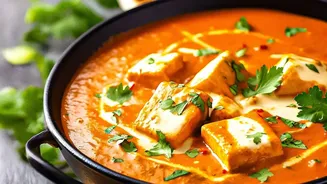
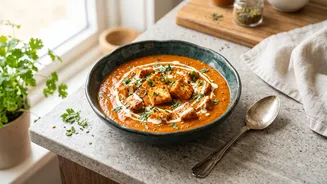
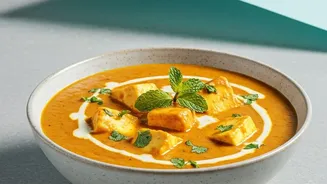
Perhaps the most common error is adding paneer to the gravy too early. Paneer's protein structure is delicate and seizes up when exposed to prolonged heat, forcing out moisture and turning it tough. Restaurants almost always cook their gravies completely first. The paneer—whether raw, soaked, or fried—is added right at the end of the cooking process. Allow it to simmer gently on a low flame for just a few minutes, typically no more than five to seven, just enough to warm it through and let it absorb the surrounding flavours. Never boil paneer in the gravy. Turning off the heat and letting the dish rest for a few minutes allows the paneer to relax into the sauce, resulting in that perfect, melt-in-your-mouth texture.