




How Hydrogen Power Works
At its heart, a hydrogen train is an electric train with its own power plant. Instead of drawing electricity from overhead cables, it uses fuel cells onboard. In these cells, a simple electrochemical reaction combines hydrogen, stored in high-pressure
tanks, with oxygen taken from the air. This process generates electricity to power the motors, with the only byproducts being heat and pure water vapour. This makes them a zero-emission alternative to the diesel engines that currently operate on many of these lines, eliminating noise and harmful pollutants entirely.
The 'Hydrogen for Heritage' Initiative
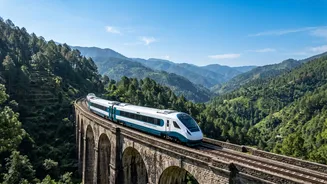
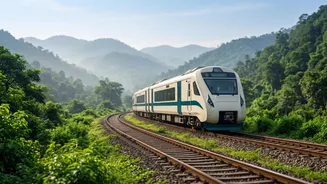
Indian Railways has launched a specific programme called ‘Hydrogen for Heritage’ to pioneer this technology. The ambitious plan aims to run 35 hydrogen-powered trains on its most iconic and ecologically sensitive routes. These include the world-renowned narrow-gauge lines like the Kalka-Shimla Railway, the Darjeeling Himalayan Railway, and the Nilgiri Mountain Railway. The primary motivation is to decarbonise these routes without compromising their aesthetic and natural beauty. Installing conventional electric poles and overhead wires would be difficult on the challenging terrain and would permanently alter the pristine landscapes these heritage lines are famous for.
A Symbol of Preservation and Progress
Choosing heritage routes as the first adopters of this futuristic technology is a powerful symbolic act. It reframes the conversation around preservation. Instead of seeing heritage as something static to be frozen in time, this initiative treats it as a living entity that can evolve sustainably. It’s a statement that progress doesn’t have to erase the past. This project aligns with India’s larger national goals, including Indian Railways' target to become a net-zero carbon emitter by 2030 and the country's broader commitment to a green energy transition. By retrofitting existing coaches, as demonstrated in a pilot project, the initiative also champions the 'Make in India' philosophy, developing indigenous solutions for a global challenge.
From Pilot Project to Public Transport
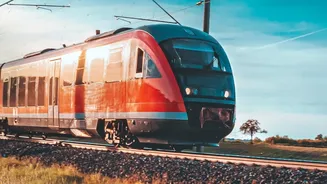
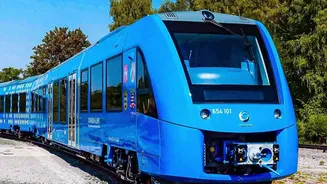
The first real-world test for this vision began in July 2026, with the launch of India's first hydrogen-powered train on the 89-kilometre Jind-Sonipat section in Haryana. This 10-coach train, a retrofitted Diesel Electric Multiple Unit (DEMU), serves as a technology demonstrator, providing invaluable data on performance, safety, and operational viability under Indian conditions. The experience gained from this pilot is intended to be directly applied to the more complex rollout across the heritage railways. The successful operation of the Jind-Sonipat train is a crucial engineering milestone, proving the core technology is viable for regular service.
Significant Hurdles on the Track Ahead
Despite the promise, the journey towards a hydrogen-powered heritage railway is filled with challenges. The most significant is cost. Green hydrogen, produced using renewable energy, is currently far more expensive than diesel. Furthermore, building the necessary infrastructure for hydrogen production, storage, and refuelling from scratch across remote, mountainous locations is a massive logistical and financial undertaking. There are also questions about overall energy efficiency compared to direct electrification. The initial two months of the Jind-Sonipat pilot have also revealed a more fundamental issue: a high-tech train cannot create demand by itself. With very low passenger numbers reported, railways officials are already considering extending the service to Delhi to connect with a larger commuter base, highlighting the need to match technology with practical transport needs.