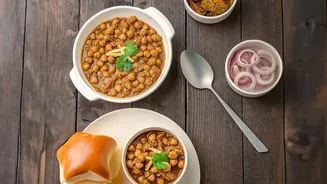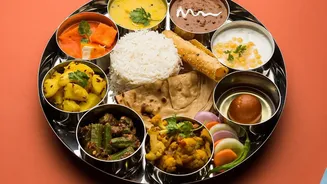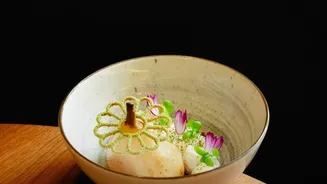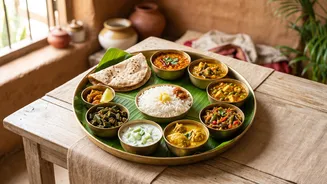




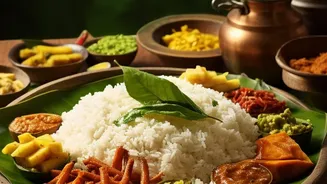
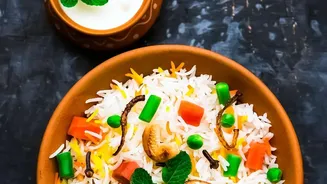

Not long ago, dining out in a big city meant a predictable menu. Now, a digital revolution is changing what we eat. Culinary documentaries and online shows are taking us on a delicious journey, making hyperlocal food the new star of the urban table.
The Digital Dastarkhwan
The
first wave began quietly. Shows like 'Raja, Rasoi Aur Anya Kahaniyaan' moved from television to streaming platforms like Netflix and Prime Video, finding a new, younger audience. These documentary series went beyond recipes, delving into the history and culture behind royal cuisines and forgotten dishes. They transformed food from a mere meal into a story, exploring how geography and local traditions shaped what appeared on the plate. This narrative-driven approach captivated urban viewers, who were suddenly exposed to the culinary secrets of regions like Rampur, Kashmir, and Mangalore without leaving their homes. The digital space became a 'dastarkhwan'—a ceremonial spread—offering a taste of India’s immense diversity.
From Streaming to Seating
This digital curiosity quickly translated into real-world demand. Urban diners, tired of the same butter chicken and paneer tikka, began seeking the authentic flavours they saw on screen. Restaurants in metro cities responded. Chefs started curating menus that celebrated regional specificity, moving beyond generic 'Indian' fare. Suddenly, items like Naga smoked pork, Odia pitha, and Konkani sol kadhi started appearing on menus in Delhi, Mumbai, and Bengaluru. This wasn't just about adding new dishes; it was a strategic shift. Restaurants focusing on specialised regional menus saw their customer base grow significantly faster than those sticking to old favourites. The dish that was the highlight of a docuseries last week could very well be the bestseller at a trendy city restaurant this week.
The Rise of the Food Influencer
Alongside high-production documentaries, a more democratic movement was brewing on social media. Platforms like YouTube and Instagram empowered a new generation of storytellers: food bloggers and home cooks. These creators broke down complex, traditional recipes into easy-to-follow videos. They made dishes like Bihari litti chokha or Himachali siddu feel approachable to the novice cook. Their content felt authentic and personal, whether it was a grandmother sharing her secret biryani recipe or a young creator experimenting with regional millets. This user-generated content complemented the polished documentaries, creating a comprehensive digital ecosystem for regional Indian food that catered to both passive viewers and active home cooks.
A New National Palate
The cumulative effect of this media explosion is the creation of a new, more inclusive national palate. For decades, Indian food in the popular imagination was limited to a few North Indian staples. Now, the spotlight is being shared. The unique fermentation techniques of the Northeast and the coconut-based gravies of Kerala are gaining the recognition they deserve. This shift is also driving nostalgia, as people who have moved to cities for work can now find tastes of home, whether it's through a specialised cloud kitchen delivering Andhra-style meals or a food blogger demonstrating a perfect Goan seafood curry. It is a process of rediscovery, where urban India is finally exploring the full extent of its own culinary heritage.