




The Problem with Popular Spots
The arrival of the monsoon transforms the Sahyadri mountains into a lush, green paradise. Unfortunately, everyone knows it. Popular destinations like Lonavala, Khandala, and Mahabaleshwar become choked with traffic and tourists, a phenomenon many now call
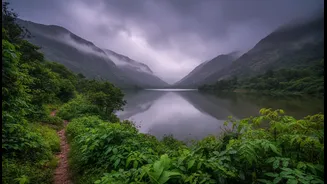
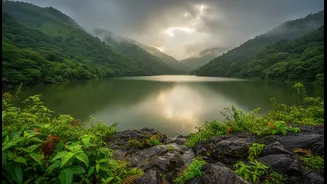
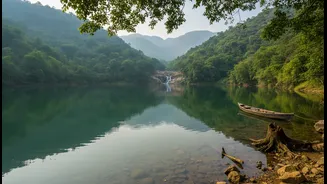
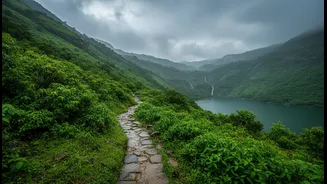
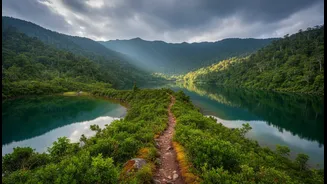
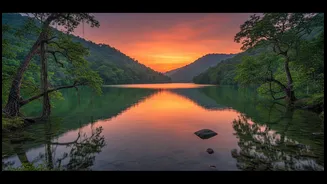
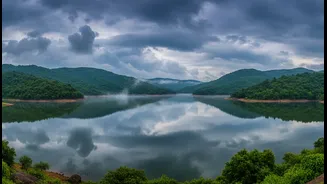
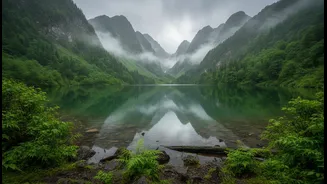
'overtourism'. The very peace and quiet that city dwellers seek is often lost in a sea of selfie sticks and overflowing hotels. The answer isn't to stay home, but to venture a little further off the beaten path. Tucked away in these same hills are dozens of trekking routes that lead to pristine lakes and reservoirs, offering a far more immersive and tranquil experience. These trails reward the willing with solitude, untouched nature, and the true magic of a Maharashtra monsoon.
Devkund Waterfall: The God's Bathtub
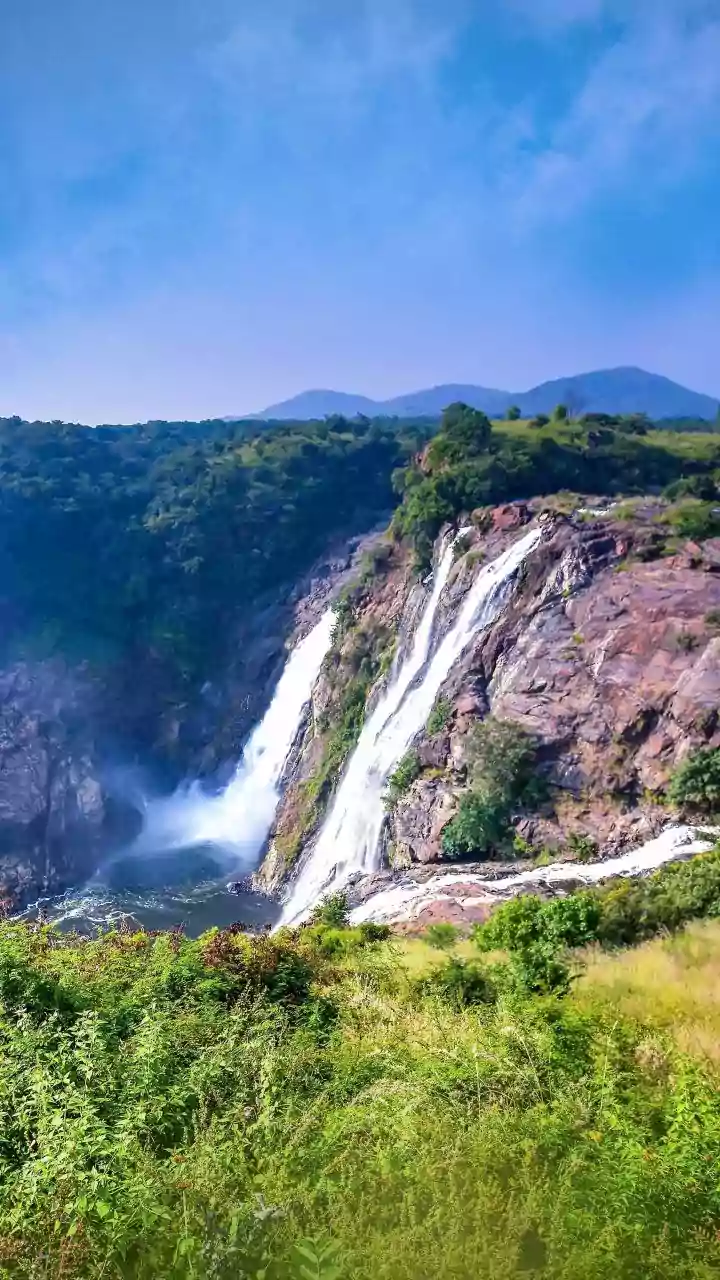
While the name says waterfall, the destination is a breathtaking plunge pool that feels like a secret lake. Hidden deep within the forests near the Bhira Dam, the trek to Devkund is an adventure in itself. The trail, roughly 5-6 km one way, meanders through dense woods and requires crossing several streams, which are part of the monsoon charm. The reward for your 2-3 hour hike is a stunning, crystal-clear pool of turquoise water fed by a powerful cascade. Rated easy to moderate, it's manageable for most beginners with a decent fitness level. However, due to its popularity, visiting on a weekday is advised to truly capture that sense of pristine escape. Local authorities often restrict access during periods of heavy rain for safety, so always check conditions before you go.
Bhandardara: The Queen of Lakes
Bhandardara is a classic destination that's vast enough to absorb visitors without feeling crowded. Centered around the sprawling Arthur Lake, formed by the Wilson Dam, this region is a hotspot of natural beauty. During the monsoon, the dam's sluice gates open to create the spectacular Umbrella Falls. The area offers numerous trekking opportunities for all levels. You can take a gentle walk along the lake's edge or embark on more challenging ascents to nearby forts like Ratangad and Alang-Kulang, which offer jaw-dropping views of the lake and surrounding peaks. It is also the base for the trek to Kalsubai, Maharashtra's highest peak. The sheer scale of the landscape means you can always find a quiet corner to enjoy the rain-washed scenery.
Andharban: The Dark Forest Descent
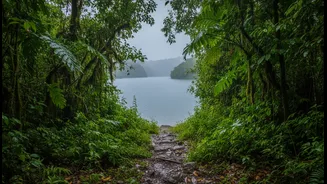
Meaning 'dark forest' in Marathi, Andharban offers one of the most unique monsoon trekking experiences. Unlike most treks that involve a steep climb, this is a 13 km gradual descent through a thick, enchanting jungle. The trail starts high up in the Tamhini Ghat and winds its way down towards the backwaters of the Bhira Dam. Throughout the journey, you are accompanied by the sounds of cascading waterfalls and gurgling streams. The dense canopy keeps the light dim, creating a mystical atmosphere that’s amplified by the monsoon mist. This trek is less about a single lake destination and more about being immersed in a water-world of forests and rivers, ending with serene views of the Kundalika Valley and the dam's reservoir.
Kothaligad (Peth): The Fort with a View
For those who love a mix of history and nature, the Kothaligad trek is a perfect choice. This small, funnel-shaped fort near Karjat primarily served as a watchtower. The trek is considered easy and takes about two to three hours to reach the top. The trail takes you through charming hamlets and lush fields before a final, thrilling climb up a staircase carved inside the rock pinnacle itself. From the summit, you get panoramic views of the surrounding Sahyadri ranges and, crucially, the backwaters of a nearby dam. The caves at the base of the pinnacle provide a perfect, sheltered spot to rest and soak in the misty, rain-swept landscape, feeling a world away from any city.
Responsible Monsoon Trekking
Escaping the crowds comes with a responsibility to protect these pristine places. Always trek with a local guide, especially on less-marked trails or during heavy rains. Carry back everything you take with you, including food wrappers and plastic bottles, to leave no trace. Wear appropriate footwear with good grip, as trails can be slippery and muddy. Pack a waterproof bag for your electronics, a light raincoat, and some high-energy snacks. By being a prepared and responsible trekker, you not only ensure your own safety but also help preserve the very beauty you came to experience.