




The K-Drama Dinner Bell
The initial spark wasn't a food critic's review or a celebrity chef's endorsement. It was the subtle, persistent sizzle of a pan in a K-drama. For years, Indian audiences have been captivated by Korean television, and with it came an intimate look into
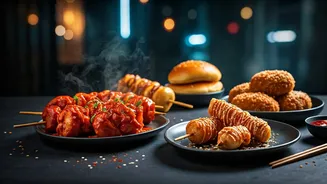
its culture—most potently, its food. Characters weren't just eating; they were slurping ramyeon straight from the pot on a stressful night, sharing skewers of odeng (fish cake) with friends in the cold, and devouring cheesy corndogs on a date. This visual feast created a powerful, subconscious craving. Viewers didn't just want to watch the story; they wanted to taste it. This desire, born on screen, laid the groundwork for a real-world culinary revolution, turning passive viewers into active, curious foodies.
From Niche Cafes to Main Street
The first Korean restaurants in major Indian metros were often hidden gems, catering primarily to the expatriate community and a handful of adventurous locals. The menus were extensive, sometimes intimidating, and street food was just a small section, if present at all. The real shift began when entrepreneurs recognised the specific demand for casual, snackable Korean fare. Small, dedicated kiosks and cafes started popping up, focusing exclusively on street food hits. They simplified the offerings, focusing on crowd-pleasers like tteokbokki and gimbap. This move from fine dining to fast-casual made the cuisine more accessible, both in price and in spirit. It was no longer a formal, sit-down commitment but a quick, satisfying bite, perfectly aligning with the pace of modern urban life in India.
The Viral Cheese Pull
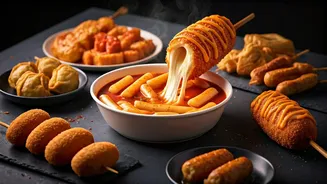
If K-dramas lit the match, social media poured gasoline on the fire. The visual nature of Korean street food is tailor-made for platforms like Instagram and YouTube. The dramatic cheese pull of a Gamja-hotdog (potato corn dog), the vibrant red of a simmering tteokbokki bowl, and the neat, colourful cross-section of a gimbap roll are all incredibly 'Reel-able'. Food bloggers and influencers quickly caught on, and a viral loop was created: a video of a cheesy corn dog would get millions of views, driving footfall to the stall that sold it, which in turn would inspire more people to post their own videos. This digital word-of-mouth didn't just publicise existing spots; it created a demand that prompted new businesses to open across cities like Delhi, Bengaluru, Mumbai, and even smaller towns.
Decoding the Menu
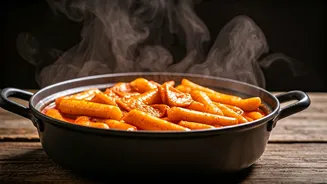
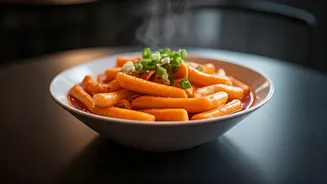
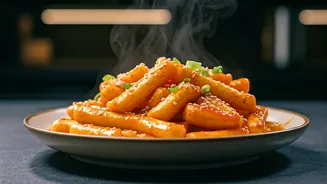
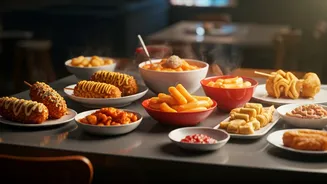
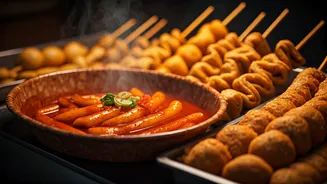
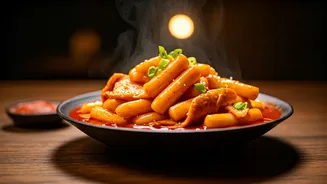
So what are the dishes leading this charge? The undisputed king is **Tteokbokki**, chewy rice cakes swimming in a sweet and spicy gochujang-based sauce, often with fish cakes and a boiled egg. It's the ultimate Korean comfort food. Then there's the **Korean Corn Dog**, a delightful upgrade on the classic, coated in batter, deep-fried, and often rolled in anything from potato cubes to crispy noodle bits before being drizzled with ketchup and mustard. **Gimbap**, often mistaken for sushi, is a lighter, more savoury roll of rice, seasoned vegetables, and meat or tofu wrapped in seaweed, making it a perfect on-the-go meal. Finally, sweet treats like **Hotteok** (a cinnamon-sugar-filled pancake) and **Bungeo-ppang** (a fish-shaped pastry with red bean filling) are rounding out the experience, offering a complete street food journey.
A Permanent Place at the Table
The surest sign that Korean street food is more than a fleeting trend is its integration into our home kitchens. Gochujang and gochugaru are no longer specialty items requiring a trip to a specific store; they are available on major online grocery platforms. Ready-to-cook tteokbokki kits sit alongside packets of instant pasta, and frozen Korean corn dogs are becoming a freezer staple. This transition from restaurant treat to home-cooked meal signifies a deeper level of acceptance. It's become a go-to choice for a comforting weeknight dinner or a fun weekend snack. The flavours—that unique blend of spicy, sweet, and savoury—have found a permanent, happy home in the Indian palate.