





The Glow That Dims Our Wellbeing
For most of us living in Mumbai, Delhi, Bengaluru, or any of India’s bustling metros, the night sky is a forgotten spectacle. A handful of stars, perhaps a planet, are all we can typically see. This is the effect of light pollution, the pervasive glow
from streetlights, buildings, and advertisements that washes out the cosmos. While seemingly harmless, a growing body of research suggests this constant artificial light has subtle but significant impacts on our health. Studies have linked it to disrupted sleep patterns, increased stress, and even a higher risk of mood alterations. We’ve traded the celestial canopy for a synthetic twilight, and our bodies and minds are paying the price.
What Exactly Is a Dark-Sky Vacation?
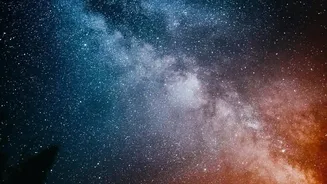
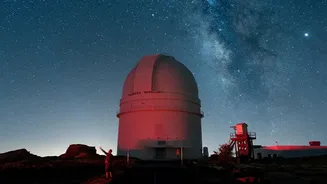
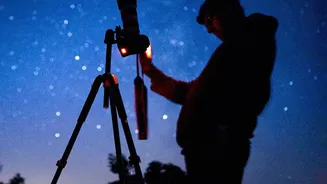
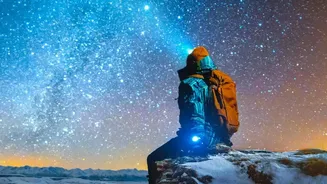
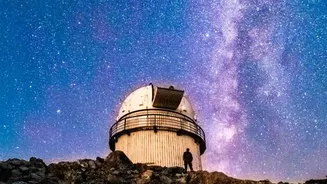
A dark-sky vacation, also known as astrotourism, is the simple act of travelling to a location with minimal light pollution to experience a genuinely dark night sky. It’s a purposeful journey away from the urban glow to reconnect with the universe. These destinations aren't just remote; many are actively preserved for their pristine skies. In India, this movement is gaining ground, with official designations aimed at protecting these natural wonders. The goal is to witness the night as our ancestors did: a breathtaking canvas of thousands of stars, the Milky Way galaxy arching overhead, and the profound quiet of the natural world.
The Healing Power of Awe
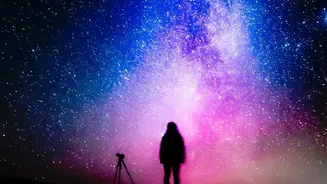
The magic of a dark-sky vacation lies in a powerful emotion: awe. Psychologists define awe as the feeling we get when confronted by something vast that challenges our understanding of the world. Staring into the cosmic infinity does exactly that. Research shows that experiencing awe has tangible benefits. It can reduce stress, decrease inflammation, and foster a sense of connection to something larger than oneself. This feeling diminishes the ego, making our own worries and deadlines seem smaller and more manageable. In a state of awe, the mind’s constant chatter quiets down, creating a state of natural mindfulness.
A Digital Detox for a Stressed Mind
For the typical metro Indian worker juggling deadlines, traffic, and endless notifications, a dark-sky trip offers the ultimate digital detox. In these remote locations, connectivity is often limited, forcing a much-needed break from screens. Instead of scrolling, you’re stargazing. This shift in focus allows the brain to reset. It’s a form of meditation where the object of focus is the cosmos itself. This practice encourages you to be present in the moment, observing the slow, silent procession of the stars. It provides a profound sense of perspective, reminding us of a world that exists beyond our immediate professional and personal concerns.
Where to Find India's Starriest Skies
India is home to several world-class destinations for stargazing. The undisputed crown jewel is the Hanle Dark Sky Reserve in Ladakh, the country's first officially designated reserve, situated in a high-altitude cold desert with exceptionally clear skies. Local villagers have been trained as astronomy guides, offering tours with telescopes. Another prime location is Spiti Valley in Himachal Pradesh, which offers Bortle Class 2 skies (a scientific measure of darkness) and stunning landscapes. The Rann of Kutch in Gujarat, with its vast, flat salt desert, provides an unobstructed 360-degree view of the heavens. For those in central and southern India, Pench Tiger Reserve in Maharashtra has been named an official Dark Sky Park, blending wildlife with astronomy, while destinations like Coorg and the hill stations of the Western Ghats also offer clearer skies than the cities.