






The crisp winter air is a welcome change across India, but for the green companions on our balconies, it signals a time for a major shift in care. Cooler temperatures and changing sunlight mean our gardening routines must adapt to keep plants healthy.
Rethink Your Watering Can's Schedule
The most common mistake gardeners make in winter is overwatering. With lower temperatures and reduced evaporation, potting soil stays moist for much longer. Continuing a summer watering schedule can lead to waterlogged soil, depriving roots of oxygen and creating a perfect environment for root rot. Instead of watering on a fixed schedule, adopt the 'touch test'. Before watering, push your finger about an inch or two into the soil. If it feels moist, wait another day or two before checking again. When you do water, do so in the morning. This allows any excess moisture on the foliage and soil surface to evaporate during the day, preventing roots from sitting in cold, wet soil overnight.
Chase the Changing Winter Sunlight
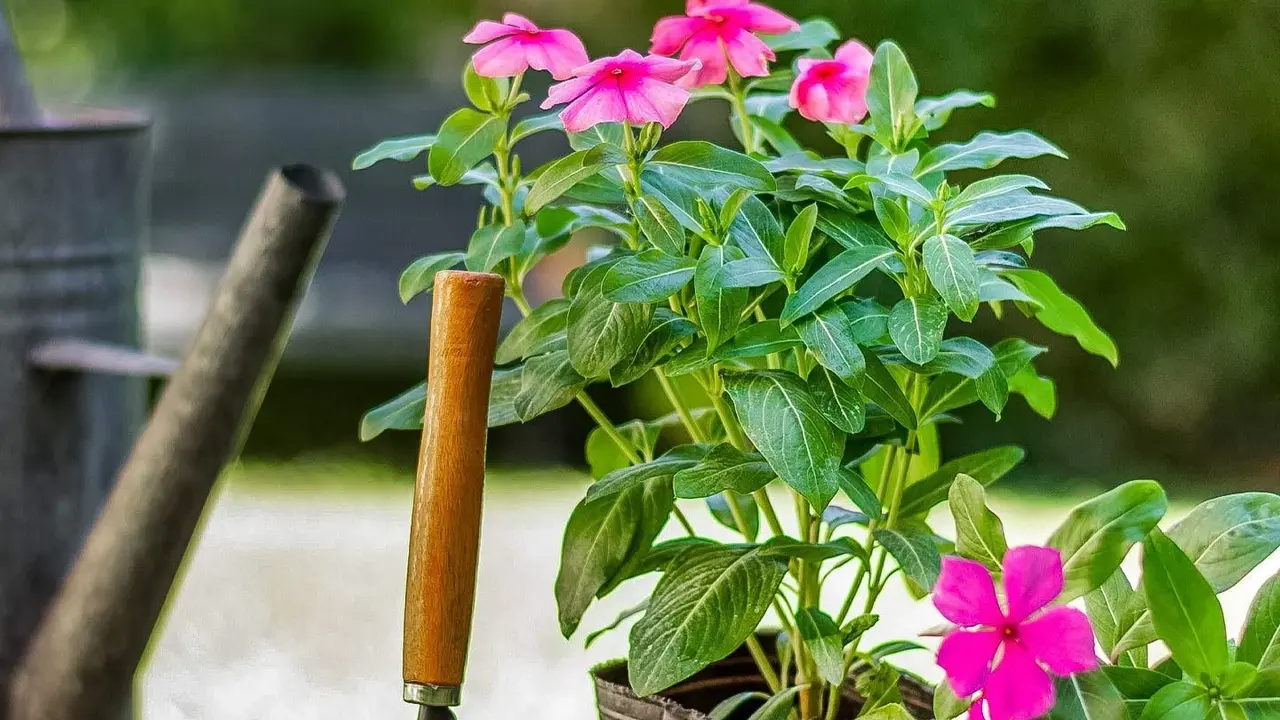
As the Northern Hemisphere tilts away from the sun, its path across the sky becomes lower. A balcony spot that was bathed in sunlight during the summer might now be in shade for most of the day due to longer shadows from railings or nearby buildings. Take time to observe where the sunlight falls on your balcony throughout the day. Sun-loving plants like petunias, marigolds, and most vegetables will need to be moved to the brightest possible location to thrive. These plants generally require at least five to six hours of direct sunlight to produce vibrant flowers and a healthy harvest. You can also clean dusty leaves with a damp cloth to maximize their ability to absorb the limited available light.
Adjusting Fertiliser and Feeding Habits
Most plants enter a state of slower growth or dormancy during the cooler months. In this resting state, they use far fewer nutrients. Fertilising dormant plants can do more harm than good, leading to a build-up of mineral salts in the soil that can damage the roots. For most ornamental and foliage plants, it's best to pause feeding entirely until spring. The exception is for plants that are actively growing or flowering in winter, such as seasonal annuals like pansies and calendulas, or winter vegetables. For these, a light feed with a gentle, slow-release organic option like vermicompost is sufficient to support their growth without overwhelming them.
A Shield Against the Northern Chill
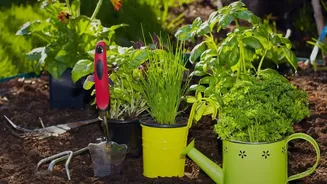
While winters are mild in much of South and Coastal India, the northern plains can experience significant temperature drops, cold winds, and even frost. Balcony plants in these regions need extra protection. Grouping pots together helps create a warmer microclimate, sheltering the plants in the centre. For particularly tender tropical plants, consider moving them against a wall, which absorbs heat during the day and radiates it at night. On nights when a sharp drop in temperature is expected, you can cover sensitive plants with a breathable garden fleece or an old cotton sheet, removing it in the morning to allow for air circulation. Lifting pots off a cold concrete or tile floor onto stands or bricks can also protect roots from freezing.
Winter Pest and Disease Patrol
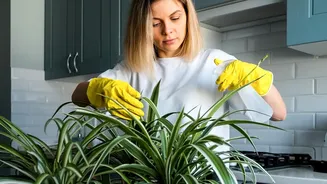
Don't assume pests take a holiday in winter. While some are less active, others can thrive. Weakened plants are more susceptible to attack. Regularly inspect your plants, paying close attention to the undersides of leaves. Aphids, mealybugs, and spider mites can still be a problem, especially on sheltered balconies or for plants brought indoors. Poor air circulation from crowding pots too closely can also encourage fungal issues. Preventative sprays with neem oil every couple of weeks can help deter common pests. If you spot an infestation, isolate the affected plant immediately to prevent it from spreading.