




The Body as a Balancing Act
Think of your body as a finely tuned kinetic chain. Each joint, from your ankles to your neck, is connected and affects the others. When you maintain proper posture, your skeleton bears the brunt of your body weight, and gravity's force is distributed
evenly and efficiently through this structure. Your muscles work to stabilize this alignment, not to fight against it. The knees, as major weight-bearing joints, are designed to function optimally within this balanced system, handling loads that can be several times your body weight during activities like walking or climbing stairs. Proper alignment ensures this force is channeled correctly through the bones and absorbed by the right muscles, protecting the delicate cartilage inside the joint.
How Poor Posture Overloads Your Knees
When your posture is off, this balanced system is compromised. Common habits like slouching, hunching forward, or an excessive forward tilt of the pelvis (anterior pelvic tilt) shift your body's center of gravity. This misalignment forces your body to compensate. For instance, a forward-leaning posture can place excessive weight on the front of your knees. Similarly, issues like flat feet or collapsed arches can cause the knees to rotate inward, placing abnormal stress on the inner part of the joint. Over time, this constant, uneven pressure wears down the cartilage, strains ligaments, and leads to muscle imbalances where some muscles become weak while others become overworked and tight. The knee essentially becomes a victim of problems happening elsewhere in the body.
Are You at Risk? A Quick Posture Check
You might not even realize your posture is contributing to knee strain. Some telltale signs suggest a connection. Do you often feel pressure in your knees after standing for long periods? Do your knees ache after a long day sitting at a desk? When standing, do you tend to shift your weight onto one leg? Look in a mirror: do your shoulders round forward, or does your pelvis seem to tilt forward, creating a pronounced curve in your lower back? These are all indicators that your alignment may be off, putting your knees at risk for conditions like patellofemoral pain (pain at the front of the knee) or even accelerating the onset of osteoarthritis.
A Blueprint for Better Alignment
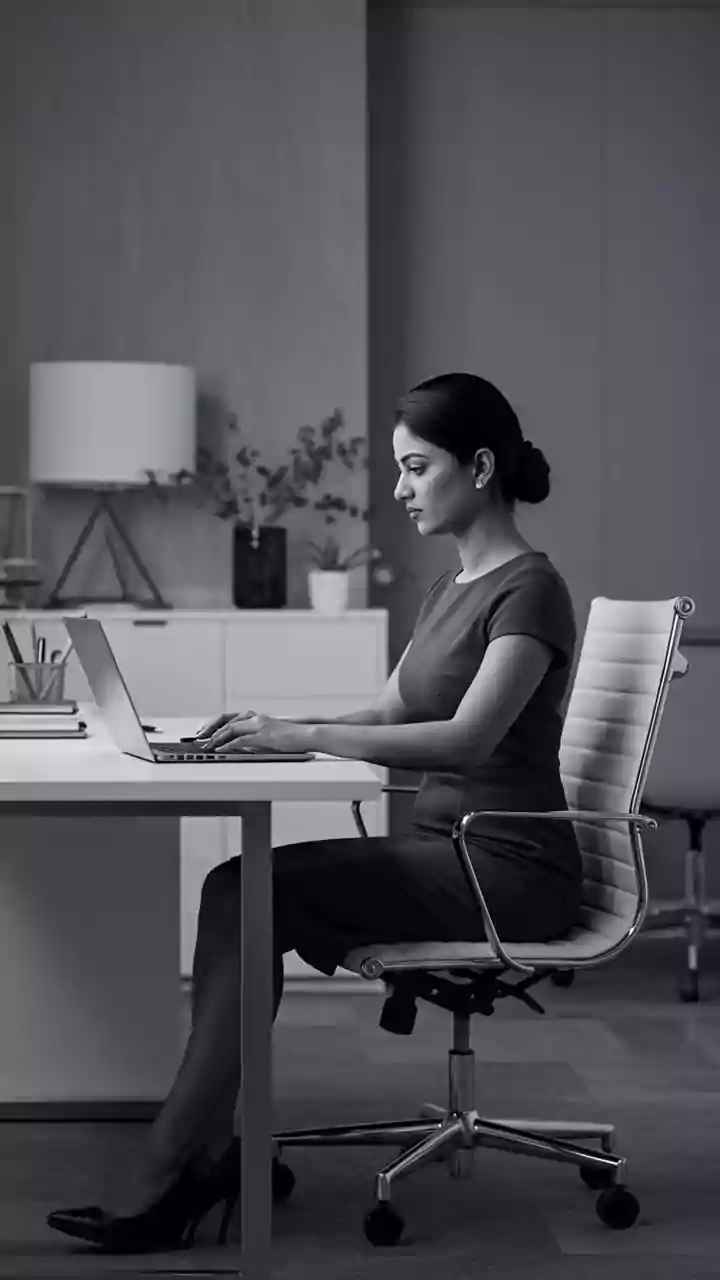
The good news is that you can take proactive steps to correct your posture and protect your knees. It starts with mindfulness. When standing, aim to distribute your weight evenly on both feet, keeping your shoulders back, abdomen tucked in, and your head level. Avoid locking your knees; keep a slight, soft bend in them. When sitting, especially for long hours, ensure your feet are flat on the floor with your knees at a 90-degree angle—your hips should be at or slightly higher than your knees. Keep your back against the chair for support and avoid crossing your legs for extended periods, as this can twist your hip and knee alignment. Taking short breaks every 30-60 minutes to stand and stretch can also make a significant difference.
Strengthening Your Support System
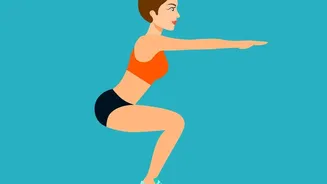
Correcting posture isn't just about conscious alignment; it's also about strengthening the muscles that hold you there. Weak core and hip muscles are often culprits in poor lower-body mechanics. Simple exercises can help build a stronger foundation. Straight-leg raises, where you lie on your back and lift one leg at a time, strengthen the quadriceps without putting pressure on the knee. Side leg raises and clamshell exercises target the hip abductor muscles, which are crucial for pelvic stability and preventing the knees from collapsing inward. Even wall sits, performed correctly by sliding down only to a 45-degree angle, can build thigh strength safely. A strong, stable core and hips mean less compensatory work for your knees.