



Know Your Batik: Handcrafted vs. Printed
The first step in choosing a long-lasting fabric is identifying authentic, handcrafted Batik. True Batik is made using one of two methods: 'tulis' (hand-drawn with a pen-like tool called a canting) or 'cap' (hand-stamped with a copper block). Both involve
applying hot wax to the fabric, which resists dye and creates the pattern. The easiest way to spot real Batik is to check the reverse side of the cloth. In a handmade piece, the design will be almost as vibrant on the back as it is on the front because the wax and dye penetrate the entire fabric. Machine-printed imitations will have a faded, much lighter pattern on the back. Look for small imperfections like slight variations in line thickness or tiny dots of dye; these are not flaws but signatures of the human hand at work.
The Markers of a Sustainable Fabric
Sustainability in Batik is rooted in its traditional production methods. True sustainable Batik uses natural base fibres like cotton or silk, which are biodegradable. The dyeing process relies on natural pigments derived from plants, roots, and minerals. Common sources include indigo for deep blues, teak leaves and mangrove bark for reddish-browns, and turmeric for yellow. These natural dyes have a lower environmental impact than the synthetic chemicals used in mass production. Furthermore, the traditional process is often done in small batches, which can use less water than industrial dyeing. In many artisan workshops, the wax used for the resist process is even collected and reused, minimising waste. Choosing Batik from producers who are transparent about using these eco-friendly practices supports both environmental conservation and the artisans themselves.
How to Judge Quality and Longevity
A high-quality Batik fabric feels substantial and durable. When shopping, pay attention to the base material. Premium Batik is typically made from high-quality cotton with a higher thread count, which contributes to its softness and strength. The fabric should feel soft but have some weight, indicating it will hold up over time. Another indicator of quality is the colour saturation. The dyes should be rich and evenly absorbed, not patchy. While machine prints are perfectly uniform, handcrafted Batik has a more organic feel, with subtle variations that make each piece unique. Well-made Batik is known for its durability, resulting in fabrics that can last for years and reduce the need for frequent replacement.
Styling Batik in the Modern Home
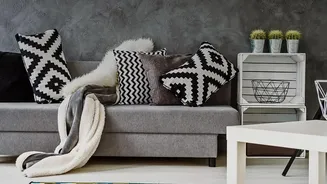
Incorporating Batik into your home can be done in both bold and subtle ways. For a major statement, consider upholstering an accent chair or creating a stunning headboard. The durability of Batik makes it suitable for such uses. For smaller touches, start with accent pieces. Throw cushions with different patterns can add visual interest to a sofa or bed. A beautifully patterned piece of Batik can be framed as wall art, creating a unique focal point. In the dining room, a Batik table runner adds colour and texture instantly. You can even use the fabric to create custom curtains or cover the back wall of a closet for an unexpected pop of pattern and colour.
Caring For Your Fabric to Ensure It Lasts
Proper care is essential to preserve the beauty and lifespan of your handcrafted Batik. Always hand wash Batik in cold water with a mild, gentle soap; baby shampoo is a good option. Avoid harsh detergents, bleach, and washing machines, which can damage the fibres and cause the natural dyes to fade. Never wring or twist the fabric. Instead, gently press out excess water and either lay it flat or hang it to dry in a shaded area. Direct sunlight will cause the colours to fade over time. If you need to iron it, use a low heat setting and iron the fabric on its reverse side, or place a cloth on top to protect the pattern.