






The Staple Under Pressure
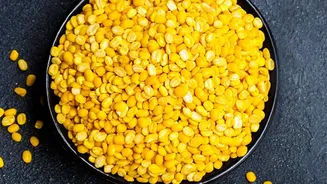
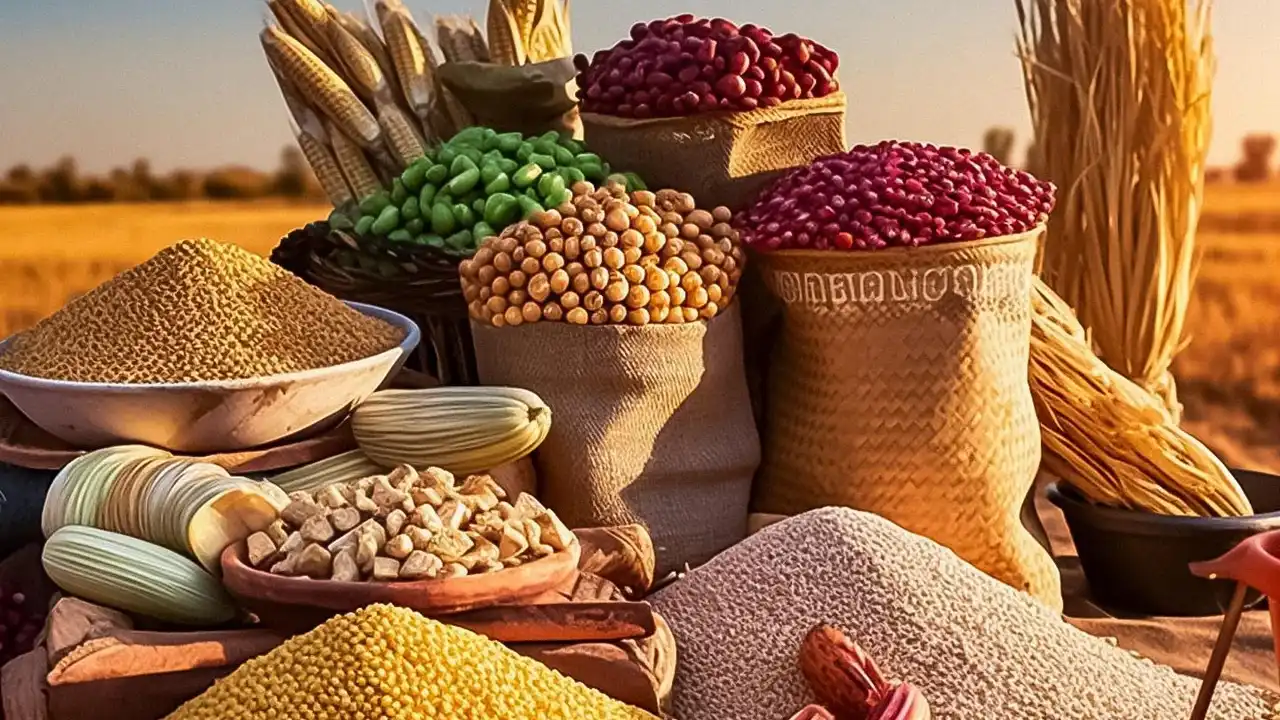
Across the country, the price of essential pulses, a primary source of protein for millions, has been on an upward trend. Pulses like chana, moong, and tur have seen prices increase by as much as 10% in the last month alone, with a sharper spike in recent
weeks. This rise is attributed to a combination of factors, primarily concerns over this year's harvest and rising demand, especially with the festive season approaching. As households and food processors begin to stock up, the strain on the existing supply is becoming more apparent, translating into higher costs for the end consumer.
An Uneven Monsoon and Production Woes
The root of the supply concern lies in this year's weather. A patchy and uneven monsoon has raised serious questions about domestic output. Several key pulse-growing states have received significantly less rainfall than average, with some regions facing deficiencies of up to 30%. Since most pulses in India are grown in rain-fed areas, production is highly sensitive to such moisture shortages. This has led the government to anticipate a shortfall in domestic production, prompting a search for ways to augment supply and preempt a sharper price surge. The government had set a lower foodgrain production target for the year, factoring in these weather risks.
The Import Balancing Act
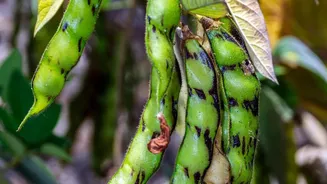
To counter the anticipated shortfall and rising prices, the government is actively considering reducing import tariffs on a range of pulses. The focus is currently on red lentils and yellow peas, which face import taxes of 10% and 30%, respectively. By lowering these duties, the government aims to make imports cheaper, thereby increasing domestic availability and cooling down market prices. However, this is a delicate balancing act. To protect local farmers and encourage planting for the upcoming rabi season, chickpeas (chana) might be excluded from these tariff cuts. This strategy is designed to provide relief to consumers without discouraging domestic production. The government has already allowed duty-free imports of pigeon peas (tur) and black gram (urad) through March 2027 to manage supplies of those specific pulses.
The Farmer and the Consumer
This policy decision highlights a perennial challenge for Indian policymakers: balancing the interests of farmers with those of consumers. While higher market prices can lead to better incomes for farmers, they also fuel food inflation, which disproportionately affects the poor. Conversely, flooding the market with cheap imports can depress domestic prices, harming farmer livelihoods. The government's targeted approach—lowering duties on some pulses while protecting others—is an attempt to navigate this complex terrain. The goal is to ensure price stability for consumers while still providing an incentive for farmers to plant pulses in the next cycle, a crucial step for long-term food security.
Beyond a Short-Term Fix
While imports serve as an essential tool for immediate price management, the recurring cycle of shortages and price volatility points to deeper, long-term challenges. India is the world's largest producer, consumer, and importer of pulses, with imports accounting for a significant portion of its consumption. In 2024-25, imports made up about 23% of the country's pulse consumption. Achieving greater self-reliance requires a sustained focus on improving crop yields, investing in better storage and logistics infrastructure, and creating a stable and predictable policy environment for farmers. These long-term strategies are critical to ensuring a stable supply of this vital protein source for a growing population.