



Beyond the Neighbourhood Halwai
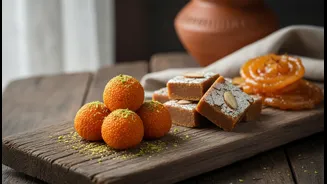
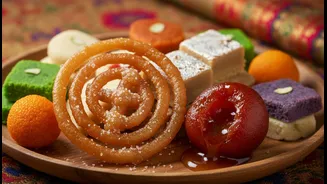
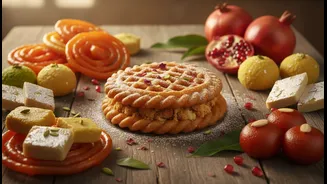
For generations, the neighbourhood halwai has been the custodian of sweetness, their glass counters filled with familiar favourites like glistening jalebis and perfectly stacked barfis. These sweets are carriers of emotion and nostalgia, marking every
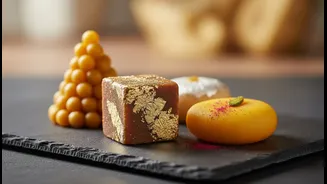
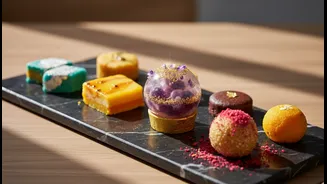
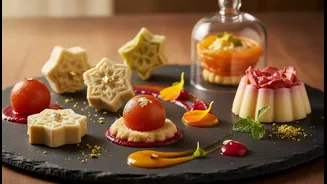
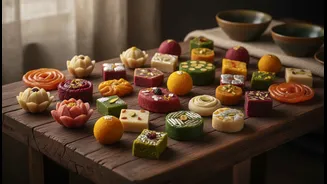
festival, wedding, and small personal victory. However, a new movement is reimagining this cultural staple. A new generation of chefs and entrepreneurs is looking at mithai not just as a sweet treat, but as a medium for storytelling and artistry. They are creating a fresh, contemporary narrative for Indian sweets, transforming them into artisanal, gourmet experiences that appeal to a modern palate while honouring their deep-rooted heritage. This evolution is shifting mithai from a local, festive treat into a year-round luxury indulgence.
The Architects of a New Tradition
Brands like Bombay Sweet Shop, Arq, and Khoya are at the forefront of this change. Started by the acclaimed team behind some of Mumbai's most innovative restaurants, Bombay Sweet Shop was founded on a philosophy of "re-creation." They delved into traditional recipes from across the country, not to replicate them, but to use them as a springboard for something new. The result is a playful and imaginative menu with items like a Kaapi Paak that blends Mysore Pak with coffee flavours or a Drunken Motichoor Laddoo spiked with rum. Similarly, Delhi-based Arq, founded by chefs Neha Lakhani and Ashay Dhopatkar, aims to give Indian mithai a French-inspired finesse, focusing on texture, balanced sweetness, and exquisite presentation. These culinary innovators are marrying age-old techniques with global influences, creating a dialogue between the past and the present.
A Taste of Memory and Nostalgia
A key ingredient in this new mithai experience is memory. Chefs are tapping into a collective nostalgia, evoking the comforting flavours of childhood while presenting them in an entirely new context. The aroma of roasting besan or simmering milk has a powerful ability to transport us back in time, and these new creators are harnessing that power. Bombay Sweet Shop, for instance, finds design inspiration in old Irani cafés and train journeys, embedding these memories into their packaging and store interiors. The mission is not just to sell sweets, but to rekindle the 'magic of mithai' for a generation that may have drifted towards western confections. The goal is to make mithai feel both rooted and revolutionary, familiar enough to comfort and surprising enough to delight.
The Devotion to Craft
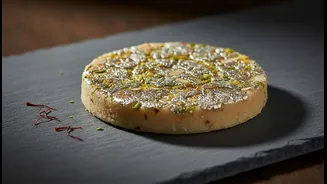
This movement is defined by a deep commitment to craft. Artisanal mithai is all about small-batch production, where each piece is meticulously handcrafted. There's a renewed focus on the purity of ingredients, with many brands sourcing high-quality, local, and even organic produce. Arq, for example, uses only organic ingredients and natural flavours, avoiding artificial additives. This dedication extends to technique, with chefs studying under traditional halwais to master the craft before adding their own innovative touches. Presentation has also become paramount. These are not sweets sold in bulk by weight; they are 'jewel-like' creations, thoughtfully packaged in beautifully designed, often reusable boxes, turning the act of gifting mithai into a statement of style.
More Than Just Sweetness
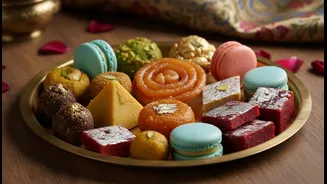
Ultimately, the new mithai experience is about expanding the definition of what an Indian sweet can be. It's about moving beyond an overwhelming sugary taste to explore a more complex and balanced flavour profile. Chefs are experimenting with savoury notes, infusing sweets with ingredients like coffee or lavender, and creating fusion desserts like rasmalai tres leches or gajar halwa tarts. There is also a growing awareness of health, with many brands offering options made with natural sweeteners like jaggery and dates, or even sugar-free and vegan varieties. This is not an attempt to replace the classics, but to build upon them, creating a wider, more inclusive world of Indian sweets where tradition and innovation can deliciously coexist.