




The Sugar and Hydration Paradox
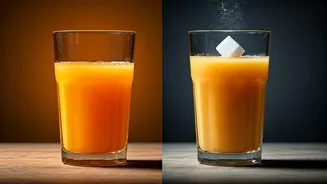
We associate sweet, cold drinks with refreshment. But when a beverage is high in sugar, it can trigger a counterintuitive process in your body. Your gut absorbs sugar into the bloodstream, increasing its concentration. To restore balance, your system
pulls water from other parts of your body and cells to dilute the sugar in your blood. This process, known as osmosis, means that a significant portion of the water you just drank is used to process the sugar, rather than hydrating your tissues. In essence, your body has to hydrate your blood before it can hydrate you. A very sugary drink can therefore be less hydrating than plain water, and in extreme cases, can even contribute to a net loss of hydration, leaving you thirstier than before.
Surprising Sugar Traps to Avoid
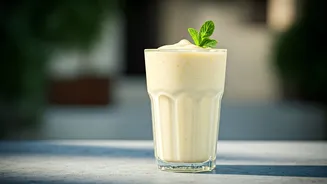
Many drinks we perceive as healthy or hydrating are major sources of hidden sugar. Being aware of these common culprits is the first step toward making better choices. * **Sports Drinks:** Unless you are a professional athlete engaged in intense, prolonged exercise, you likely don't need a sports drink. Marketed for their electrolytes, many popular brands contain 30-35 grams of sugar per bottle—equivalent to about 8 teaspoons. For casual sipping by the pool, that's just a sugary beverage that complicates hydration. * **Bottled Iced Teas:** Tea itself is a great hydrator, but the pre-packaged versions are often no better than fizzy drinks. A standard bottle of lemon or peach iced tea can easily pack over 40 grams of sugar. * **Fruit Juices and Smoothies:** While they offer vitamins, juices strip out the fruit's natural fibre. Without fibre to slow absorption, you get a concentrated dose of fructose that your body processes like any other sugar. Commercial smoothies can be even worse, with added yoghurts, syrups, and sweeteners. * **Vitamin-Enhanced Waters:** The name sounds impeccably healthy, but always check the label. Many of these drinks use sugar to create appealing flavours, sometimes containing up to 30 grams per bottle. You're getting some vitamins, but at a high sugary cost.
Smarter Sips for True Hydration
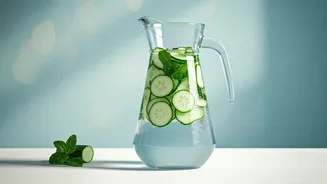
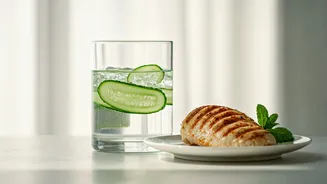
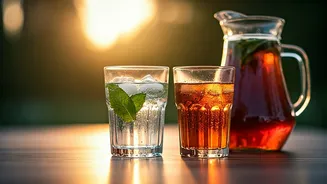
Staying hydrated doesn’t have to be boring. The goal is to choose drinks that quench your thirst without adding an unnecessary sugar load. Water is always the undisputed champion, but here are some excellent alternatives: * **Infused Water:** This is the easiest way to add flavour without sugar. Simply add slices of lemon, cucumber, orange, or a handful of mint leaves and berries to a pitcher of cold water. Let it sit for an hour to infuse. * **Unsweetened Iced Tea or Coffee:** Brew your own tea (black, green, or herbal) or coffee and chill it in the fridge. You control the ingredients, ensuring there are no added sugars. A splash of milk or a squeeze of lemon can enhance the flavour. * **Sparkling Water:** If you crave fizziness, plain sparkling water is a perfect zero-sugar, zero-calorie option. You can add a squeeze of fresh lime or lemon for a refreshing twist. * **Coconut Water (in moderation):** Unsweetened coconut water is a decent option as it contains natural electrolytes like potassium. However, it still contains natural sugars and calories, so it shouldn't replace water as your primary source of hydration.
How to Read the Label
Becoming a savvy consumer starts with a quick glance at the nutrition label. Don't just look at the calorie count; focus on the sugar content. Look for the “Added Sugars” line, which tells you how much sugar was put in during processing, separate from any naturally occurring sugars. For context, health authorities often recommend that an adult consume no more than 25-30 grams of added sugar per day. Many single-serving drinks can blow past that limit. Also, be wary of sugar's many aliases in the ingredients list, including high-fructose corn syrup, sucrose, dextrose, agave nectar, and cane juice.