



What Is the Chair-Stand Test?
The 30-second chair-stand test, or sit-to-stand test, is a simple yet effective way to measure the functional strength and endurance of your lower body. Used by physical therapists and doctors, it assesses the power in your legs, core, and glutes—the
muscles essential for everyday activities like climbing stairs, walking, and getting out of a car. Think of it less as a complex medical exam and more as a practical benchmark for your functional fitness. Research has shown that performance on this test is closely linked to mobility, balance, and the ability to maintain independence as you age. A low score can be an early indicator of an increased risk of falls, while a high score suggests a solid foundation of strength for an active life.
How to Perform the Test at Home
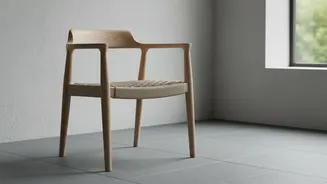
You can easily perform this test at home with just a chair and a timer. According to guidelines from health organizations like the CDC, here’s how to do it correctly for an accurate self-assessment. Choose a sturdy chair with a standard seat height of about 17 inches (44 cm) that doesn’t have armrests, and place it against a wall for stability. Sit in the middle of the chair with your feet flat on the floor, about shoulder-width apart. Cross your arms over your chest, with your hands on your opposite shoulders. Keep your back straight. When you’re ready, start a 30-second timer and begin standing up to a full standing position and then sitting back down completely. Count how many full repetitions you can complete in 30 seconds. If you are more than halfway up when the timer ends, you can count it as a full stand. It is crucial not to use your arms to push off your legs or the chair.
Understanding Your Score
Your score is a direct reflection of your lower-body strength relative to your age and gender. While benchmarks vary slightly, the CDC provides clear below-average scores that indicate a potential risk for falls. For men aged 60-64, a score below 14 is considered below average; for women in the same age group, it's below 12. These numbers decrease with age. For example, for those aged 70-74, a score under 12 for men and under 10 for women is a red flag. Scores within or above the average range (generally 12-19 for people in their 60s) suggest adequate functional strength. A score below these thresholds isn’t a reason to panic but rather a powerful signal. It provides a baseline, highlighting a key area for improvement to enhance your long-term health and reduce your fall risk.
Why Leg Strength Is a Pillar of Healthy Aging
Strong legs are fundamental to maintaining a high quality of life. The large muscles in your lower body are critical for balance, mobility, and overall independence. Weakness in these muscles, a condition that can be accelerated by the natural age-related loss of muscle mass known as sarcopenia, is a primary risk factor for falls and injuries. Beyond just movement, strong leg muscles also play a significant role in your metabolic health. They are major consumers of glucose, helping to regulate blood sugar. Studies have repeatedly shown a strong correlation between lower-body strength and longevity. One study noted that individuals with weaker quadriceps had a significantly higher risk of earlier death, even after accounting for other factors. Building and preserving leg strength is one of the most proactive steps you can take for a healthier, more active future.
Simple Ways to Improve Your Score
If your test result was a wake-up call, the good news is that it’s never too late to build strength. Improving your score involves targeting the key muscles used in the sit-to-stand motion. Incorporate these simple, effective exercises into your routine: 1. Chair Squats: Practice the exact motion of the test. Use a chair for support and focus on controlled movements, slowly sitting and standing to build strength and proper form. If it's difficult, start with a higher chair or add a cushion to make it easier. 2. Glute Bridges: Lie on your back with your knees bent and feet flat on the floor. Push through your heels to lift your hips toward the ceiling, squeezing your glutes. This strengthens your posterior chain, which is vital for the standing motion. 3. Step-Ups: Use a sturdy step or the bottom stair in your home. Step up with one foot, then the other, and step back down. This mimics stair climbing and strengthens the quads, hamstrings, and glutes. 4. Seated Leg Lifts: While seated, extend one leg straight out in front of you and hold for a few seconds before lowering it slowly. This isolates and strengthens the quadriceps muscles.