




A Full-Body Workout on Water
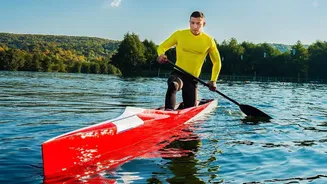
Stand-up paddleboarding is far more than just a leisurely way to enjoy a sunny day on the water; it is a comprehensive, full-body workout. The act of balancing on the board requires constant engagement from your core muscles—including your abs, obliques,
and lower back. Every paddle stroke is a coordinated effort, activating the muscles in your arms, shoulders, and back to propel you forward. But the workout doesn't stop there. Your legs are constantly working to stabilize your body, with your quads, hamstrings, and glutes making small but crucial adjustments to maintain balance. This turns a calm glide across a lake into an activity that simultaneously builds strength, stability, and endurance across your entire body.
The Low-Impact Advantage
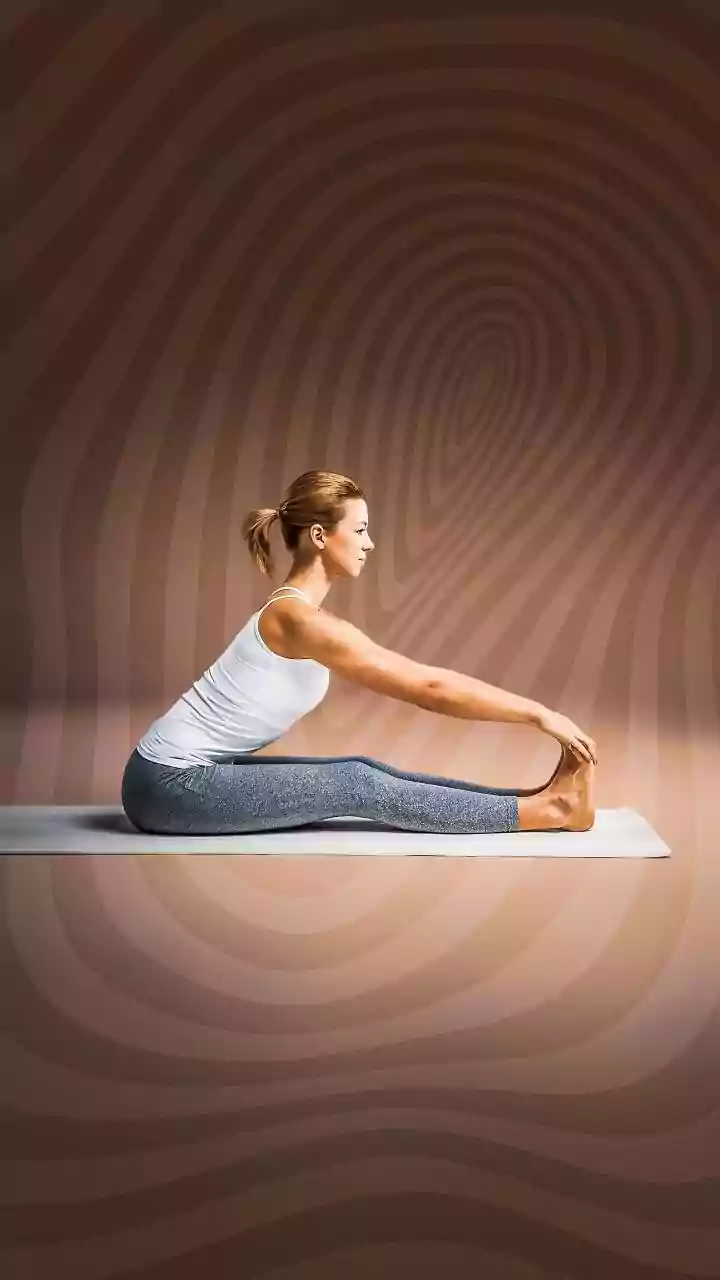
For many, the appeal of paddleboarding lies in what it doesn't do: punish your joints. Unlike high-impact exercises such as running, which can put significant stress on knees, hips, and ankles, paddleboarding is exceptionally low-impact. The water absorbs the shock, giving your joints a much-needed break while still allowing for a challenging workout. This makes it an ideal form of exercise for a wide range of people, including those recovering from injuries, individuals with joint concerns, or anyone looking for a sustainable fitness routine that doesn't lead to wear and tear. The small, continuous movements required to balance on the board also help to strengthen the stabilizing muscles around your joints, improving overall stability and flexibility over time.
Cardio Gains Without the Grind
While it may look relaxing, paddleboarding provides a robust cardiovascular workout. The continuous motion of paddling elevates your heart rate and keeps it in the aerobic zone, improving circulation and strengthening your heart muscle. You can tailor the intensity to your fitness level; a steady, moderate pace builds endurance, similar to a light jog or cycling session. For a more intense challenge, you can incorporate interval training by alternating between short bursts of powerful, fast-paced paddling and periods of slower recovery strokes. This method is highly effective for boosting cardiovascular capacity and burning calories—some estimates suggest you can burn between 300 to 700 calories per hour depending on the intensity.
More Than Just Physical Fitness
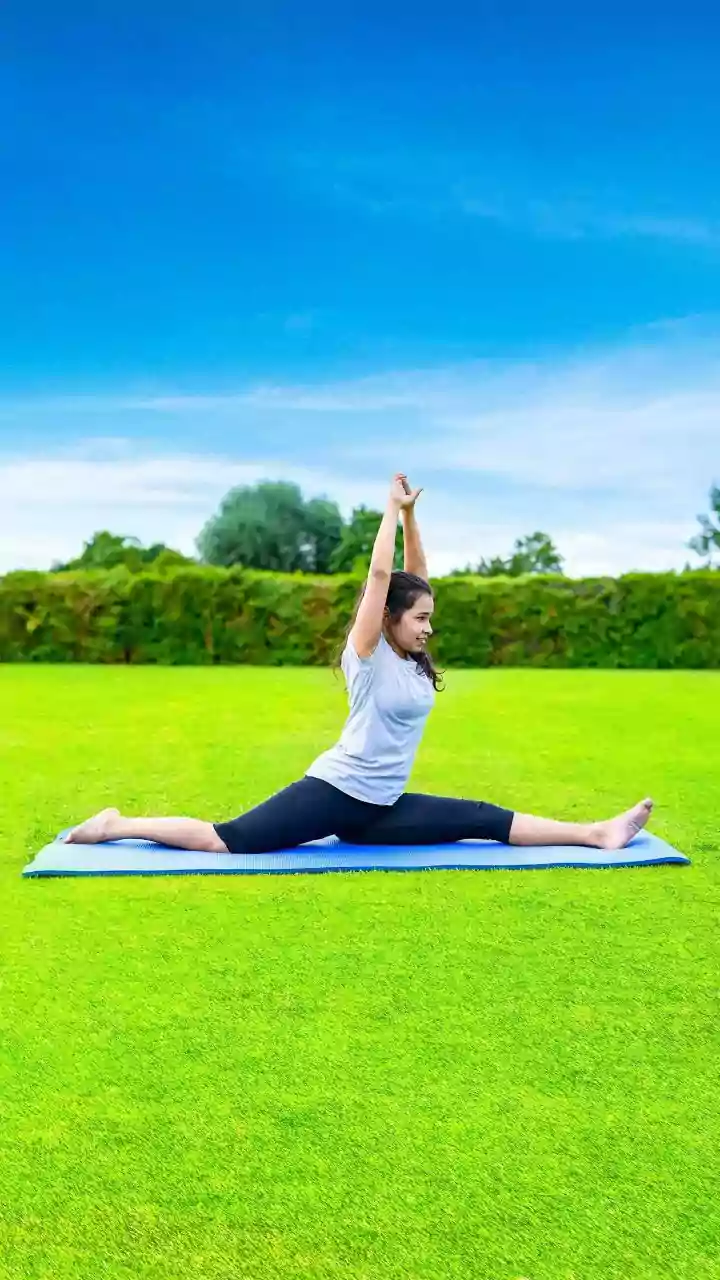
The benefits of paddleboarding extend beyond the purely physical. Being out on the water, surrounded by nature, has a proven calming effect on the mind. The rhythmic motion of paddling and the gentle rocking of the board can be meditative, helping to reduce stress and improve mental clarity. It's a workout that doesn't feel like a chore, which is a key factor for long term consistency. Furthermore, the constant challenge of maintaining your balance enhances coordination and proprioception—your body's awareness of its position in space—which are skills that translate to better stability in all aspects of daily life.
Getting Started on Your Board
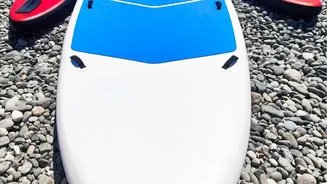
Getting into paddleboarding is surprisingly accessible for beginners. The key is to start in the right conditions: choose a calm body of water like a lake or a bay on a day with little to no wind. Many will find it easiest to start by kneeling on the board to get a feel for its stability before attempting to stand. To stand up, place your hands on the board and bring your feet up one at a time to where your knees were, keeping them about hip width apart. Keep your knees slightly bent, your back straight, and your gaze fixed on the horizon, not your feet, to help maintain your balance. For your first few outings, consider renting gear or taking a lesson from a local outfitter to learn proper paddling technique and safety basics.