



A Pivot to Conscious Health
One of the primary drivers behind this shift is a growing national consciousness around health and wellness. With rising awareness of lifestyle diseases, many are turning a critical eye toward restaurant and processed foods, which are often high in unhealthy
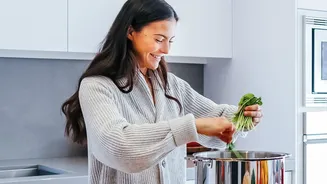
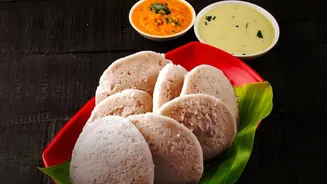
fats, sugar, and preservatives. Home cooking offers a powerful advantage: complete control. It allows individuals to manage portion sizes, choose higher-quality ingredients, and use healthier cooking methods like steaming or sautéing instead of deep-frying. This move is supported by a larger trend towards preventive wellness and clean eating, where food is viewed as a foundational part of health, not just daily consumption. Nutritionists frequently highlight that home-cooked meals, when prepared mindfully, are key to managing chronic health issues and improving overall well-being.
The Wisdom of Tradition
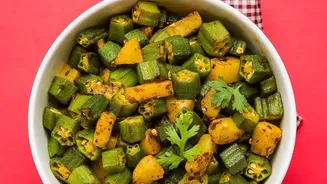
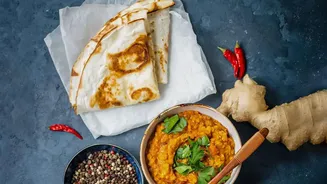
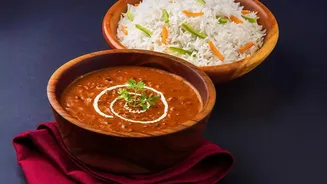
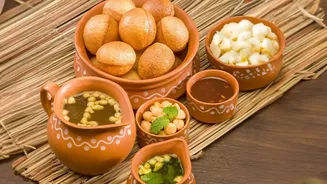
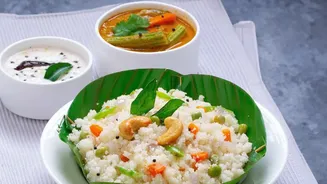
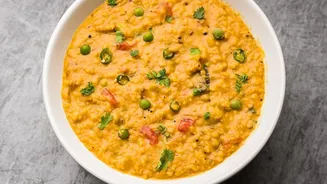
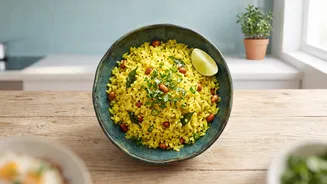
The return to home cooking is also a rediscovery of India's rich culinary heritage. Traditional Indian meals are scientifically balanced, often combining cereals with pulses (like dal and rice) to form complete proteins. Ingredients common in Indian kitchens, such as turmeric, ginger, garlic, and a variety of whole spices, are lauded for their anti-inflammatory and antioxidant properties. These age-old food systems, rooted in Ayurvedic principles, offer a holistic approach to nutrition that modern science is increasingly validating. This 'back to the roots' movement isn't just about nostalgia; it’s about recognizing the inherent nutritional wisdom in meals that have nourished generations.
Social Media and the Modern Cook
Counterintuitively, the digital age has played a significant role in reviving this traditional practice. Social media platforms like Instagram and YouTube are filled with food influencers and home chefs who make cooking look accessible, creative, and appealing. They share everything from quick 30-minute meal ideas to modern twists on classic recipes, inspiring a new generation, particularly urban youth, to get into the kitchen. This digital word-of-mouth has made home cooking a trendy lifestyle choice, transforming it from a chore into a form of self-expression and a way to connect with cultural heritage.
Making Economic Sense
Beyond health and culture, practical economics are a significant factor. With rising food inflation and the increasing cost of dining out, home-cooked meals present a more budget-friendly alternative for many families. Research has shown that a key reason people cook more at home is to reduce spending, especially when the price of ingredients and fuel rises. For a growing number of nuclear households and individuals living alone, cooking at home is a pragmatic decision that helps manage monthly budgets without compromising on the quality or hygiene of their food.
The Caveat: Not All Home Food is Equal
While 'ghar ka khana' is generally healthier, experts caution that it isn't automatically a magic bullet for good nutrition. The health benefits depend heavily on the cooking methods and ingredients used. Excessive use of oil, ghee, sugar, and salt can render home-cooked food just as unhealthy as outside options. Furthermore, some traditional Indian diets can be heavy on carbohydrates and lack sufficient protein. The key, therefore, lies in balanced preparation—prioritizing fresh vegetables, lean proteins, whole grains like millets, and healthier cooking techniques to make home meals truly nutritious.