



Current Weather: An Active and Unpredictable Monsoon
As of August 10, 2026, the monsoon is in an active phase over Himachal Pradesh. The India Meteorological Department (IMD) has issued orange alerts for several districts, warning of heavy to very heavy rainfall through August 11. While Spiti Valley itself
lies in a rain-shadow area and receives less precipitation, the approach roads through Kinnaur, Shimla, and Kullu are extremely vulnerable. Forecasters predict widespread light to moderate rain to continue across the state, with the possibility of another active spell from August 14. This means the primary risks—landslides and flash floods—are concentrated on the journey to Spiti, not within the valley itself. Travellers must not mistake a sunny day in Kaza for safe passage on the highways leading there.
Route Status: Manali vs. Shimla
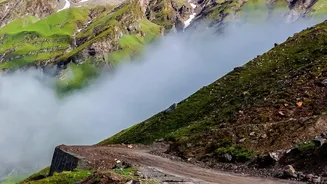
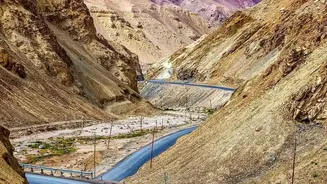
Choosing your route is the most critical decision. As of today, both the Shimla-Kaza and Manali-Kaza routes are technically open, but each carries significant monsoon-related risks. The Shimla to Kaza route (via Kinnaur) remains the recommended option for better acclimatization and generally more stable road surfaces. However, this corridor is highly exposed to monsoon rains, with stretches like the Negulsari zone and near Malling Nala being prone to landslides. The Manali to Kaza route, while shorter, is considered much tougher. The Gramphu-Batal stretch is notoriously rough, with multiple water crossings fed by rain, making them unpredictable. While the Kunzum Pass is open, authorities often recommend a 4x4 vehicle for this section. Do not rely on information that is more than a day old; conditions can change in hours.
Vehicle Preparation: Non-Negotiable Checks
Your vehicle is your lifeline in Spiti. Before you even think about starting, ensure it is in perfect mechanical condition. For any car, high ground clearance is a major advantage. If taking the Manali route, a 4x4 vehicle is strongly advised. Check your tyres, including the spare, for excellent tread. Brakes, suspension, and all fluids must be inspected. Given the slush and water crossings, ensure your car's electrical components are well-protected. For bikers, waterproof luggage is essential, as are freshly checked brake pads and drive chains. Carry a basic toolkit, a puncture repair kit, and an air pump. Fuel is another concern; the last reliable pump on the Manali side can be in Manali itself, so carrying extra fuel in approved jerry cans is a wise precaution. From the Shimla side, pumps are more frequent but it's still smart to top up whenever you get the chance.
Essential Packing and Gear
Monsoon packing for Spiti is about staying warm and dry. Even though the valley is arid, the weather can turn cold, especially at night and at high passes. Layering is key: a thermal base layer, a fleece mid-layer, and a completely waterproof and windproof outer jacket and trousers. Waterproof trekking shoes with good grip are non-negotiable for exploring and for navigating slushy patches. Pack extra pairs of woollen socks. Carry a waterproof cover for your backpack. Essential medicines for headache, fever, and stomach issues should be in your kit, along with any personal medications and a first-aid box. Also include medication for acute mountain sickness (AMS) after consulting your doctor. A powerful torch or headlamp, power bank for your electronics, and offline maps are crucial, as electricity and mobile networks are unreliable.
On The Road: Navigating Hazards Safely
Driving in the Himalayas during monsoon demands constant vigilance. Start your day early to cover maximum ground in daylight and to ensure water crossings are at their lowest levels before the afternoon sun increases snowmelt. When approaching a water crossing (nala), stop and assess its depth and current before proceeding. If it looks too fierce, wait for it to subside or for other vehicles to cross. Never try to cross a landslide while it is active; wait for the BRO (Border Roads Organisation) to clear the debris. Always be on the lookout for shooting stones, especially on stretches with steep cliffs. Keep your itinerary flexible with at least two to three buffer days. Getting stuck for a day or two due to a road closure is a real possibility. Inform your family or friends of your itinerary and check in whenever you have a network.