





Understanding the Post-Meal Spike
Whenever you eat, particularly a meal containing carbohydrates, your body breaks it down into glucose, a type of sugar that enters your bloodstream to be used for energy. This causes your blood sugar levels to rise. In response, your pancreas releases
insulin, a hormone that helps transport this glucose into your cells. However, large, rapid increases in blood sugar, known as spikes, can be stressful for the body. Over time, frequent spikes can contribute to issues like insulin resistance, a precursor to type 2 diabetes. For many, these spikes are also associated with a subsequent energy crash, leaving you feeling tired and unfocused.
How a Short Walk Works Its Magic
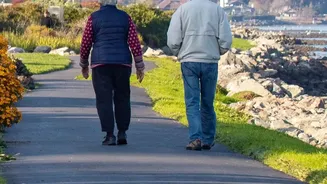
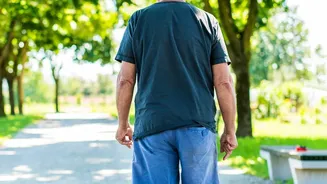
This is where a post-meal walk comes in. When you start walking, your muscles need energy to move. They can pull glucose directly from your bloodstream to fuel this activity, effectively lowering the amount of sugar circulating in your blood. This process helps to blunt the glucose spike that would otherwise occur if you remained sedentary. Think of it as putting the fuel you just consumed to immediate use. Studies have shown that even a light-intensity walk of just a few minutes can have a noticeable impact on post-meal blood sugar levels. Over the long term, this habit improves your body's overall insulin sensitivity, meaning your cells become more efficient at using glucose.
The Optimal Timing for Your Stroll
Timing is crucial for maximizing the benefits. Research suggests that the ideal window to start your walk is within 60 to 90 minutes after finishing your meal, which is when blood sugar levels tend to peak. Some studies indicate that starting even sooner, around 15 to 30 minutes after eating, can be highly effective. The key is to begin moving before your blood sugar reaches its highest point. A 15-minute walk appears to be a sweet spot, providing significant benefits without being a major time commitment. This makes it a more practical and sustainable habit than one long daily walk for managing post-meal glucose.
Easing Stiffness and Aiding Digestion
The advantages aren't limited to blood sugar control. Sitting for a long period after eating can often lead to feelings of stiffness and bloating. A gentle walk stimulates circulation throughout your body, helping to prevent your muscles from becoming rigid. This movement also encourages peristalsis, the wave-like muscle contractions that move food through your digestive tract, which can help reduce feelings of bloating and discomfort. A light, conversational pace is all that's needed; a high-intensity workout immediately after eating can sometimes cause digestive upset.
More Than Just a Walk
Beyond the physical, a post-meal walk offers mental benefits. It can serve as a mental reset, especially after lunch during a busy workday, helping to reduce stress and improve mental clarity. This light activity can help you avoid the dreaded afternoon energy crash and boost your mood. If a walk isn't possible, don't worry. Any form of light activity that contracts your muscles will help. This could include climbing stairs, doing some simple bodyweight squats, or even just marching in place while watching TV. The goal is simply to break up the period of inactivity after you eat.
Making It a Lasting Habit
Integrating this practice into your daily routine is the most important step. Start small—even five minutes is better than nothing. Try scheduling a 15-minute walk in your calendar after your main meals to create a sense of commitment. You could explore your neighborhood after dinner, walk around your office building after lunch, or listen to your favorite podcast or music to make it more enjoyable. Turning this simple action into a consistent habit can lead to significant long-term gains for your metabolic health, heart health, and overall well-being.