





The Appeal of Natural Cleaning
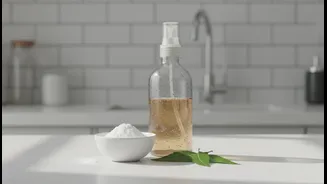
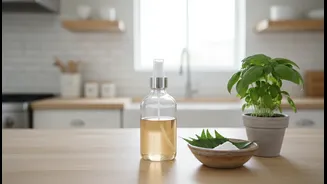
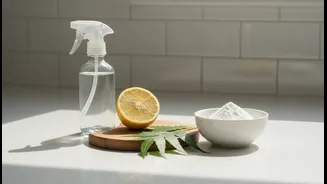
As the rains arrive, the push towards natural cleaning solutions like vinegar, baking soda, and neem oil is stronger than ever. The reasons are clear: they are cost-effective, reduce the presence of harsh chemicals in our homes, and are better for the environment.
With high humidity trapping airborne particles, using cleaners that don't release Volatile Organic Compounds (VOCs) can significantly improve indoor air quality, which is crucial when windows are often closed. Pantry staples are effective for many daily tasks; vinegar's acidity is great for cutting through grime, while baking soda is a champion at absorbing odours from carpets and cupboards. These gentle giants form the foundation of a safe and sustainable monsoon cleaning routine.
Tackling Mould and Mildew
Mould is the monsoon's most unwelcome guest, thriving in damp corners, on walls, and in wardrobes. For small, surface-level spots on non-porous surfaces like tiles, a spray of undiluted white vinegar or a solution made from boiled neem leaves can be effective. Let the solution sit for about an hour before scrubbing it off. However, this is where knowing the limits is vital. Natural cleaners may not kill all types of mould, and they are often ineffective on porous surfaces like wood or drywall, where the problem can be deep-rooted. If mould covers a large area (more than a few square feet), keeps returning after cleaning, or is accompanied by a strong, musty odour, it's a sign of a larger moisture problem that DIY methods cannot solve. At this point, a commercial-grade product or professional help is the smarter, safer choice to protect your home and health.
Banishing Musty Odours
That familiar damp smell in clothes and closets is a hallmark of the monsoon. Natural solutions are excellent for this fight. Placing camphor, silica gel packs, or bowls of coarse salt or baking soda in cupboards can effectively absorb excess moisture and neutralise odours. Sprinkling baking soda on carpets and upholstery before vacuuming is another great trick. But while these methods manage the symptom, it's important to recognise when the odour is a warning sign. A persistent, strong musty smell that doesn't go away likely indicates a hidden mould or mildew problem. Simply masking the smell isn't enough; you need to find and address the source of the dampness itself, which might require more than just a bowl of salt.
A Natural Approach to Pests
The rainy season often forces pests like ants, cockroaches, and flies to seek shelter indoors. Natural repellents can be a great first line of defense. Wiping counters with a vinegar-water solution can erase ant trails, while a few drops of neem oil or crushed bay leaves in cabinets can deter cockroaches. For flies, a simple trap made from apple cider vinegar and dish soap works wonders. These methods are perfect for managing the occasional intruder without filling your home with toxic sprays. However, natural repellents have their limitations, especially against large or established infestations. If you are dealing with a full-blown cockroach problem or suspect termites, natural remedies are rarely sufficient. Professional pest control is necessary to eliminate the problem effectively and prevent it from escalating.
When to Call for Stronger Solutions
The key to smart monsoon cleaning is knowing your boundaries. While DIY solutions are excellent for everyday maintenance and minor issues, they are not a substitute for professional-grade products or expert help when needed. Natural cleaners like vinegar and baking soda do not disinfect to the same level as commercial cleaners designed to kill bacteria and viruses. Furthermore, repeatedly cleaning mould without addressing the underlying moisture source is an ineffective, temporary fix. If you face extensive mould, persistent dampness in walls, or a significant pest infestation, investing in a stronger commercial product or calling a professional is not a failure of your natural approach—it's a smart decision to protect your property and your family's well-being.