





Supported: Exercise Rejuvenates Cellular Power Plants
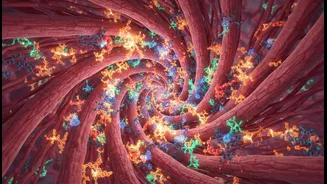
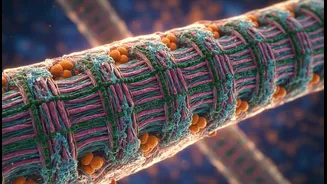
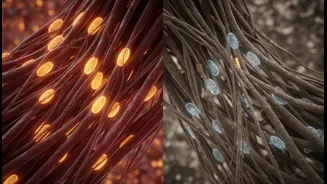
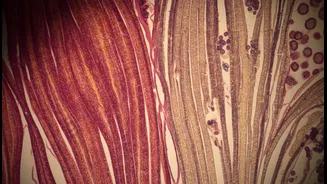
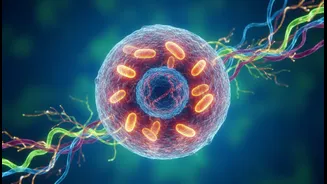
One of the most well-supported benefits of exercise on aging muscle is its effect on mitochondria, the powerhouses of our cells. As we age, mitochondrial function naturally declines, leading to less energy production and more cellular damage. However,
research consistently shows that exercise, particularly high-intensity interval training (HIIT), can reverse this decline. Studies have demonstrated that older adults who engage in regular, intense exercise can boost their mitochondrial capacity even more significantly than younger individuals, effectively encouraging cells to produce more of the proteins needed for energy. This process, known as mitochondrial biogenesis, essentially helps aging muscle act more like young muscle on a metabolic level.
Supported: It Promotes Cellular 'Housekeeping'
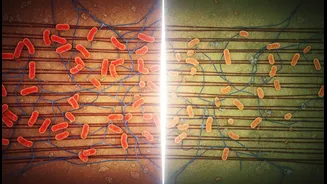
Aging cells can get messy. Over time, they accumulate damaged proteins and other cellular waste, which contributes to a loss of function. Exercise helps activate a crucial cellular cleanup process called autophagy. Recent research from 2026 pinpointed how physical activity flips a molecular switch that allows aging muscles to clear out this damage and repair themselves. By turning down the activity of a gene called DEAF1, exercise helps restore balance, allowing muscles to focus on maintenance and repair instead of just growth, keeping them stronger and more resilient. This process helps reduce the burden of senescent cells—older cells that stop dividing and can cause inflammation—which is a key hallmark of aging.
Partially Supported: It Protects the Ends of Your Chromosomes
You can think of telomeres as the protective caps on the ends of your chromosomes. Each time a cell divides, these caps get a little shorter, and this shortening is strongly linked to aging. The evidence here is promising but complex. Many observational studies show that people with consistently high levels of physical activity have significantly longer telomeres than those who are sedentary, with some research suggesting a biological age advantage of several years. Exercise appears to reduce oxidative stress and inflammation, which are known to shorten telomeres. It can also boost the activity of an enzyme called telomerase, which helps maintain telomere length. However, intervention studies—where researchers have people start an exercise program—have shown more mixed results, suggesting the relationship is not always straightforward and may depend on the type and duration of exercise.
What the Evidence Does Not Support
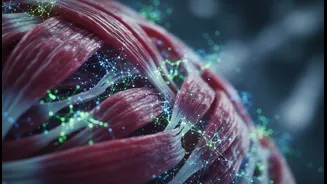
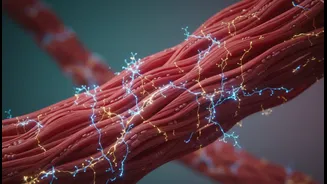
While the benefits are profound, the evidence does not support the idea that exercise can completely stop or reverse all aspects of aging. Sarcopenia, the age-related loss of muscle mass and strength, is a natural process that begins in our 30s and accelerates later in life. Exercise, particularly resistance training, is the single best tool to slow this decline, but it cannot prevent it entirely. Furthermore, exercise alone may not be enough to fully restore repair capacity in muscles where cellular damage has become too advanced. Some studies show that while exercise improves muscle function, its ability to clear out damaged proteins may be less effective in older adults compared to younger ones. It is a powerful mitigator of the aging process, not a cure for it.
Finding the Right Balance
The research makes it clear that you don't need to become a professional athlete to reap the anti-aging benefits. Consistency is more important than intensity for some benefits, while others, like mitochondrial rejuvenation, respond best to high-intensity training. A combination of endurance exercises like brisk walking or cycling and resistance training to build strength seems to offer the most comprehensive protection. Even moderate activity can have a significant impact. But it's also important to note that over-exercising can have negative effects, so finding a sustainable routine is key. The goal is to challenge your muscles regularly, not exhaust them.