



The Science Behind the Spectacle
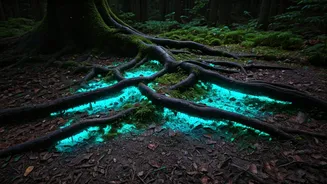
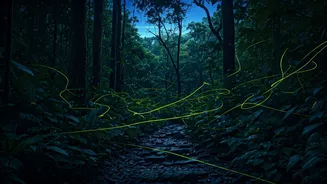
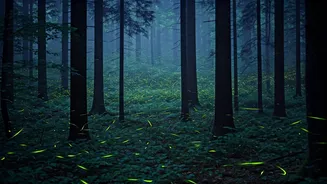
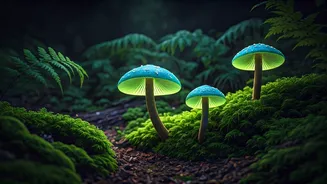
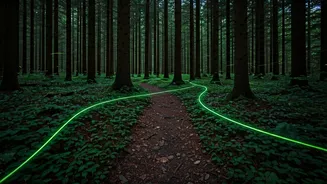
This otherworldly light comes from bioluminescent fungi, often from the genus *Mycena*. These tiny mushrooms, sometimes called 'ghost mushrooms', thrive on decaying wood and leaf litter on the forest floor. The glow is a product of a chemical reaction
involving an enzyme called luciferase and a compound called luciferin, the same combination that allows fireflies to light up. Scientists believe the fungi glow to achieve a few goals. The light can attract nocturnal insects that help in spore dispersal, spreading the fungi to new areas. It might also serve as a warning to deter animals that would otherwise eat them. This 'cold light' produces no heat and is a mesmerising example of nature's ingenuity.
Why the Monsoon is Magical
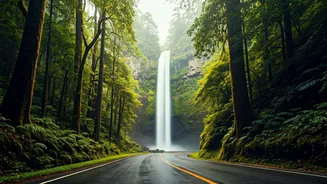
The peak season for witnessing this glowing spectacle is the monsoon, typically from June to October. The incessant rain and high humidity create the perfect damp and decaying environment that these fungi need to fruit and flourish. While most people associate the monsoon with staying indoors, for nature lovers, it unlocks a secret world. The rain washes the forest clean, deepens the colours of the foliage, and fills the air with the rich scent of petrichor. It’s this very dampness that triggers the fungi to put on their best and brightest show, with the glowing networks often looking most vivid after a fresh spell of rain.
Where to Witness the Glow
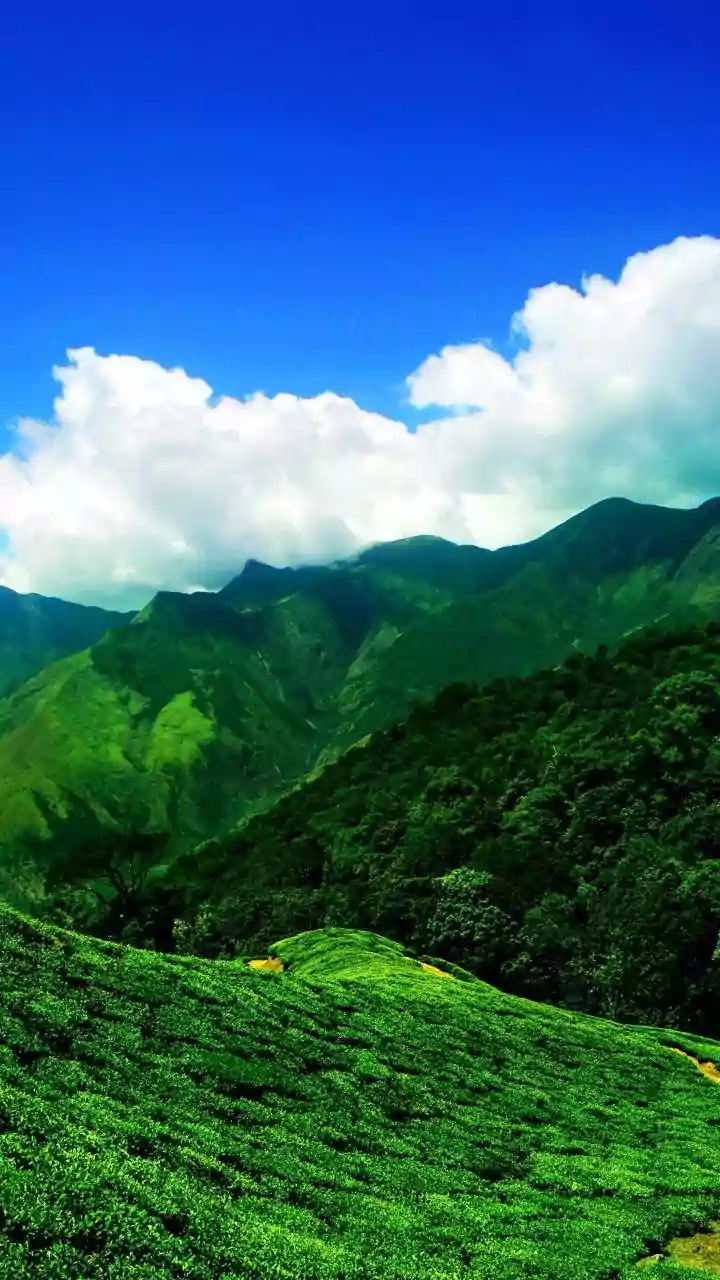
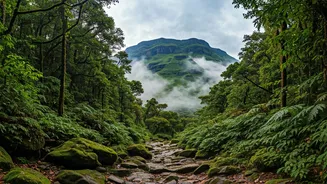
The Western Ghats, a UNESCO World Heritage Site that runs parallel to India's west coast, is the prime location for this phenomenon. The dense, moist forests of Maharashtra and Goa are hotspots for bioluminescence. In Maharashtra, areas around the Bhimashankar Wildlife Sanctuary, Tamhini Ghat, and other forested regions near Pune and Mumbai are known for these glowing trails. Further south, the forests of the Chorla Ghat, which straddle the border of Goa, Karnataka, and Maharashtra, offer some of the most reliable sightings. In recent years, sightings have also been reported from the forests of Meghalaya in the northeast, suggesting this magical occurrence might be more widespread than previously thought.
The Guided Night Walk Experience
Venturing into a dense forest at night, especially during the monsoon, is not advisable without an expert. This is why guided night walks are the best and safest way to experience the glowing fungi. Local guides and eco-tourism operators in these regions offer curated trails. A good guide not only knows the exact spots where the fungi grow but also ensures your safety from nocturnal wildlife and tricky terrain. They will often equip you with insights into the forest's ecosystem, pointing out various species of insects, amphibians, and reptiles that are active after dark. These walks are typically done in small groups to minimise disturbance to the fragile environment.
Preparing for Your Luminous Trek
To make the most of your journey, preparation is key. Wear sturdy, waterproof trekking shoes with a good grip, as the trails will be slippery and muddy. A reliable raincoat or poncho is non-negotiable. Carry a torch, preferably one with a red light option to preserve your night vision, but be prepared to switch it off to fully appreciate the natural glow. Pack insect repellent and wear full-length clothing to protect against leeches. Most importantly, follow the 'leave no trace' principle. Do not touch or attempt to collect the fungi. The magic lies in observing this delicate phenomenon in its natural habitat, leaving it undisturbed for others to enjoy.