


The Hidden Power in the Peel
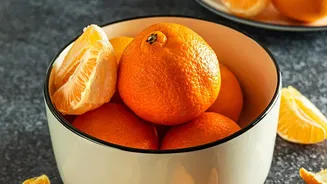
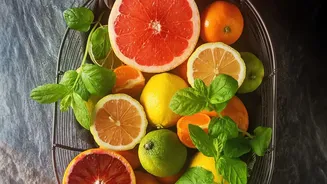
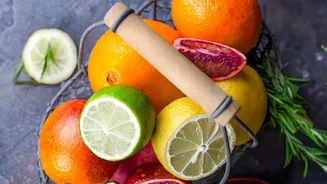
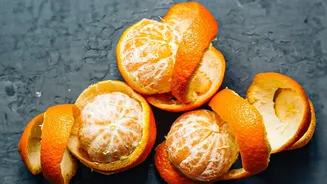
When you toss a citrus peel, you're discarding a surprising amount of nutritional value. The rinds of oranges, lemons, and grapefruits are packed with beneficial compounds not found in the same concentrations in the fruit's pulp. Chief among these is pectin,
a type of soluble fibre that acts as a prebiotic. Prebiotics are essentially food for the beneficial bacteria living in your gut. By nourishing these good microbes, you help create a healthy and balanced internal ecosystem. Peels are also rich in flavonoids and other antioxidants, which have anti-inflammatory properties and can contribute to overall wellness. Studies have shown that compounds in citrus peels can promote the growth of good bacteria like Lactobacillus while reducing harmful ones, which is key to good gut health. Thinking of the peel as an ingredient rather than waste is the first step towards a more sustainable and flavourful kitchen.
Your Gut's New Best Friend
The term 'gut-friendly' often brings to mind probiotics—the live beneficial bacteria found in foods like yoghurt and kimchi. Fermenting citrus peels is a fantastic way to create a preserve that is rich in these probiotics. The fermentation process not only cultivates these helpful microorganisms but also makes the nutrients in the peel more bioavailable, meaning your body can absorb and use them more easily. The combination of prebiotics naturally present in the peel and the probiotics created during fermentation delivers a powerful one-two punch for digestive wellness. These homemade preserves can help support digestion, potentially easing issues like bloating, and contribute to a healthier gut microbiome. Even without fermentation, the high fibre content from pectin supports regularity and overall digestive function, making citrus rinds a valuable addition to your diet.
Hack 1: Fermented Citrus Peels
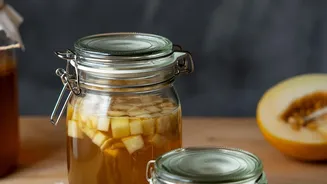
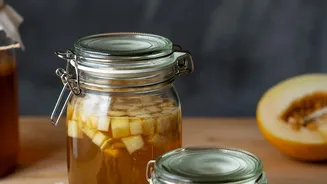
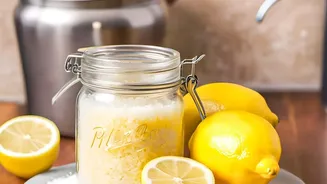
Creating your own probiotic-rich citrus preserve is simpler than you might think. Start with peels from organic citrus to avoid pesticides. Finely chop the peels and place them in a sterilised glass jar. Sprinkle a generous amount of salt over them—a good starting point is about 1-2% of the peel's weight—which helps preserve them and encourages the right bacteria to flourish. Press the peels down firmly to release their juices. The goal is to have the liquid cover the peels, creating an oxygen-free environment necessary for fermentation. Seal the jar tightly and store it in a cool, dark place for one to two weeks. You'll need to 'burp' the jar daily by briefly opening the lid to release the gases that build up during fermentation. Once the peels have reached a flavour and texture you enjoy, you can transfer the jar to the refrigerator. These tangy, salty, fermented peels are a wonderful, complex addition to salads, grain bowls, and savoury dishes.
Hack 2: Quick Leftover Peel Jam
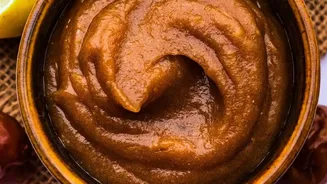
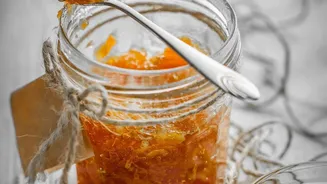
For a sweeter take on citrus preserves, a quick jam or marmalade is an excellent option. This method softens the peels and balances their natural bitterness with sweetness. Take the leftover peels from about five lemons or two oranges and place them in a saucepan. Cover them with water, bring to a boil, and simmer for 20-30 minutes, or until the peels are very soft. Carefully transfer the mixture to a blender and blend until mostly smooth, leaving some texture. Pour it back into the pot and add sugar. A good rule of thumb is to use about half the amount of sugar by weight compared to your peel mixture, but you can adjust this to your taste. Cook on medium heat, stirring often, until the mixture thickens to a jam-like consistency. This tangy, sweet preserve is perfect on toast, stirred into plain yoghurt, or used as a glaze for roasted vegetables.
Hack 3: Versatile Citrus Powder
Perhaps the easiest way to preserve the goodness of citrus rinds is to turn them into a versatile powder. First, remove any remaining white pith from the peels to reduce bitterness. You can do this with a sharp knife. Lay the peels out on a baking sheet and let them air-dry for a few days until they are hard and brittle. To speed up the process, you can bake them in an oven on the lowest possible temperature until they are fully dehydrated. Once they are completely dry, simply grind them into a fine powder using a coffee grinder or a high-powered blender. Store this potent, aromatic powder in an airtight container. You can sprinkle it into salad dressings, use it as a rub for chicken or fish, blend it into smoothies, or mix it with salt and herbs to create a unique seasoning blend. It’s a simple way to add a burst of citrus flavour and a nutritional boost to countless meals.