


The Science of Sweetness and Structure
As a fruit ripens, a delicious transformation occurs. Complex starches break down into simpler sugars, making the fruit sweeter and more flavourful. At the same time, acids decrease, softening any harsh tartness. This is why a ripe peach is so much sweeter and juicier
than a firm one. The plant hormone ethylene is the main conductor of this orchestra, controlling the enzymes that change the fruit's taste, colour, and aroma. Another crucial element is pectin, the natural fibre that gives fruit its structure. As fruit ripens, pectin levels decrease, which is why an overripe banana becomes mushy. A firm, slightly underripe fruit has more structural integrity and a higher pectin content, which is a secret weapon in the kitchen.
The Magic of Tartness in Savoury Dishes
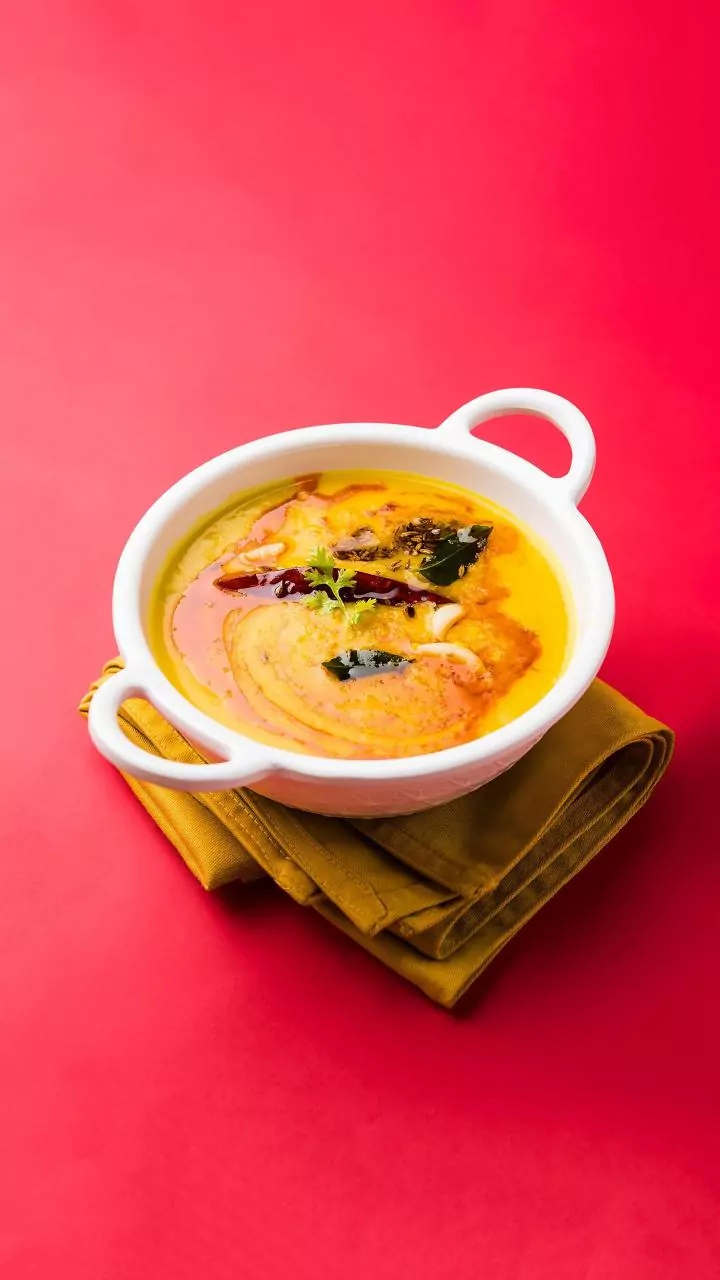
In Indian cuisine, underripe or green fruits are celebrated for their tartness and firm texture. Raw green mangoes, for instance, are the star of tangy drinks like 'aam panna' and add a sour kick to salads and dals. Their firm flesh holds its shape beautifully when cooked in a spicy green mango curry. Similarly, raw papaya is essential in Southeast Asian cuisine, most famously in the Thai green papaya salad known as 'som tam'. Its crisp, neutral-flavoured flesh absorbs the flavours of chilli, lime, and fish sauce perfectly. Unripe papayas and jackfruit are also used in various curries and stir-fries, where they act more like a vegetable, providing substance and texture to the dish.
Firm Fruits That Hold Up to Heat
Have you ever tried to bake or stew with perfectly ripe fruit, only for it to turn into a mushy, shapeless mass? This is where slightly underripe fruit shines. Because of their lower sugar content and higher pectin levels, firm fruits like pears, peaches, and even tomatoes hold their structure when cooked. Think of green tomatoes, which are perfect for frying or making a tangy chutney because they don't fall apart like their ripe, juicy counterparts. Hard pears can be poached or baked into a pie, softening to a pleasant tenderness without disintegrating. This sturdiness makes them ideal for adding to roasts, stews, and other slow-cooked dishes where you want distinct pieces of fruit in the final result.
Sweetness Unleashed in Desserts
When it comes to desserts, ripe fruit is usually the hero. The natural sugars are at their peak, meaning you need less added sugar for a delicious result. Soft, juicy berries, fragrant mangoes, and sweet peaches are perfect for classic fruit tarts, crumbles, and pies. The filling of a tart often relies on a simple pastry cream or custard, allowing the vibrant flavour of the ripe fruit to be the main attraction. A popular technique in pastry shops is to brush a thin glaze made from warmed apricot jam over the fresh fruit topping. This not only adds a beautiful shine but also a complementary layer of flavour that enhances the natural sweetness.
A Balancing Act for Jams and Preserves
Making jams and jellies is a science that perfectly illustrates the dual roles of fruit ripeness. For a jam to set properly, it needs three things: sugar, acid, and pectin. While very ripe fruit provides the best flavour and highest sugar content, it is often low in pectin. Underripe fruit, on the other hand, is high in pectin but can lack deep flavour. The solution used by cooks for generations is to use a combination of both. A common guideline is to use about three-quarters ripe fruit for flavour and one-quarter underripe fruit to ensure a good gel. This blend creates a preserve that is both intensely fruity and perfectly set, capturing the best of both worlds in a jar.