




The Spirit of Shravan Eating
Shravan, which typically falls during the monsoon months of July and August, is a deeply significant period in the Hindu calendar, dedicated to Lord Shiva. For many, this time involves fasting or adhering to a specific diet as a form of devotion and purification.
The core principle is to consume 'sattvic' or pure foods that are believed to calm the mind and aid spiritual focus. This means temporarily setting aside 'rajasik' (stimulating) and 'tamasic' (heavy or dulling) foods. The dietary shift is not just spiritual; it aligns with ancient wisdom about health during the monsoon season. Ayurveda suggests that our digestive fire, or 'agni', is weaker during these humid months, making lighter foods a practical choice for maintaining well-being.
What's On and Off the Menu
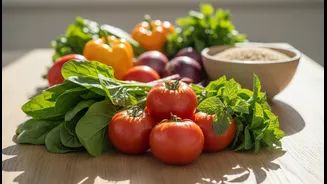
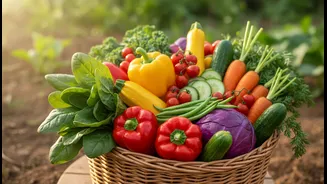
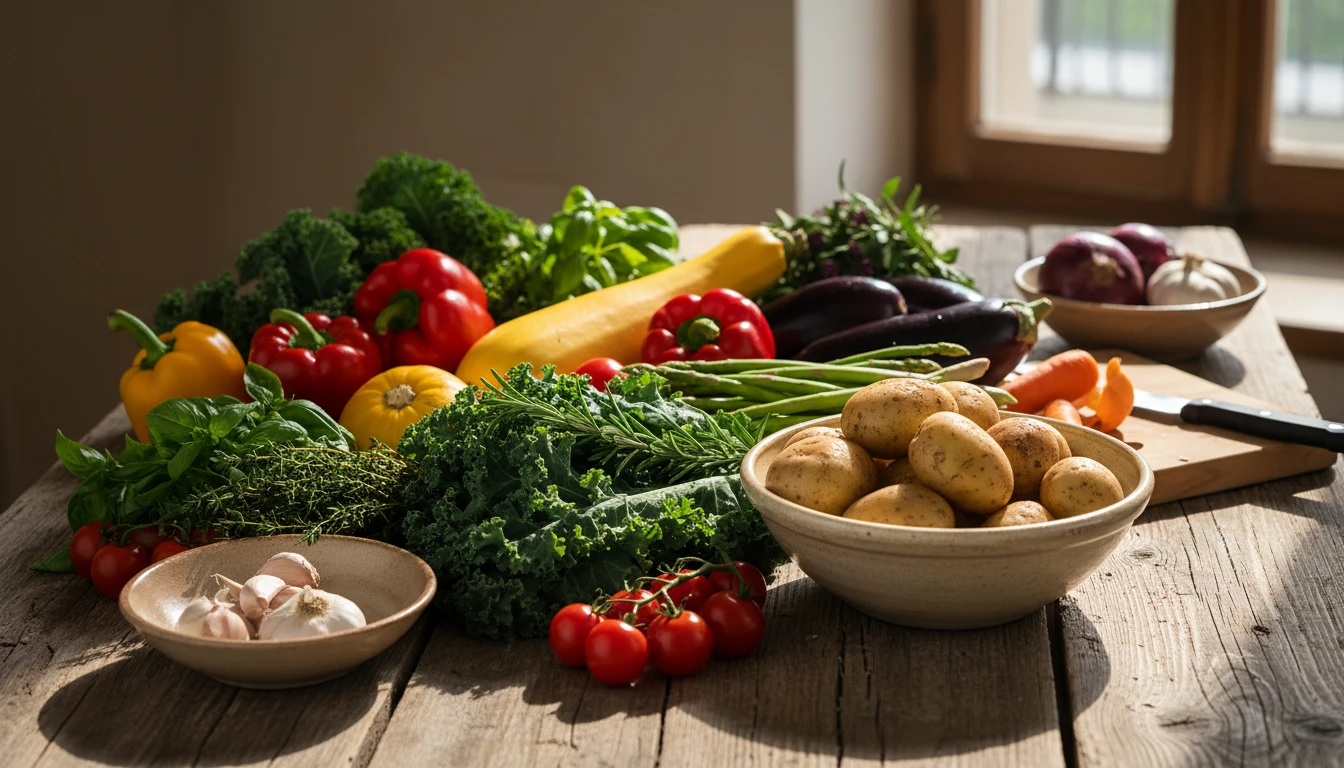
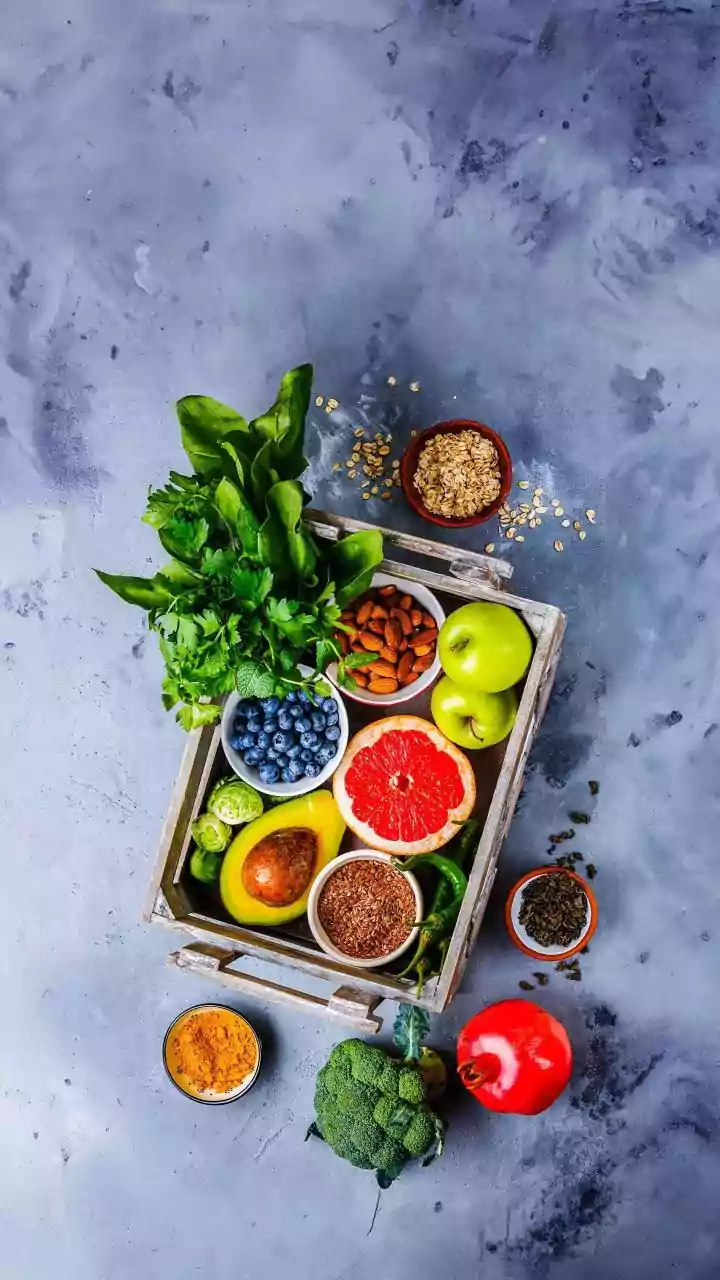
The rules of a Shravan diet are centred on simplicity and purity. Foods that are strictly avoided include non-vegetarian items like meat, fish, and eggs. Onions and garlic, considered 'tamasic' for their tendency to increase body heat and mental distraction, are also excluded. Regular table salt is often replaced with sendha namak (rock salt). Heavy spices, certain oils, and alcohol are also set aside to keep the meals light and easy to digest. In their place, the diet welcomes a vibrant array of fruits, which are packed with essential vitamins and fibre. Dairy products like milk, curd, and paneer are staples, providing a good source of protein. A variety of nuts and seeds offer healthy fats and keep you full longer, while vegetables like bottle gourd, pumpkin, and potatoes form the base of many dishes.
Anatomy of a Shravan Thali
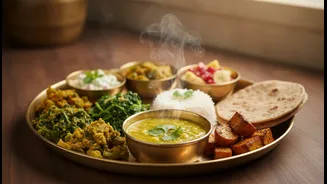
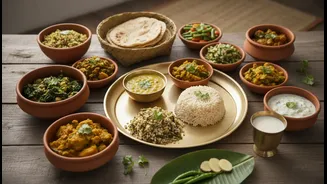
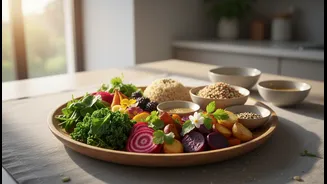
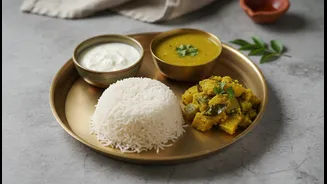
A typical Shravan thali is a masterclass in creating a satisfying meal from a limited palette of ingredients. Instead of regular grains like wheat and rice, the focus shifts to alternatives like sabudana (tapioca pearls), kuttu (buckwheat flour), rajgira (amaranth flour), and samak rice (little millet). These are not only permissible for fasting but are also gluten-free and rich in nutrients. A well-planned plate might feature Sabudana Khichdi, made with peanuts and mild spices; puris or theplas made from rajgira flour; and a simple vegetable curry using potatoes or bottle gourd. This is often accompanied by a bowl of cooling plain curd and a side of fresh fruit. The result is a meal that provides a balanced mix of carbohydrates for energy, protein from dairy and nuts, and essential nutrients from vegetables and fruits.
Why Simplicity Fosters Balance
The dietary restrictions of Shravan naturally guide one towards a more balanced and gut-friendly way of eating. By eliminating heavy, oily, and excessively spicy foods, the digestive system gets a much-needed rest, which is particularly beneficial during the monsoon when digestion can be sluggish. The emphasis on plant-based foods, fruits, and dairy creates a diet rich in fibre, vitamins, and minerals. This approach can help detoxify the body and improve gut health by fostering a diverse microbiome. The use of alternative grains like buckwheat and amaranth provides complex carbohydrates and protein, ensuring sustained energy release without the sharp spikes associated with refined flours. In essence, the simplicity of the Shravan diet strips meals down to their nourishing essentials, creating a naturally balanced plate.
Timeless Wisdom for the Modern Plate
You don’t need to observe a religious fast to benefit from the principles of the Shravan plate. Its core tenets offer valuable lessons for anyone looking to eat more mindfully. The focus on seasonal and fresh produce is a cornerstone of healthy eating. The practice of giving the digestive system a break from heavy and processed foods can enhance energy levels and overall well-being. Incorporating a wider variety of grains like millets and buckwheat can diversify your nutrient intake. Above all, the Shravan diet is a reminder that balanced, nourishing meals don’t require complex ingredients or elaborate preparations. By embracing simplicity, we can create food that is both wholesome and delicious.