



Janmashtami 2026: Date and Puja Timings
In 2026, the main festival of Krishna Janmashtami will be celebrated on Friday, September 4. The most auspicious time for prayers is the Nishita Kaal, which is the midnight period when Lord Krishna is believed to have been born. For New Delhi, the Nishita Puja
time will be from approximately 11:57 PM on September 4 to 12:43 AM on September 5, 2026. Timings may vary slightly based on your city, so it is always a good practice to check a local panchang.
The Core Principle: Why Devotees Fast
Observing a vrat or fast on Janmashtami is more than just abstaining from food; it is a spiritual discipline. The primary purpose is to reduce worldly distractions, allowing the mind to focus more intensely on devotional activities like chanting mantras, singing bhajans, and reading scriptures about Krishna's life. By simplifying physical needs, devotees aim to enhance their spiritual connection and express gratitude and devotion to Lord Krishna. The choice of fast often depends on one's health, age, and family traditions.
The Nirjala Vrat: A Test of Discipline
The strictest form of fasting on Janmashtami is the Nirjala vrat, which involves complete abstinence from both food and water. This demanding fast typically begins at sunrise on Janmashtami day and continues until the fast is broken, either after the midnight puja or the next morning. Due to its intensity, the Nirjala fast is generally recommended only for those who are in good health and accustomed to such austerities. It is not advisable for children, the elderly, pregnant women, or individuals with medical conditions.
The Phalahari Vrat: The Most Common Approach
The most widely observed fast is the Phalahari vrat, which allows for the consumption of specific foods. This approach is more manageable for people with daily responsibilities. Grains such as wheat and rice, as well as all lentils and pulses, are strictly avoided. Foods that are permitted include all types of fruits, milk and dairy products like paneer and curd, and certain fasting-specific flours like Kuttu (buckwheat) and Singhara (water chestnut). Vegetables like potatoes, sweet potatoes, and pumpkin are also allowed. Regular table salt is replaced with Sendha Namak (rock salt).
Foods to Eat and Avoid
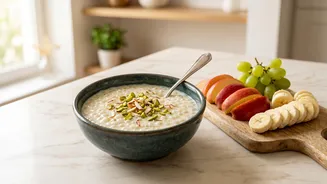
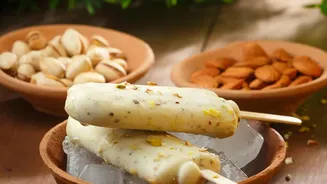
During a Phalahari fast, the diet is sattvic, meaning it is light and pure. Foods that are generally allowed include fruits, milk products, sabudana, samak rice, makhana (fox nuts), and various nuts and dry fruits. Key items to avoid are onions, garlic, non-vegetarian food, alcohol, and tobacco. Even within the allowed foods, moderation is encouraged. It's easy to turn vrat-friendly ingredients into heavy, deep-fried meals, which can defeat the purpose of a fast intended for lightness and purification.
Breaking the Fast: The Parana Ritual
The ritual of breaking the fast is called Parana. The timing for this can vary based on tradition. Some devotees break their fast after the midnight Nishita Puja is completed, which would be after 12:43 AM on September 5 in New Delhi. A more traditional approach, as per Dharmashastras, is to break the fast the next morning after sunrise, once both the Ashtami Tithi and Rohini Nakshatra have concluded. In 2026, the Parana time for those following this stricter rule would be after 6:01 AM on September 5. The fast is typically broken with a light, sattvic meal.