
An Invisible Threat From the Sun
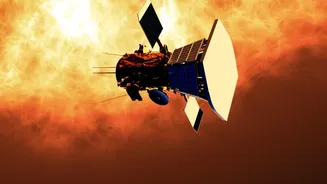
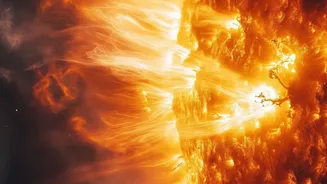
Space weather refers to the changing conditions in space driven by the Sun's activity. The primary culprits are solar flares and coronal mass ejections (CMEs). A solar flare is an intense burst of radiation, while a CME is a massive eruption of plasma
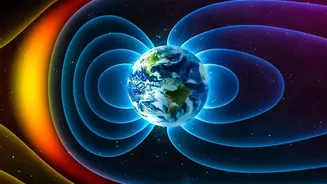
and magnetic fields from the Sun's outer atmosphere. When these phenomena are directed at Earth, they can have significant consequences. While they produce beautiful auroras, they also pose a serious risk to the technological backbone of our modern world. A severe geomagnetic storm, triggered by a CME, can induce powerful electrical currents in power grids and pipelines, potentially causing widespread blackouts and infrastructure damage. This isn't a theoretical problem; in 1989, a solar storm knocked out power across Quebec, and a historic 1859 event caused telegraph systems to fail.
How Solar Storms Disrupt Our Digital World
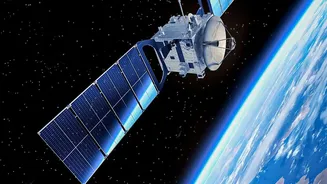
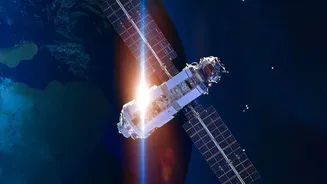
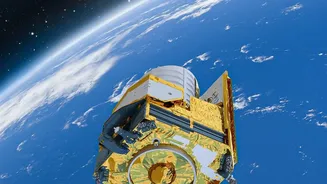
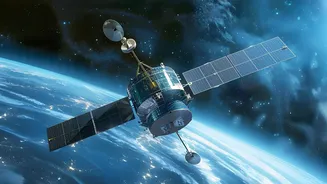
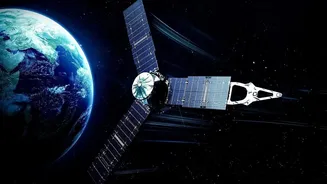
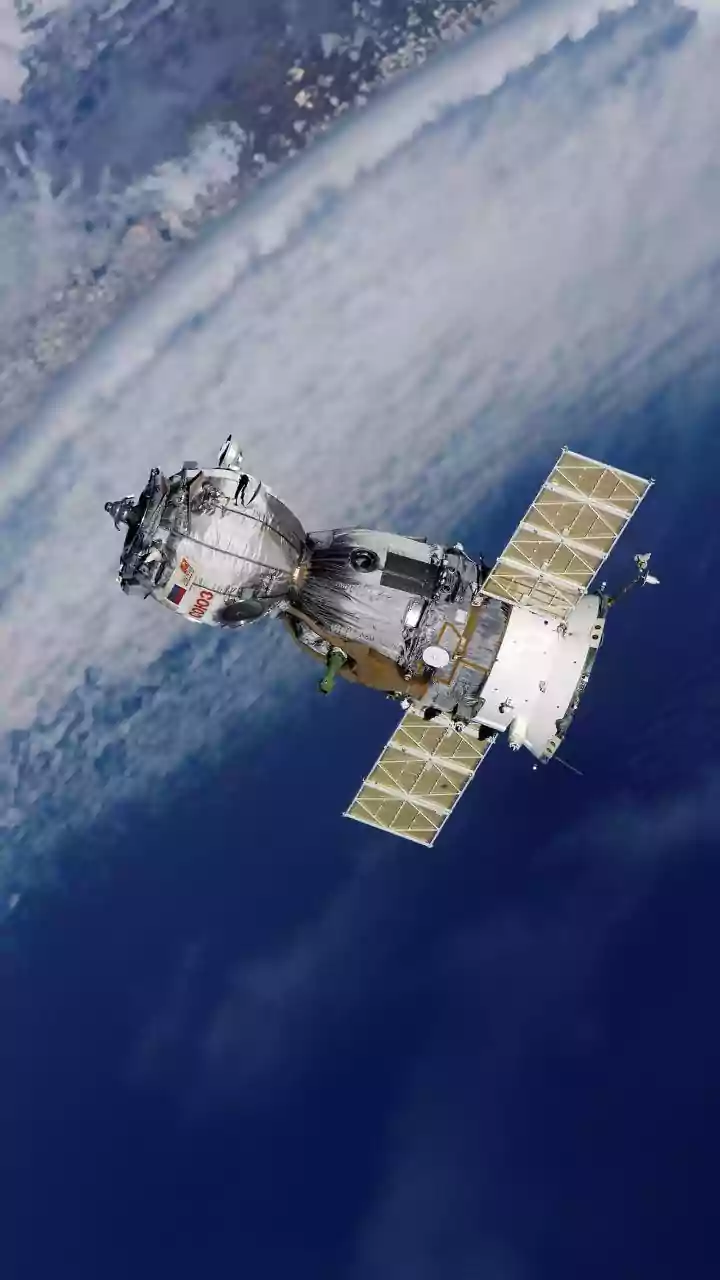
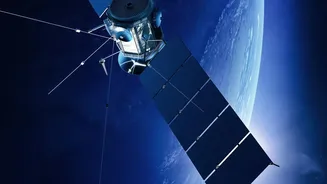
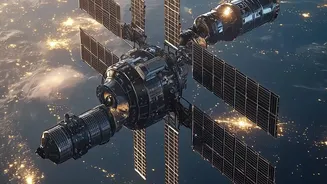
Satellites are particularly vulnerable to space weather. For those in Low Earth Orbit (LEO), where thousands of communication and imaging satellites operate, a major solar event heats and expands Earth's upper atmosphere. This increases atmospheric drag, slowing satellites down and causing their orbits to decay. In a stark example from 2022, a relatively minor geomagnetic storm led to the failure of 40 newly launched Starlink satellites as they were dragged into the lower atmosphere and burned up. Beyond drag, energetic particles from the sun can damage or destroy a satellite's sensitive electronics and degrade its solar panels. Furthermore, space weather disrupts the very signals satellites transmit. It can disturb the ionosphere, the layer of the atmosphere that radio and GPS signals must pass through, leading to signal degradation, loss of accuracy, or even complete blackouts for services like GPS, aviation communication, and satellite broadband.
The Challenge of Predicting Space Weather
The core challenge lies in the speed of these events. Currently, most operational forecasts rely on spacecraft like the Space Weather Follow-On L1 (SWFO-L1) positioned about 1.5 million kilometres from Earth. This vantage point gives forecasters a view of the solar wind heading our way. However, for the fastest and most dangerous CMEs, this only provides about 15 to 60 minutes of warning time before impact. While this is enough to issue alerts, it leaves little time for satellite operators or power grid managers to take comprehensive protective measures. The potential economic fallout is staggering, with studies estimating that a severe, Carrington-level event could cause trillions of dollars in global economic losses in the first year alone due to disruptions in power, supply chains, and financial services.
A New Generation of Cosmic Forecasting
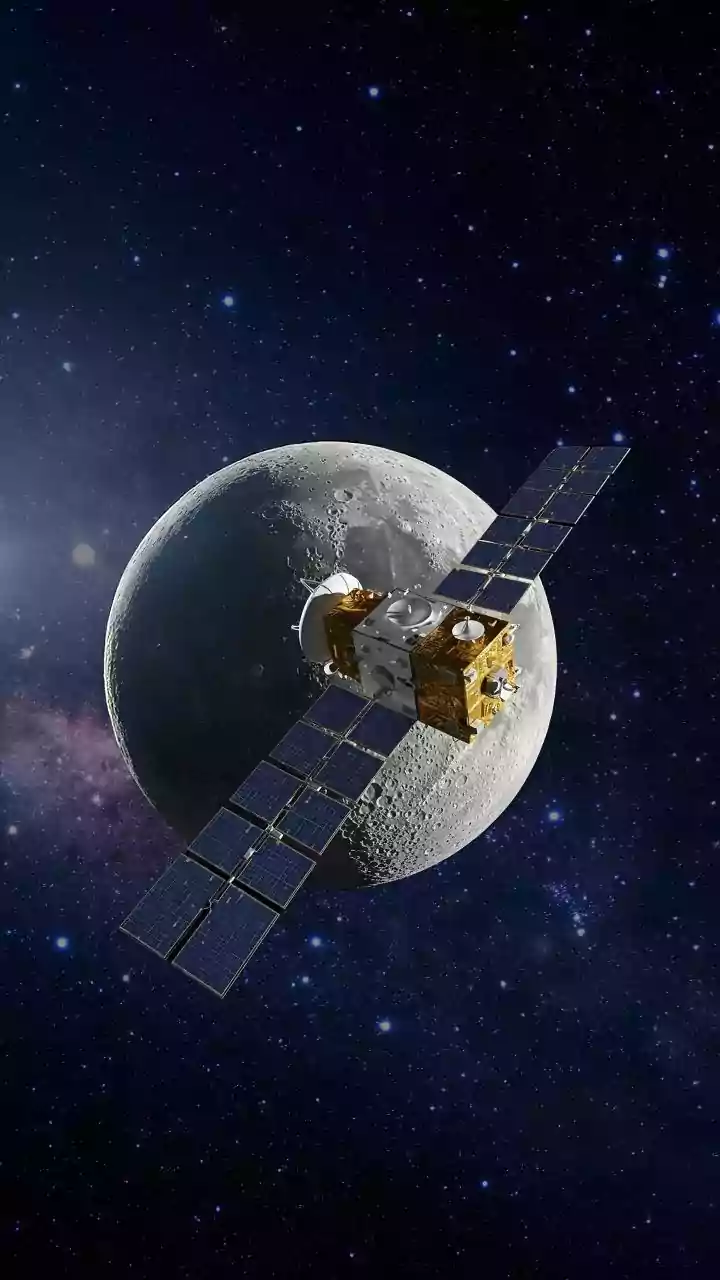
To extend this critical warning window, new technologies and missions are being developed. One promising area is the use of artificial intelligence. NASA and IBM have developed an AI model called Surya, trained on years of solar observation data, which can analyze solar activity and help predict where a flare might occur. Early results show it surpassing existing methods, offering a significant step toward better operational forecasting. In parallel, new satellite missions are being planned to provide earlier data. The European Space Agency's HENON mission, set to launch in 2027, will travel much farther upstream—about 15 million kilometres from Earth—to measure the solar wind's magnetic field. This could potentially extend the warning time for severe storms from minutes to several hours, providing a much-needed buffer. Similarly, NOAA's Space Weather Next program aims to ensure a continuous stream of data from multiple vantage points in space.
From Prediction to Protection
Longer and more accurate forecasts are not just about knowing a storm is coming; they enable action. With several hours of warning, satellite operators can take proactive steps to protect their assets. This could involve putting a satellite into a protective 'safe mode,' where non-essential components are powered down to reduce the risk of electrical damage. They could also re-route communications traffic or delay delicate orbital maneuvers. For power grid operators, advanced warnings allow them to reconfigure the grid to better withstand the induced currents, potentially preventing cascading failures and blackouts. Hardening infrastructure is also part of the solution, using radiation-hardened electronics in satellites and building more robust power grid components. Ultimately, improved forecasting is the key that unlocks the effectiveness of all other mitigation strategies, turning a potential catastrophe into a manageable event.