



The Longest Day of the Year
The summer solstice, happening around June 21st, is an astronomical event that marks the official start of summer in the Northern Hemisphere. It's the day when the Earth’s North Pole is tilted most directly towards the sun, giving us the longest period
of daylight and the shortest night of the year. In India, we get to enjoy over 13 hours of daylight. While ancient cultures built monuments like Stonehenge to align with this day, for us, it’s a wonderful reminder of our planet's journey around the sun. It's a day of maximum light, a peak moment in the annual solar cycle before the days gradually begin to shorten again.
A Celestial Show After Sunset
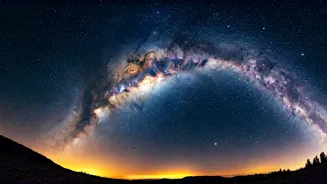
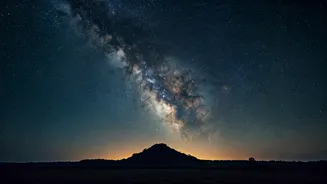
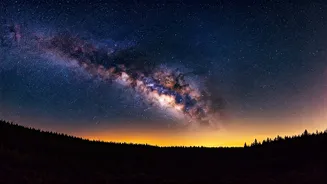
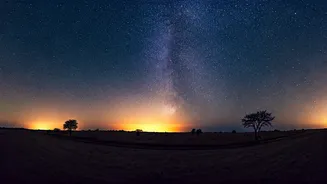
The real spectacle begins after the sun goes down. The period around the solstice is a fantastic time for stargazing. To get the best view, try to find a location away from bright city lights. A park, a terrace, or a spot on the outskirts of town will work wonders. Give your eyes about 15-20 minutes to adjust to the darkness; you’ll be amazed at how many more stars become visible. You don’t need a telescope, though a pair of binoculars can enhance the view of the moon and planets. The key is patience and a clear patch of sky.
Spot the 'Strawberry' Full Moon
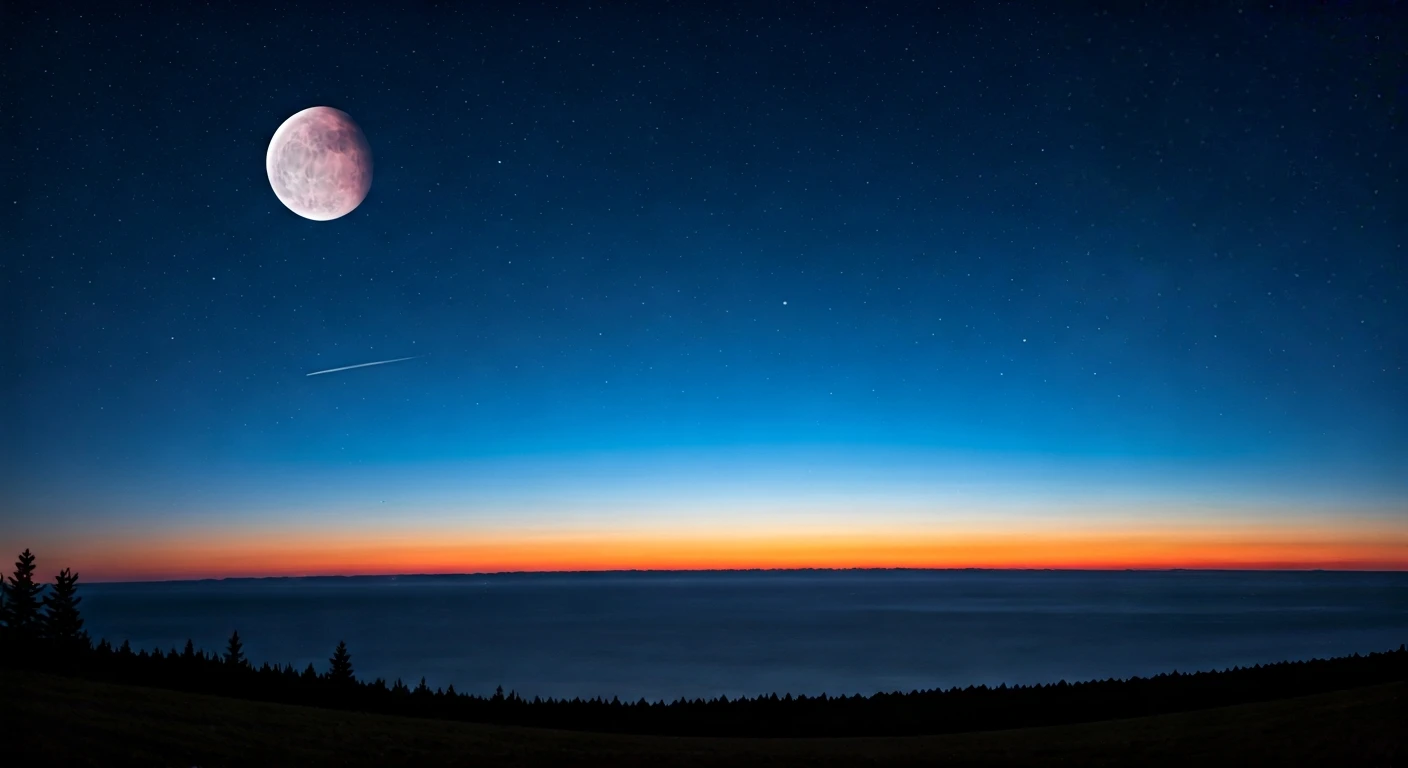
One of the major highlights of this solstice period is the full moon, which occurs just a day after the solstice itself. June’s full moon is famously known as the 'Strawberry Moon'. This name comes from the Algonquin tribes of North America, who associated it with the short season for harvesting wild strawberries. It won’t actually look pink or red, but seeing a full moon so close to the longest day of the year is a special treat. Because the sun is at its highest point in the sky during the day, the full moon will be at its lowest, appearing large and golden as it rises and sets near the horizon. Look for it in the east shortly after sunset.
A Parade of Planets in the Morning
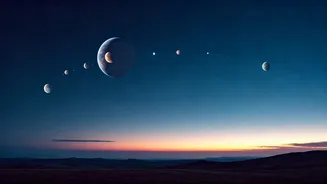
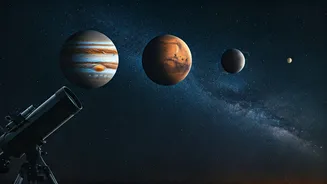
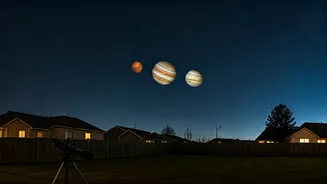
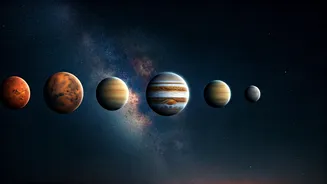
If you’re an early riser, the pre-dawn sky has its own rewards. Around this time of year, several planets are putting on a show in the hours before sunrise. Look towards the eastern sky about an hour before the sun comes up. You should be able to spot a trio of planets. Saturn will be higher up, appearing as a steady, yellowish-white point of light. Below it, you'll find Mars, distinguishable by its distinct reddish hue. Closer to the horizon, the brilliant giant Jupiter will be making its appearance. Unlike twinkling stars, planets shine with a more constant light, which can help you identify them. Seeing three planets line up is a beautiful and calming way to start your day.
Find the Summer Triangle
As you gaze upwards into the deep night, try to spot one of the most famous star patterns of the summer: the Summer Triangle. It's not an official constellation but an 'asterism' made of three bright stars from three different constellations. Look high overhead for Vega, the brightest of the three and part of the Lyra constellation. To its lower left is Deneb, the tail of Cygnus the Swan. To the lower right of Vega is Altair, the brightest star in Aquila the Eagle. These three stars form a large, clear triangle that is easy to spot even with some light pollution and serves as a great landmark for navigating the summer sky.