





From Possessions to Peak Memories
At its core, the rise of experience-led weekends is about a powerful shift in values. We are moving away from an economy based on owning things to one built on collecting memories. An experience-led weekend prioritises doing over having. It could be anything
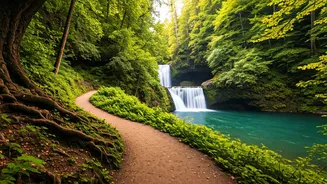
from a two-day workshop on block-printing, a guided nature walk in a nearby national park, or a curated food tour exploring a city's oldest bakeries. [23] The emphasis is on active participation, personal growth, and creating stories to tell, rather than accumulating objects. This trend reflects a deeper desire for a life measured in meaningful moments, not just material wealth. [2] Consumer sentiment has been shown to favour experiences over tangible goods, indicating a structural and cultural move away from simple ownership. [12]
The Post-Pandemic Push for Real Connection
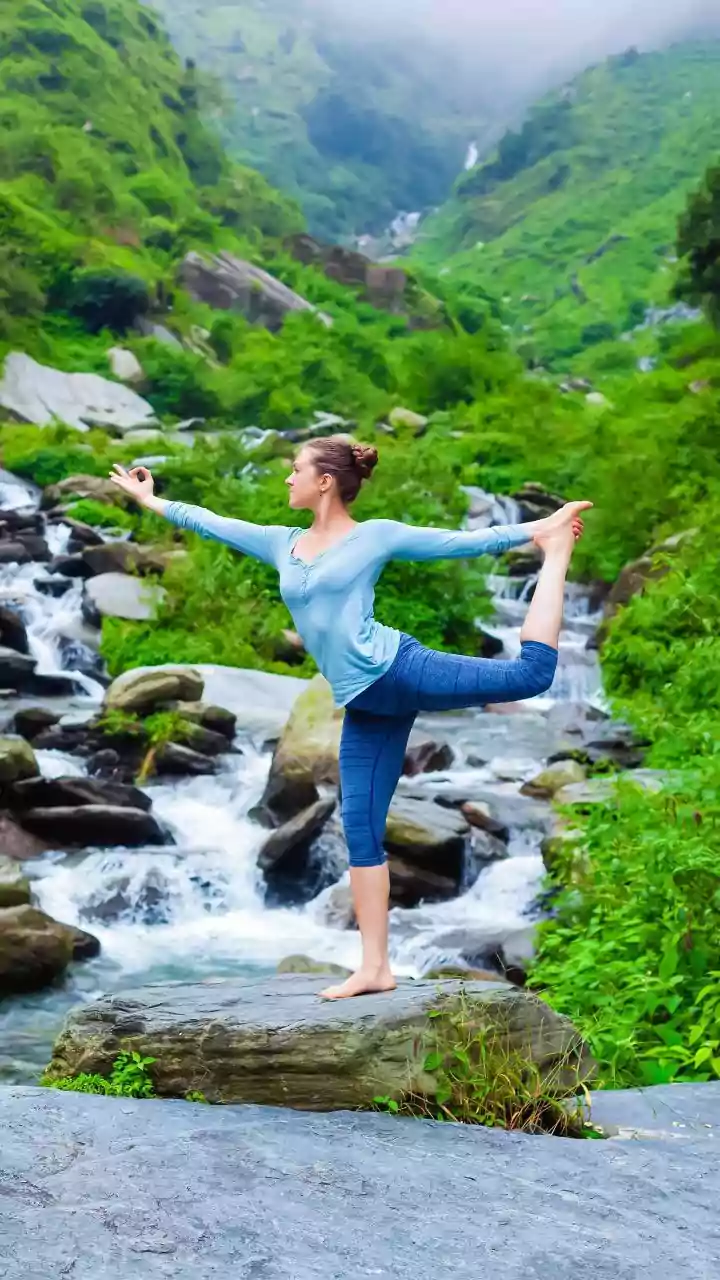
The after-effects of the pandemic have significantly accelerated this trend. After prolonged periods of restriction and digital-only interactions, there is a pent-up demand for tangible, real-world activities. [7] People are seeking to reconnect with nature, with their communities, and with themselves in ways that screens cannot offer. [14, 15] This has led to a boom in recreational and wellness-focused travel, where the goal is to rejuvenate the mind and body. [7, 15] The shift towards flexible and remote work arrangements has also played a crucial role, giving people more freedom to plan immersive weekend getaways without being tethered to a five-day office week. [14, 15]
Younger Generations are Leading the Charge
Millennials and Gen Z are the primary drivers of the experience economy. [9] Having grown up in a digital-first world, they are more inclined to spend their disposable income on creating memories they can share. [9] Studies show that younger generations prioritise travel and unique adventures, often influenced by what they see on social media. [3, 8] For Gen Z, the desire for new and unique experiences is a top consideration when choosing how to spend their time and money. [9] This demographic is also more likely to travel internationally and for longer durations, blending leisure with work and personal development. [6, 9] They are also willing to invest in purposeful travel that aligns with their values, such as sustainability. [5]
The Social Media-Authenticity Paradox
Social media plays a dual role in this trend. On one hand, it fuels the desire for unique, shareable moments. [1] Platforms like Instagram and TikTok have become powerful tools for discovering everything from hidden-gem cafes to offbeat travel destinations. [21] A viral post can turn a quiet location into a must-visit spot overnight. [21] On the other hand, this very public-facing documentation exists alongside a genuine search for authenticity. [2] Travellers are increasingly looking for genuine cultural immersion and connections with local communities, moving away from mass-produced tourist traps. [14, 29] This has given rise to 'slow travel,' where the goal is not to see as much as possible, but to deeply understand a single place. [23]
Hyper-Local is the New Exotic
Experience-led weekends are not just about expensive trips to faraway places. A significant part of this trend involves exploring one's own backyard. There is a growing appreciation for local tourism, with people discovering the unique cultural and natural attractions within their own cities and regions. [14] This can include attending community festivals, taking a class from a local artisan, or visiting a farmers' market. [26, 27] These hyper-local adventures are accessible, sustainable, and offer a way to connect with one's community on a deeper level. [29] They prove that a memorable weekend doesn't require a plane ticket, just a sense of curiosity.