








The Problem with Traditional Rainwear
For decades, effective rain protection came at an environmental cost. Most waterproof jackets were made from virgin polyester or nylon, plastics derived from petroleum. More concerning were the chemicals used to make them repel water. This was often achieved
with a Durable Water Repellent (DWR) coating containing per- and poly-fluoroalkyl substances (PFAS), also known as PFCs. These “forever chemicals” are incredibly effective at repelling water and oil but are notorious for not breaking down in the environment. When a jacket is washed or discarded, these chemicals can enter our ecosystems, persisting for hundreds of years and accumulating in the food chain, with potential risks to wildlife and human health.
The Rise of Recycled Materials
The most significant shift in sustainable rainwear is the move towards recycled fabrics. Brands are increasingly using recycled polyester (rPET), often made from discarded plastic bottles, to create the main fabric for their jackets. The process involves collecting, cleaning, and breaking down post-consumer plastic waste into high-quality fibres. This approach not only diverts plastic from landfills and oceans but also consumes significantly less energy and water compared to producing virgin polyester. Some companies have even developed fully circular systems where old garments can be returned, broken down, and remade into new ones, reducing waste to a minimum.
A New Era of Waterproofing
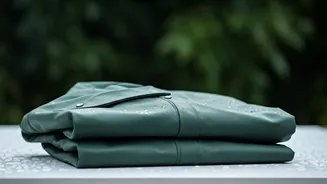
Alongside recycled fabrics, the industry is tackling the issue of toxic DWR coatings. The goal is a widespread move to PFC-free alternatives. These newer treatments use different chemistries, such as silicone or wax-based compounds, to create the water-beading effect without the harmful environmental persistence of their predecessors. While early versions were less durable, recent innovations have closed the performance gap significantly. Leading brands have now eliminated PFCs from most or all of their product lines, marking a major step forward for the industry. These greener alternatives may require more frequent care to maintain their performance, but it's a small trade-off for a much lower environmental footprint.
Beyond the Jacket: Greener Choices Abound
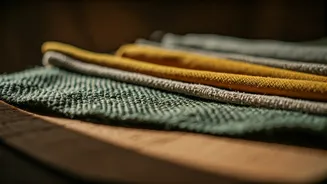
The sustainable trend extends beyond just raincoats. Footwear brands are offering boots made from sustainably harvested natural rubber and water-resistant leather uppers. For everyday wear during humid monsoon days, fashion is embracing breathable and quick-drying natural fabrics like organic cotton, linen, bamboo, and Tencel. These materials are comfortable, manage moisture well, and are grown with fewer chemicals, making them a better choice for both your skin and the soil. Even umbrellas are getting a rethink, with some designers exploring more durable frames and canopies made from recycled materials to combat the throwaway culture associated with cheap, flimsy models that break in the first strong gust of wind.
How to Make a Conscious Choice
As a consumer, navigating these changes is easier than it seems. Look for labels that mention recycled materials like recycled polyester or recycled nylon. Check for terms like “PFC-free” or “PFAS-free” DWR to ensure the waterproofing is non-toxic. Beyond materials, the most sustainable mindset is to buy less and choose quality. Investing in a durable, well-made piece of gear that lasts for years is far more eco-friendly than buying a cheap, disposable item every season. The slow fashion movement is gaining ground in India, encouraging a shift towards timeless, high-quality items over fast-changing trends. This approach not only reduces waste but also fosters a greater appreciation for craftsmanship and durability.