







Understanding the Great Oil Divide
The primary difference between cold-pressed and refined oils lies in their extraction process. Refined oils are produced using high heat and chemical solvents to extract the maximum amount of oil from the seeds. This process also involves bleaching and deodorizing
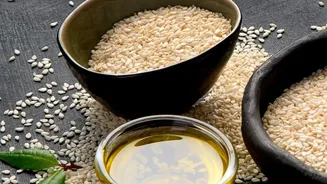
to create a neutral-tasting oil with a long shelf life. In contrast, cold-pressed oils are extracted using a mechanical press at low temperatures, without chemicals. This gentle method preserves the natural nutrients, flavour, and aroma of the source, whether it's groundnut, sesame, or mustard seeds.
The Case for Cold-Pressed Oils
Because they are minimally processed, cold-pressed oils retain a wealth of beneficial compounds that are often lost in refining. They are rich in antioxidants, Vitamin E, and natural fatty acids that support heart health. Studies have shown that cold-pressed oils have significantly higher antioxidant activity, which helps combat oxidative stress in the body. This nutrient retention is why many health-conscious households are returning to these traditional oils. Their distinct flavours also enhance the taste of dishes, with oils like cold-pressed mustard, coconut, and groundnut being staples in regional Indian cuisines for centuries.
What's the Deal with Refined Oils?
Refined oils are not inherently evil, but their processing comes at a nutritional cost. The high-heat, chemical-driven process can strip away up to 80% of the natural nutrients and antioxidants. This process can also create trans fats and other harmful compounds, especially when the oil is repeatedly heated. Regular consumption of some refined oils, which often have an imbalanced ratio of omega-6 to omega-3 fatty acids, has been linked to increased inflammation and a higher risk of heart disease.
The Smoke Point Debate
A common argument for refined oils is their higher smoke point, which is the temperature at which an oil begins to break down and smoke. It's true that refined oils can typically withstand higher temperatures, making them seem ideal for deep frying. However, heating any oil past its smoke point creates harmful free radicals and destroys nutrients. Many cold-pressed oils, like groundnut and coconut, are perfectly suitable for everyday Indian cooking methods like sautéing and shallow frying when used at appropriate temperatures. The key is to match the oil to the cooking method, not to seek the highest smoke point for all purposes.
Making the Healthiest Choice for Your Kitchen
For optimal heart health, the choice leans towards cold-pressed oils for daily use. Their rich nutrient profile and beneficial fats make them a superior option for most cooking. A practical approach for many Indian kitchens is to adopt a multi-oil strategy. Use a variety of cold-pressed oils like groundnut, sesame, or mustard for everyday dishes like dals, sabzis, and tempering. If you deep-fry occasionally, you might keep a stable, high-smoke-point oil on hand, but for the majority of your cooking, the nutritional benefits of cold-pressed oils are undeniable.