




General Monsoon Care
Before diving into specific plants, a crucial tip for monsoon gardening is to ensure proper drainage. [16] While these plants love moisture, they dislike waterlogged soil, which can lead to root rot. [13, 14] Use pots with drainage holes and consider
adding a layer of sand or cocopeat to your soil mix to improve percolation. [13] Terracotta pots are also a great choice as they help absorb excess moisture. [13] For plants in the ground, creating raised beds can prevent water from stagnating around the roots. [13] With these basics in place, you can create a thriving garden that embraces the rainy season.
Peace Lily (Spathiphyllum)
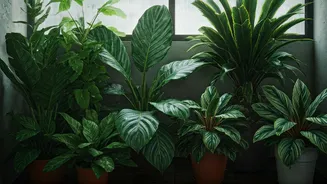
The Peace Lily is an elegant indoor plant that truly comes into its own during the monsoon. [9] It thrives in high humidity and its glossy green leaves look exceptionally vibrant in the moist air. [9] These plants are known for their ability to absorb excess moisture from the air, which can help reduce mould and dampness indoors. [7] They are tolerant of low-light conditions, making them ideal for overcast rainy days. [4] With its beautiful white blooms and air-purifying qualities, the Peace Lily is a low-maintenance choice for a healthier and more beautiful home during the rains. [7, 15]
Hibiscus (Gudhal)
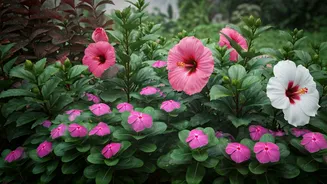
A staple in many Indian gardens, the Hibiscus plant produces large, showy flowers and flourishes in warm, moist climates. [2, 5] The increased humidity and cooler temperatures of the monsoon often lead to more abundant blooms. [8, 9] While they love moisture, it's vital to plant them in well-draining soil to prevent waterlogging. [5, 9] Available in a wide range of colours like red, pink, and yellow, Hibiscus adds a vibrant splash of the tropics to balconies and gardens, attracting butterflies and bees. [6, 8] Light pruning during the early monsoon can help shape the plant and encourage even more flowers. [5]
Ferns (e.g., Boston Fern)
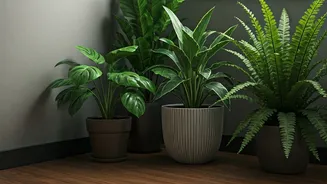
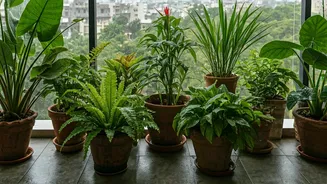
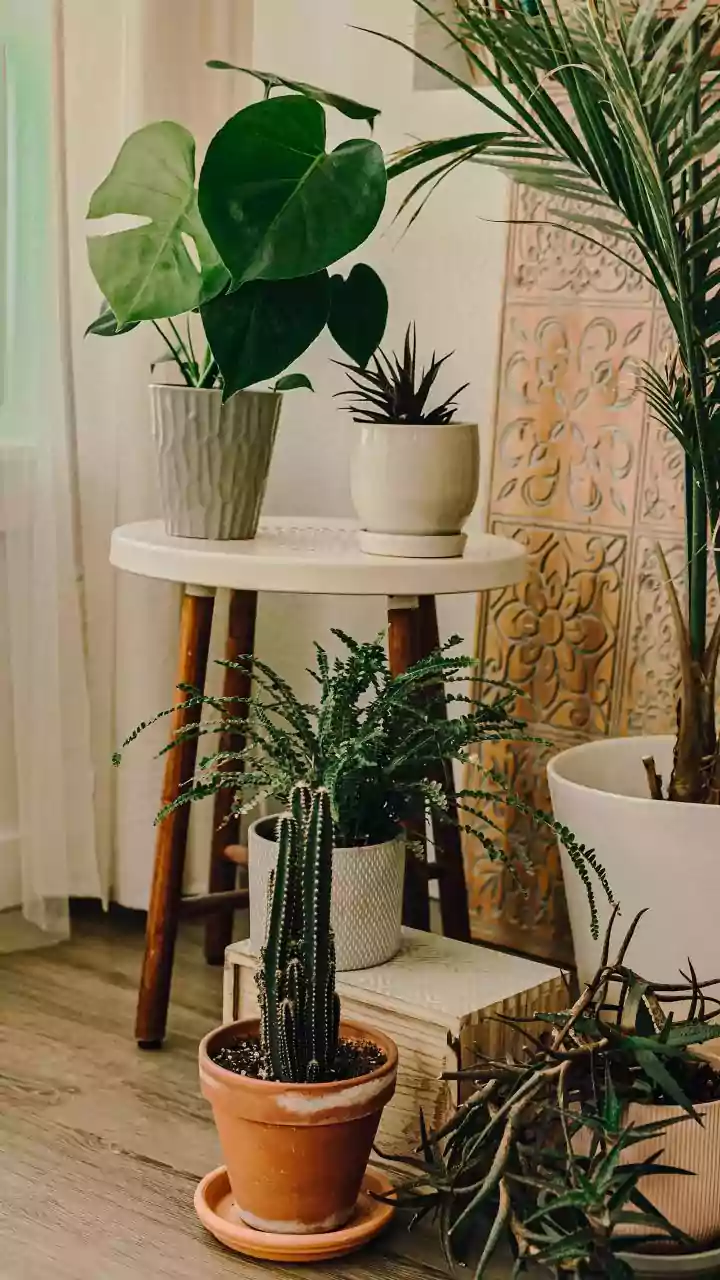
Ferns are the quintessential moisture-loving plants, making them a perfect fit for the rainy season. [5, 12] Species like the Boston Fern or Maidenhair Fern thrive in the high humidity and indirect light that characterises the monsoon. [5] Their delicate, lush fronds bring a soft, natural aesthetic to shaded balconies, bathrooms, or indoor spaces. [5, 7] To keep them happy, plant them in a porous, organic-rich soil and ensure the area has good air circulation to prevent fungal issues, which can be a risk in very damp, still conditions. [5]
Snake Plant (Sansevieria)
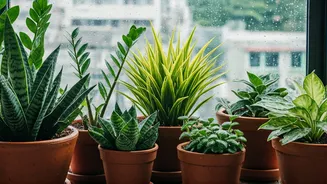
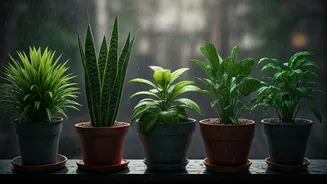
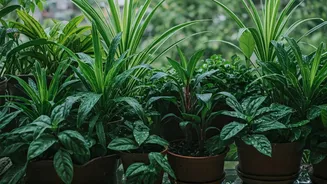
Known for being nearly indestructible, the Snake Plant is an excellent choice for beginners and a resilient option for the monsoon. [15] It tolerates high humidity well and is very forgiving when it comes to watering. [7] Its upright, striking leaves make a strong architectural statement. As an air-purifying plant, it helps to improve indoor air quality, which is especially beneficial when windows are kept closed during heavy downpours. [7] Its adaptability makes it one of the easiest plants to care for, rain or shine. [15]
Jasmine (Mogra)
The fragrance of Jasmine, or Mogra, is deeply woven into Indian culture, and the plant thrives during the monsoon. [6] The rainy season often encourages these perennial climbers to produce an abundance of their intensely fragrant white blooms. [2, 6] Jasmine prefers well-drained soil and a spot with partial to full sunlight. [2] It’s a rewarding plant for any garden, providing not just visual beauty but also a delightful scent that perfumes the damp monsoon air, especially in the evenings.
Marigold (Genda)
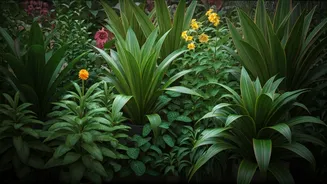
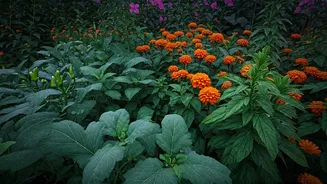
Marigolds are cheerful, hardy annuals that bring a burst of sunshine with their bright orange and yellow flowers, even on cloudy days. [2, 8] They are easy to grow and are known to be pest-resistant, which is a significant advantage during the monsoon when pests can be more active. [2, 14] While they bloom actively in moderately rainy conditions, it's important to ensure they are not waterlogged, as this can harm the plant. [8] Marigolds are a low-maintenance way to keep your garden colourful and healthy. [4]