



Understanding the Autumn Challenge
Autumn (late September to October) is a transitional season in Spiti. The summer crowds have vanished, and the valley is quieter. However, this period also marks the onset of harsh winter conditions. Daytime temperatures can be pleasant, but they drop
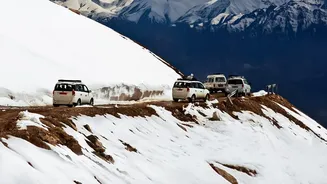
sharply below freezing at night. Passes like Kunzum La (4,551 metres) become highly unpredictable and can close without warning due to early snowfall, potentially trapping travellers. Many smaller guesthouses and dhabas also begin to close down for the winter, reducing your options for food and lodging. Therefore, planning is not just recommended; it's critical.
Prioritise Gradual Acclimatisation
Acute Mountain Sickness (AMS) is the single biggest risk for travellers in Spiti. It occurs when you ascend too quickly without giving your body enough time to adjust to lower oxygen levels. Symptoms include persistent headaches, nausea, dizziness, and fatigue. To prevent it, choose your route wisely. The Manali-Kaza route involves a rapid ascent over high passes in a short time, which is a common trigger for AMS. The safer option, especially in autumn, is the Shimla-Kinnaur-Kaza route. This path allows for a gradual, stair-step increase in altitude over several days, giving your body a much better chance to acclimatise. Plan to spend at least one night in a lower-altitude town like Kalpa or Nako before proceeding to Kaza (3,650 metres). Once in Kaza, rest for a day before visiting higher villages like Komic or Hikkim.
Monitor Road and Pass Status Daily
In autumn, the status of high-altitude passes can change overnight. Kunzum Pass, which connects Spiti to Lahaul and Manali, is particularly vulnerable to early snowfall and can close anytime from mid-October onwards. Black ice becomes a serious hazard on roads, especially in the mornings and at higher elevations. Before starting your day’s journey, always check the current road status with local taxi unions, your hotel staff, or by checking official updates from the Border Roads Organisation (BRO). Never assume a pass is open just because it was the day before. If you are travelling in late October, it is safest to plan your entry and exit via the Shimla route.
Pack for Extreme Cold and Wind
Packing correctly is non-negotiable for an autumn Spiti trip. The key is layering. Your clothing should consist of a base layer (thermals), a mid-layer (fleece or a light down jacket), and a windproof, waterproof outer layer. Temperatures can drop severely after sunset, so heavy woollens are essential. Other must-have items include insulated, waterproof trekking shoes, multiple pairs of woollen socks, UV-protection sunglasses, a beanie or balaclava to protect your head and ears from biting winds, and warm gloves. A high-SPF sunscreen and lip balm are also crucial, as the sun at high altitudes can be harsh, even when it's cold.
Vehicle Preparedness and Essential Supplies
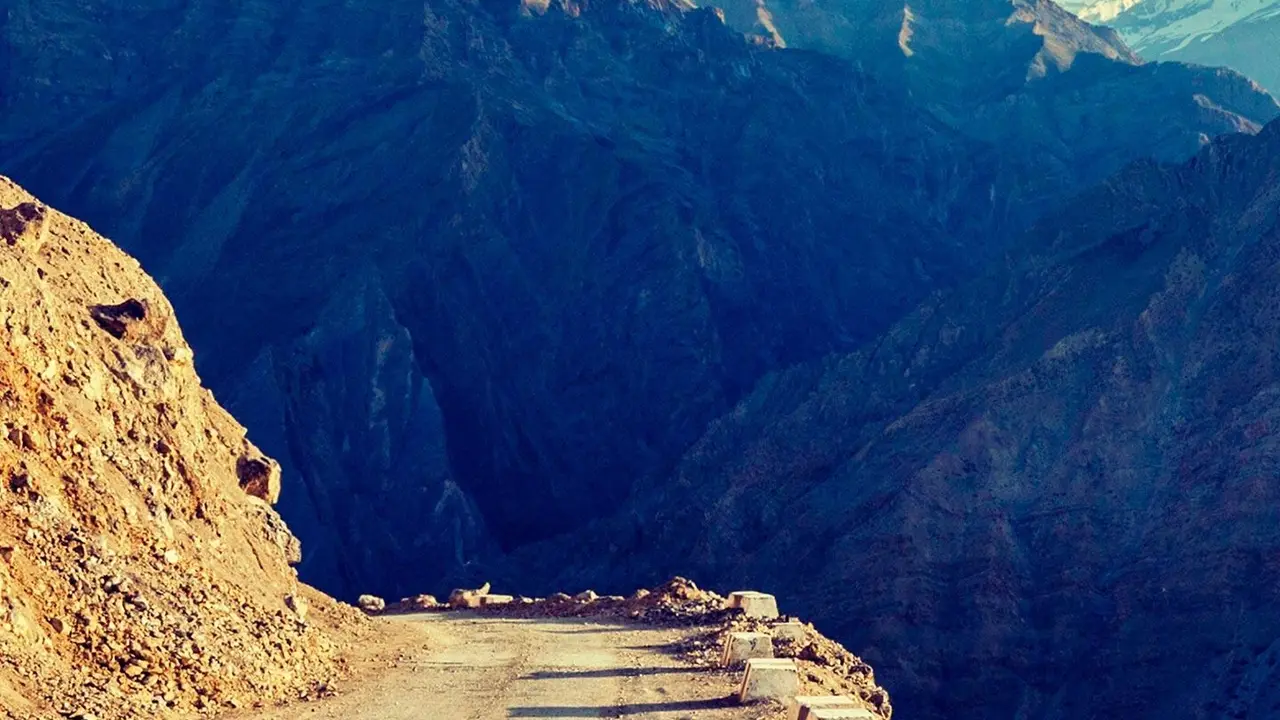
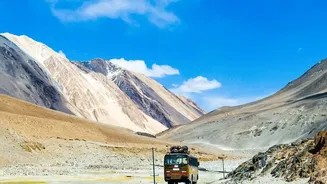
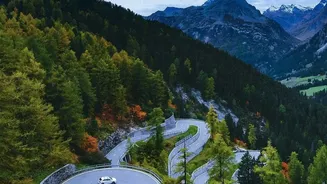
The roads in Spiti are challenging, with many stretches being unpaved and prone to landslides. A vehicle with high ground clearance, like an SUV, is strongly recommended. Before you start, ensure your vehicle is thoroughly serviced. For supplies, carry more cash than you think you need; ATMs are scarce and often unreliable in Spiti. There are no fuel pumps between Manali/Sissu and Kaza, so always refuel when you get the chance. Pack a well-stocked first-aid kit, including medicines for headache, nausea, and any personal prescriptions. With limited mobile connectivity (Jio has the best but still patchy coverage), downloaded offline maps are a lifesaver. Finally, carry a power bank, a flask for hot water, and extra snacks like energy bars and dry fruits.