







What is NASA’s Moon Base?
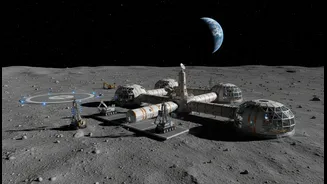
NASA's Artemis program is laying the groundwork for what it calls the 'Moon Base,' a permanent human outpost near the lunar South Pole. The plan involves a phased approach, starting with robotic missions and technology tests, before moving on to semi-permanent
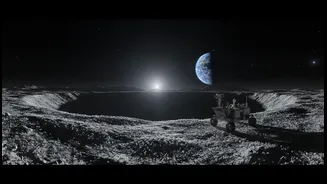
infrastructure by the late 2020s and early 2030s. This isn't about planting a flag; it's about creating a sustained presence. The concept includes a foundation habitat for astronauts, a lunar terrain vehicle for mobility, and power systems. The chosen location at the South Pole is strategic due to the potential for accessing water ice in permanently shadowed craters and near-constant sunlight for solar power. This base is designed to be a hub for long-duration science, testing technologies for future Mars missions, and learning to live and work on another world.
Science, Not Just Footprints
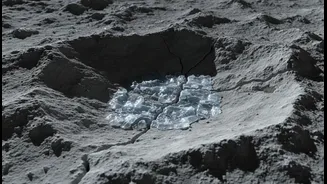
The core purpose of the Moon base is science and resource utilization. A major goal is In-Situ Resource Utilisation (ISRU), which means using local materials. Scientists believe the lunar South Pole contains water ice, which could be harvested to provide drinking water, breathable oxygen, and even rocket propellant. This would drastically reduce the cost and complexity of deep-space missions. Beyond resource mining, the base will enable unprecedented scientific research. Geologists can study the Moon's ancient history, which holds clues to the formation of Earth and the solar system. The lack of atmosphere also makes the Moon a perfect platform for astronomy, allowing for observations free from the distortion of Earth's air.
India's Seat at the Lunar Table
So, where does India fit in? In June 2023, India became the 27th signatory of the Artemis Accords. These accords are a set of non-binding principles for cooperation in civil space exploration, grounded in the 1967 Outer Space Treaty. By signing, India aligned itself with a major international framework for peaceful and transparent space activity. This move was seen as a strategic shift from pure self-reliance to collaborative global engagement. It prevents technological isolation and ensures that Indian systems are interoperable with global standards. While signing the accords doesn't automatically make ISRO a construction partner on the base, it grants India a crucial role in the broader Artemis program, facilitating data sharing, joint mission opportunities, and access to best practices that can directly benefit India's own ambitious space goals.
Chandrayaan and Artemis: A Shared Vision
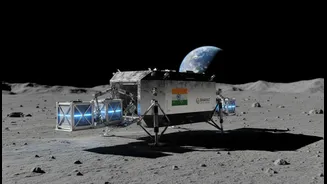
India's lunar ambitions are not new. The highly successful Chandrayaan program has already made India the first and only country to soft-land a spacecraft near the lunar South Pole. This expertise is incredibly valuable. ISRO is now planning Chandrayaan-4, an ambitious mission scheduled for around 2028, which aims to collect lunar samples from the South Pole and return them to Earth. The objectives of Chandrayaan-4—demonstrating sample collection, ascent from the Moon, and orbital docking—are highly complex and complementary to the goals of the Artemis program. The data gathered by ISRO's missions about the lunar surface, especially regarding water ice, can inform NASA's base-building efforts, creating a symbiotic relationship where both programs benefit from shared knowledge and parallel exploration of the same strategic region.
The Practical Payoff for India
Beyond the high-level science, NASA's push for a Moon base creates tangible opportunities for India. The Artemis program relies heavily on a commercial model, contracting private companies for launch services and hardware. As India's private space sector grows, signing the Accords positions Indian startups and tech firms to potentially participate in the burgeoning cislunar economy. This could involve building components, developing software, or providing other high-tech services. Furthermore, the technological advancements required for lunar exploration—in robotics, life support, materials science, and energy—have direct applications back on Earth. For India, this can drive innovation in domestic industries, create high-skilled jobs, and inspire a new generation to pursue careers in science and technology.