






More Than Just a Coffee Shop
Forget the quick, transactional coffee runs of the past. Today's popular cafés are vibrant, adaptable spaces that cater to patrons from breakfast to dinner. An all-day café is not just a restaurant, nor is it merely a coffee house; it's a hybrid. It offers
artisanal coffee and fresh pastries in the morning, transitions to a bustling lunch spot with salads and sandwiches, and by evening, transforms into a relaxed hangout with elaborate meals, and sometimes even cocktails. This model thrives on flexibility, offering a welcoming environment whether you’re there for a solo work session at 11 AM or a group dinner at 8 PM. This evolution is a direct response to a gap in the market: the need for a place that is more relaxed than a formal restaurant but more substantive than a simple coffee counter.
The 'Third Place' Reimagined
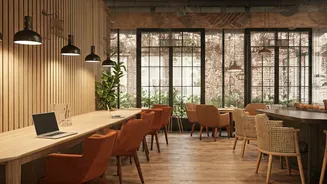
Sociologists talk about the 'third place'—a space that is neither home (the first place) nor work (the second place), where community and connection can flourish. For generations in India, this might have been a local tea stall or a park bench. Today, for young, urban Indians, the all-day café has claimed this crucial role. With the rise of remote work, freelancing, and flexible schedules, these cafés have become unofficial co-working hubs. They provide the essentials—Wi-Fi, power outlets, and a steady supply of caffeine—but also offer something less tangible: the ambient buzz of human activity, a sense of community, and a place to exist publicly without pressure. It’s a space where you can be alone, together.
A Menu for Every Mood
A key reason for the success of all-day cafés is their culinary versatility. The menu is designed around modern eating patterns, which are less about rigid mealtimes and more about mood and convenience. You can find everything from avocado toast and smoothie bowls for a healthy start, to hearty pasta dishes, pizzas, and globally inspired mains for a proper meal. This shift is significant. In a competitive market, food has become the great differentiator, turning a simple beverage stop into a dining destination. As a result, the food-to-beverage sales ratio in many successful cafés is now almost equal, proving that patrons are coming for the full experience, not just a single item.
Designed for the Digital Age
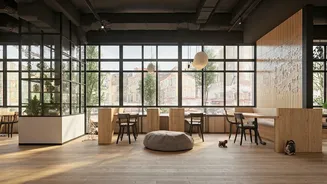
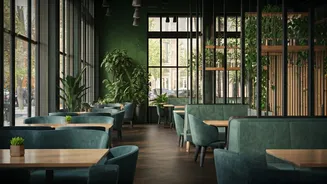
In the age of social media, aesthetics are paramount, and all-day cafés understand this better than anyone. These spaces are meticulously designed to be 'Instagrammable', featuring aesthetic decor, ample natural light, unique art, and beautifully plated dishes. For many young patrons, a café is not just a place to eat but a backdrop for their digital lives. The experience is something to be captured and shared. This creates a powerful, organic marketing cycle: people see a beautiful café online, visit it to create their own content, and in doing so, advertise it to their followers. The ambiance is as much a part of the product as the coffee itself.
A Reflection of a New India
Ultimately, the rise of the all-day café is about more than just business; it’s a cultural phenomenon. It reflects the changing priorities of a generation that values flexibility, experience, and community. Young Indians are more globally exposed, digitally connected, and have different work-life expectations than their parents. They are seeking spaces that can keep up with their fluid lifestyles. Eating out is no longer just for special occasions; it's a regular part of life, with the average frequency of dining out on the rise. These cafés provide a physical manifestation of this new, modern Indian identity—one that is both locally rooted and globally aware.