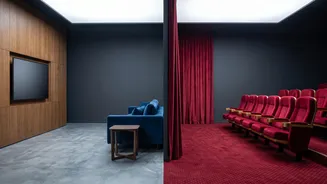








The Screen Gets Sharper
Not long ago, the visual grandeur of a cinema was its biggest draw. Today, that gap is closing rapidly. The proliferation of 4K Ultra HD televisions, once a luxury item, has brought cinematic clarity into the mainstream. With four times the pixels of standard
HD, these screens deliver breathtaking detail and vibrant colours. Technologies like High Dynamic Range (HDR) and Dolby Vision further enhance the picture, offering deeper blacks, brighter whites, and a spectrum of colours previously impossible on a home screen. For young, tech-savvy consumers, the ability to watch a film with the director's intended colour grading and clarity is a powerful incentive to stay in. This shift is supported by a growing smart TV market in India, driven by a tech-forward youth and rising disposable incomes. The television is no longer just a passive screen; it's an intelligent, high-fidelity portal to entertainment.
Sound That Pulls You In
Visuals are only half the story. The other key factor is the dramatic improvement in home audio. Immersive sound technologies like Dolby Atmos are no longer confined to high-end cinemas. Soundbars and home theatre systems equipped with Dolby Atmos create a three-dimensional soundscape where audio moves around the listener, mimicking the real world. This 'object-based' audio allows for precise placement of sounds, whether it's the subtle rustle of leaves or the roar of a jet engine overhead. Brands like Sony, JBL, and Samsung are offering powerful yet accessible systems that make this cinematic audio experience a reality in homes across the country. The Indian soundbar market, for instance, is seeing significant growth, projected to reach over USD 450 million by 2034, driven by this demand for superior audio.
Content Tailored for the Couch
This hardware revolution is perfectly timed with a content explosion on Over-the-Top (OTT) platforms. Services like Netflix, Amazon Prime Video, and Disney+ are not just hosting vast libraries; they are actively producing and streaming content in 4K with Dolby Atmos sound. This creates a powerful synergy: the technology provides the capability, and the streaming services deliver the high-quality content to match. For many young viewers, the convenience of accessing a newly released film or a prestige series from home is a primary motivator. A 2022 survey showed that 44% of urban Indians cited the ability to stream online as the biggest reason for their reduced trips to the cinema. This content-driven shift means audiences are becoming more selective, reserving theatre visits for major 'event' films while consuming the majority of their entertainment at home.
The New Economics of a Movie Night
Beyond technology and content, the decision often comes down to simple economics. A single trip to a multiplex for a couple can involve costs for tickets, travel, and expensive concessions. This easily surpasses the monthly subscription cost of multiple streaming services. While setting up a premium home theatre requires an initial investment, the long-term value proposition is increasingly attractive. Many see it as an investment in their home and lifestyle. With the cost of high-quality TVs and sound systems becoming more competitive, what was once a niche hobby is now an achievable goal for a larger segment of the population. The preference to watch films at home and the high expense of cinema visits are cited as major reasons for declining theatre attendance. This cost-effectiveness, combined with the comfort and convenience of one's own space, makes a compelling financial case for building a home entertainment setup.