




Demystifying ‘Social Media Cloud Trackers’
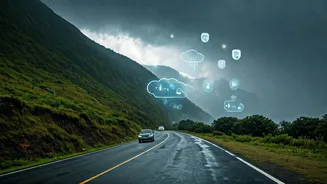
First, let's clear up the term ‘social media cloud trackers’. This isn't a single, magical app you can download. Instead, think of it as a modern travel strategy. It’s the art of combining two powerful sources of information: professional weather forecasting
apps and the real-time, on-the-ground intelligence shared by fellow travellers on social media. While a weather app can tell you it’s likely to rain in Lonavala, a quick search on Instagram can show you a video, posted minutes ago, of the exact road conditions, fog levels, or surprise waterfalls. This two-pronged approach gives you a complete picture, helping you avoid nasty surprises like landslides or flooded roads and making your spontaneous trip both safer and more enjoyable.
Step 1: Master the Weather Apps
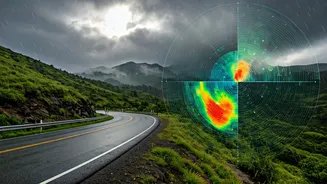
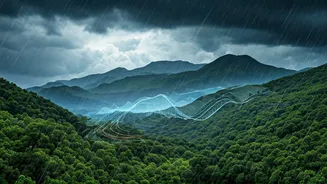
Your foundation is reliable weather data. Don't just rely on the default app on your phone. For Indian monsoons, you need specifics. Download apps from trusted sources like the India Meteorological Department (IMD)’s ‘Mausam’ app, which provides district-level warnings and radar imagery. Another excellent option is ‘Skymet Weather’, which offers detailed forecasts and live lightning maps. The key is to look beyond the simple rain icon. Use the radar function to see the direction and intensity of approaching rain clouds. This helps you decide whether to wait out a storm for an hour or change your route entirely. Set up alerts for your planned route and potential overnight stops to get ahead of any severe weather warnings.
Step 2: Use Social Media for Human Intelligence
This is where the 'social media' part of the strategy comes alive. Platforms like Instagram, X (formerly Twitter), and Facebook are invaluable sources of real-time information. Before you start, and even during your drive, search for relevant hashtags like #[Destination]Diaries (e.g., #MunnarDiaries), #MonsoonDrive, or #RoadsOfIndia. Filter by ‘Recent’ to see the latest posts. You'll find videos and photos of current road conditions, traffic jams, or even newly discovered scenic spots that aren't on any map. Join dedicated travel groups on Facebook for states you plan to visit, like ‘Wanderers of Maharashtra’ or ‘Kerala Tourism Community’. Members often post urgent updates about road closures, landslides, or police advisories, providing crucial information that official channels might be slower to report.
Step 3: Keep Your Trip Budget-Friendly
A rainy road trip doesn’t have to drain your wallet. The monsoon is often the shoulder season for many destinations, meaning hotels and homestays offer significant discounts. Use booking websites but also call properties directly to ask for their best ‘off-season’ rate. Planning your food budget is also crucial. While trying local food is part of the fun, packing snacks, water, and a flask of hot tea or coffee from home can save you a surprising amount of money and is a lifesaver if you get stuck in a jam. For fuel, use apps like Google Maps to plan the most efficient route, not just the fastest one. A slightly longer drive on a better-maintained national highway can be more fuel-efficient and safer than a shortcut through crumbling rural roads.
Step 4: Essential Prep for a Monsoon Drive
No amount of digital planning can replace physical preparation. Before you leave, get your vehicle checked thoroughly. Pay special attention to your tyres (good tread is non-negotiable for wet roads), windscreen wipers, and brakes. Pack an emergency kit containing a first-aid box, a powerful torch, a tow rope, and a puncture repair kit. Inside the car, keep a few extra towels and a change of clothes and footwear easily accessible. Waterproofing is your best friend: use dry bags or even simple plastic bags to protect your electronics, wallets, and important documents. Finally, always drive slower than you normally would. Water on the road can hide potholes and dramatically increase your stopping distance. The goal isn't just to reach your destination, but to enjoy the beautiful, rain-washed journey along the way.