


Embrace the Micro-Vacation
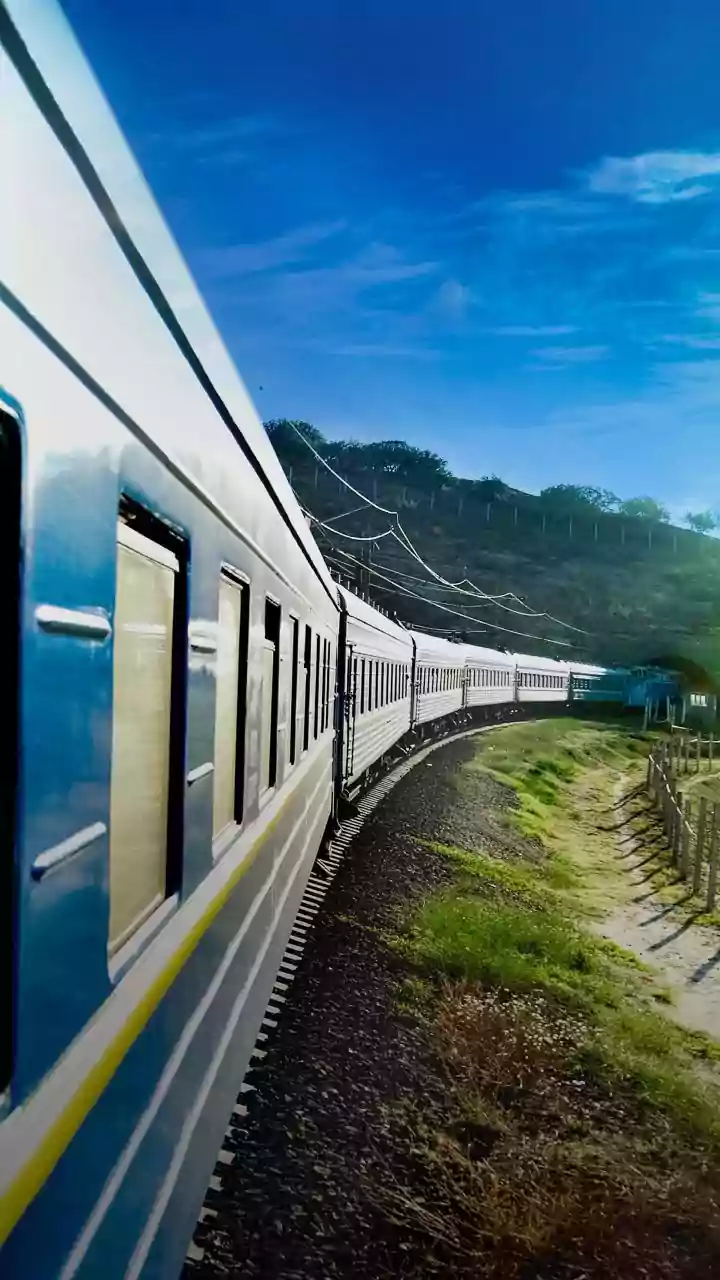
The secret to travelling more with a demanding job is to think small. Instead of holding out for a long holiday, embrace the power of the 'micro-vacation'. These are short, frequent trips of two to three days that fit neatly into a weekend. Look for destinations
within a three- to five-hour drive or train journey. This minimises travel fatigue and maximises your time spent enjoying the destination. Places like Lonavala near Mumbai and Pune, or the outskirts of Bengaluru, are perfect for these quick escapes, offering a significant change of scenery without a massive time commitment. The goal is a quick reset, not a logistical puzzle. By keeping the travel time short, you can leave after work on a Friday and be back by Sunday night, feeling refreshed for the week ahead without touching your leave balance.
Choose Your Destination Wisely
Not all monsoon destinations are created equal, especially when work might tag along. The ideal spot is a blend of natural beauty and reliable infrastructure. Destinations like Coorg and Chikmagalur in Karnataka, Munnar in Kerala, or even South Goa offer stunning monsoon landscapes along with good connectivity. These areas are popular for 'workations' because they understand the need for stable Wi-Fi and power backup. Before booking a homestay or resort, it's crucial to verify their internet speed and power situation. A beautiful view is less enjoyable if you can't send an important email. Also, consider the accessibility during heavy rains; avoid extremely remote places that might get cut off by landslides or flooding.
Mastering the Art of the 'Workation'
If you plan to work during your getaway, setting clear boundaries is key to ensuring it feels like a break. Communicate your availability to your team beforehand. Block out specific hours for work and stick to them. A good strategy is to dedicate the morning to focused work, leaving the afternoons and evenings free for exploration. Choose accommodations that have a dedicated workspace, not just a repurposed dining table. This helps create a mental separation between work time and leisure time. The change of environment itself can boost creativity and productivity, making you more efficient during your designated work hours. Listening to the sound of rain while you work can be incredibly soothing and make tasks feel less like a chore.
Pack Smart for Monsoon Travel
Packing for a monsoon trip requires a specific strategy: prioritise items that are waterproof and dry quickly. Swap cotton clothes for synthetic fabrics like polyester and nylon, which dry much faster in humid conditions. A lightweight, waterproof rain jacket is more practical than an umbrella, which can be useless against strong monsoon winds. When it comes to footwear, opt for waterproof sandals with a good grip rather than closed shoes that will trap water and take days to dry. Most importantly, protect your electronics. Carry waterproof bags or pouches for your laptop, phone, and chargers. Also include insect repellent, as mosquito activity increases during this season, and a portable power bank for unexpected outages.
Prioritise Safety and Flexibility
Monsoon travel is beautiful but can be unpredictable. Always check the weather forecast and road conditions before you leave, especially if you are heading to hilly areas prone to landslides. It's wise to have a flexible itinerary. Don't overschedule your days; leave room for spontaneous changes based on the weather. Sometimes the best part of a monsoon trip is simply sitting on a balcony with a hot cup of tea, watching the rain fall. Ensure the place you're staying has good reviews for monsoon travel and is known to be safe and accessible even during heavy downpours. Having travel insurance is also a good idea for any unforeseen disruptions.