


The Tiffin Gets a Modern Makeover
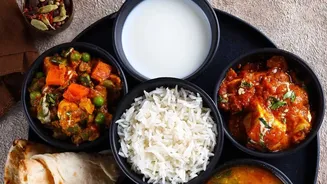
For generations, the stainless steel tiffin carrier has been an emblem of a home-cooked lunch, faithfully transporting roti, sabzi, dal, and rice from home kitchens to schools and offices. But a new trend is emerging, particularly among students. They
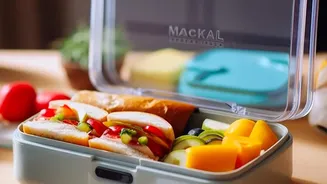
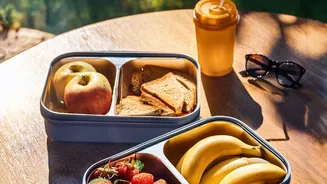
are adopting the Japanese bento box, a single-level container with multiple compartments, to pack their daily meals. This shift isn't just about a new box; it's about a new mindset. Driven by a desire for better portion control, visual appeal, and the sheer convenience of keeping different dishes separate, the bento is becoming the modern Indian tiffin. Social media feeds filled with aesthetically pleasing lunchboxes have also played a significant role, inspiring many to make their midday meal both nutritious and Instagram-worthy.
What is a Bento Box Anyway?
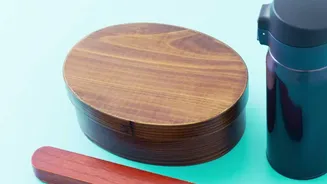
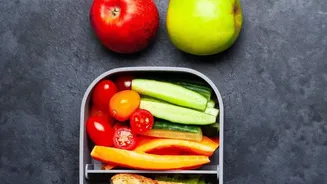
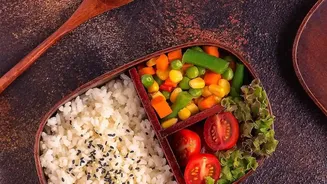
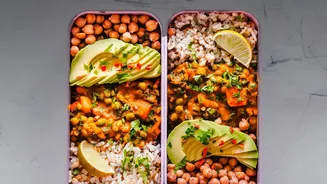
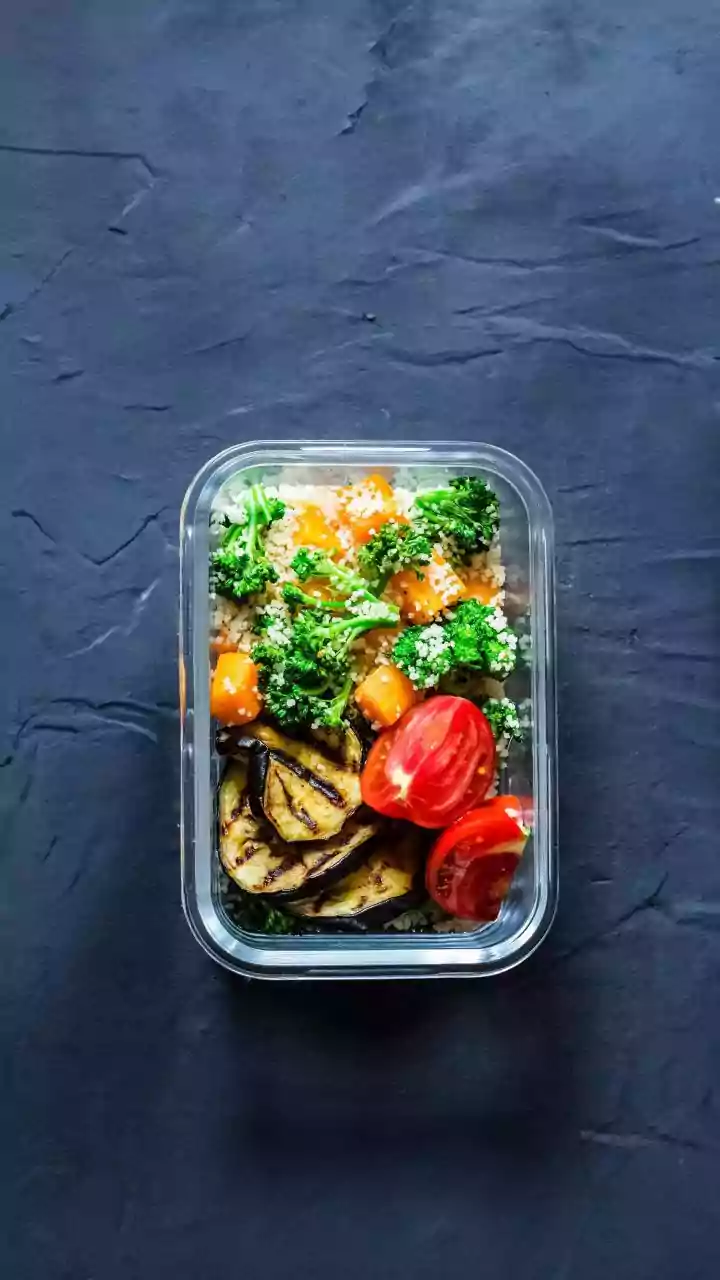
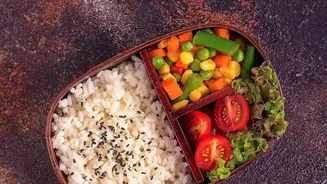
Originating in Japan, a bento box is a single-portion meal container designed to hold a complete, balanced meal. The philosophy behind it is about balance, variety, and presentation. Traditionally, a bento meal follows a principle of including different food groups, often in a specific ratio, such as carbohydrates, protein, and vegetables. The compartments are key; they ensure that flavours and textures don't mix, so a curry won't make your rice soggy, and a salad stays crisp. This structure naturally encourages portion control and mindful eating, as you can see your entire meal at a glance.
The Art of the Desi Bento
Applying bento principles to Indian cuisine is surprisingly intuitive, given our meals often consist of multiple components. The secret lies in a few simple packing techniques. First, always let cooked food cool down before packing to prevent sogginess and bacterial growth. Use compartments with strong silicone seals for liquid dishes like dal or sambar. Dry preparations like a bhindi fry or aloo gobi can go into open sections. Silicone cups are another great tool; they can be placed inside larger compartments to hold chutney, raita, or a small portion of pickle. For breads like roti or paratha, wrapping them in a small cotton cloth before placing them in a compartment can help maintain their texture.
Inspiration for Your Indian Bento
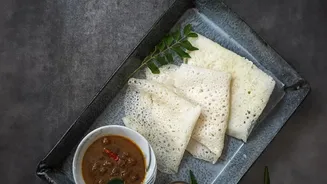
The possibilities for an Indian bento are endless and can be adapted to any regional cuisine. For a North Indian-inspired box, you could pack jeera rice in the largest compartment, with smaller sections holding paneer tikka, a cooling cucumber raita, and a small vegetable salad. A South Indian version might feature lemon rice, a portion of avial or poriyal, some curd rice, and a few pieces of papad. You can also create a snack-focused bento with items like dhokla or idli, a container of mint chutney, some sliced cucumber, and a handful of nuts. The key is to include a variety of colours, textures, and food groups to make the meal both balanced and exciting.
More Than Just Lunch
Adopting the bento style is about more than just a tidy lunch. For many students, the act of thoughtfully preparing and arranging a meal is a form of daily self-care. It encourages healthier eating habits by making portion control effortless and ensuring a variety of nutrients are included. This approach transforms lunch from a hurried necessity into a mindful, enjoyable ritual. It’s a quiet rebellion against soggy, mixed-up meals and a celebration of the care that goes into home-cooked food. It beautifully merges the love and tradition of the Indian tiffin with the mindfulness and organisation of the Japanese bento.