





Before you toss that watermelon rind into the compost, what if you could turn it into a delicious meal? This often-discarded part of the fruit is not only edible but incredibly versatile, ready to be transformed with a little creativity.
First, A Quick Prep
Cooking with watermelon
rind is simple, but it starts with a crucial first step. You'll want to use the firm, white part of the rind. First, separate the rind from the sweet, pink flesh. Then, take a vegetable peeler or a sharp knife and carefully remove the tough, dark green outer skin. What you're left with is the pale, crisp interior that has a mild taste and texture similar to a cucumber. This part of the watermelon is brilliant at absorbing flavours, making it a perfect blank canvas for a variety of dishes. It's also packed with nutrients like fibre, vitamin C, and citrulline. Once peeled, you can chop, slice, or dice it according to your recipe's needs.
Spicy Watermelon Rind Curry
One of the most flavourful ways to use watermelon rind is in a curry, or 'sabzi'. This approach is popular in many parts of India, where cooks have long known how to make use of the entire vegetable. For a delicious South Indian-style 'palya', you can temper mustard seeds, urad dal, and curry leaves in oil, then sauté the chopped rind with turmeric, salt, and sambar or rasam powder until tender. Another option is a Gujarati-style 'shaak', where the rind is cooked with cumin seeds, asafoetida (hing), and spices until soft, sometimes with a touch of jaggery for sweetness. The rind becomes tender while still retaining a slight bite, absorbing all the fragrant spices.
Classic Sweet and Tangy Pickles
Pickled watermelon rind is a timeless classic for a reason. It transforms the rind into a sweet, tangy, and crunchy condiment that’s perfect alongside cheeses, in sandwiches, or as a side for rich dishes. The process typically involves boiling the prepared rind pieces until tender. A separate pickling liquid is made by boiling vinegar (often cider vinegar), sugar, and a mix of pickling spices like cloves, allspice, and ginger. The hot liquid is then poured over the tender rind pieces, and the mixture is left to cool and refrigerate, allowing the flavours to infuse over a day or more.
Refreshing Watermelon Rind Gazpacho
For a no-cook option on a hot day, watermelon rind adds a wonderful texture to a chilled gazpacho. Its cucumber-like crunch makes it a natural substitute or addition to the classic cold soup. Simply blend chopped watermelon rind with traditional gazpacho ingredients like tomatoes, bell peppers, red onion, garlic, and a splash of red wine vinegar and olive oil. The rind provides a refreshing crispness that holds up well in the soup, adding extra fibre and nutrients without overpowering the other flavours. It’s a creative twist that also helps reduce kitchen waste.
A Zesty Addition to Stir-Fries
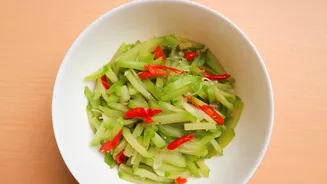
The firm texture of watermelon rind makes it an excellent ingredient for quick and crunchy stir-fries. Because it cooks relatively quickly, it should be added towards the end of the cooking process to maintain its bite. Cut the rind into thin strips or cubes and toss it into a hot wok with other vegetables like carrots and bell peppers. It pairs wonderfully with Asian-inspired sauces made from soy sauce, ginger, garlic, and a touch of honey or sesame oil. The mild rind soaks up the savoury sauce, providing a pleasant textural contrast to the other ingredients.
Surprising Candied Rind
If you have a sweet tooth, try turning the rind into candy. This old-fashioned treat involves simmering the rind pieces in a sugary syrup until they become tender and translucent. After simmering in the syrup, the pieces are typically drained and left to dry overnight. You can roll them in sugar for a classic finish. The result is a chewy, sweet confection with a unique texture. It’s a delightful way to transform something you would normally discard into a homemade sweet snack or a garnish for desserts.