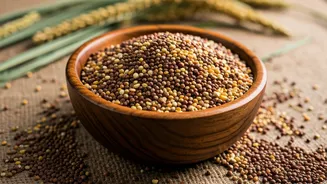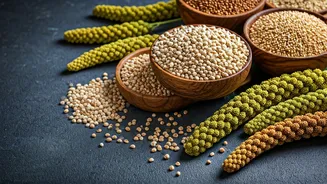



The Great Millet Renaissance
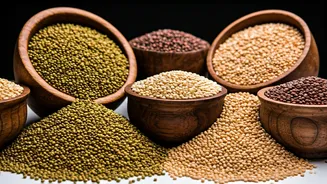
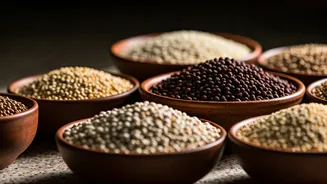
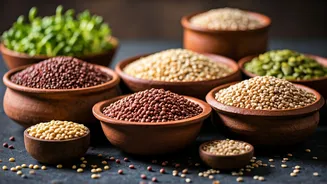
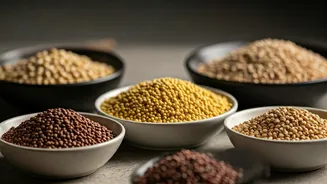
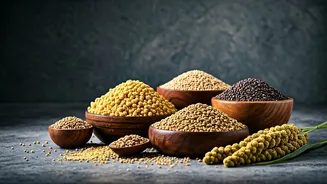
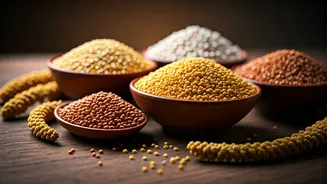
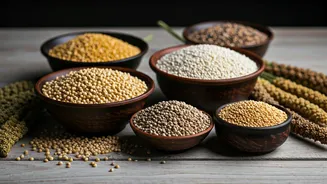
Not long ago, millets like ragi, jowar, and bajra were often seen as traditional, rural grains. Today, they are at the forefront of a global health movement. This resurgence was significantly boosted by the United Nations declaring 2023 the International
Year of Millets, but the trend has continued to grow. Consumers in India are increasingly seeking healthier, natural, and less-processed food options to manage lifestyle diseases and improve overall fitness. Millets perfectly fit this need. They are also a sustainable choice, requiring up to 70% less water than rice and wheat, making them an environmentally friendly crop in a changing climate.
A Nutritional Powerhouse
The popularity of millets isn't just a fad; it's backed by solid nutritional science. These grains are a treasure trove of health benefits. They are naturally gluten-free, making them an excellent choice for individuals with celiac disease or gluten sensitivity. Packed with dietary fibre, millets help you feel full longer, aiding in weight management and promoting digestive health. They are also rich in essential minerals like iron, calcium, and magnesium. Furthermore, with a low glycemic index, millets release glucose slowly, which helps in managing blood sugar levels, a crucial benefit for diabetics.
Breakfast: Your Healthiest Start
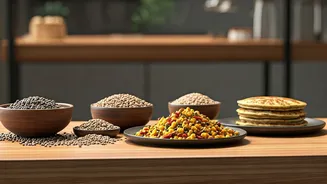
Swapping your usual breakfast for a millet-based one is an easy and delicious way to start your day. Instead of a standard rice-based dosa, try a crispy and nutritious Ragi Dosa, which has a unique nutty flavour. Soft, fluffy idlis can also be made with various millets like foxtail or barnyard, offering a healthy twist on the South Indian classic. If you prefer a warm bowl of porridge, millet is a fantastic alternative to oats. A creamy millet porridge, spiced with cinnamon and sweetened with a bit of jaggery, can be a comforting and energising meal. You can also make a savoury upma using foxtail millet for a quick and flavourful breakfast.
Reinventing Lunch and Dinner
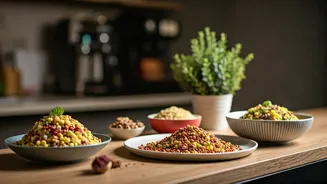
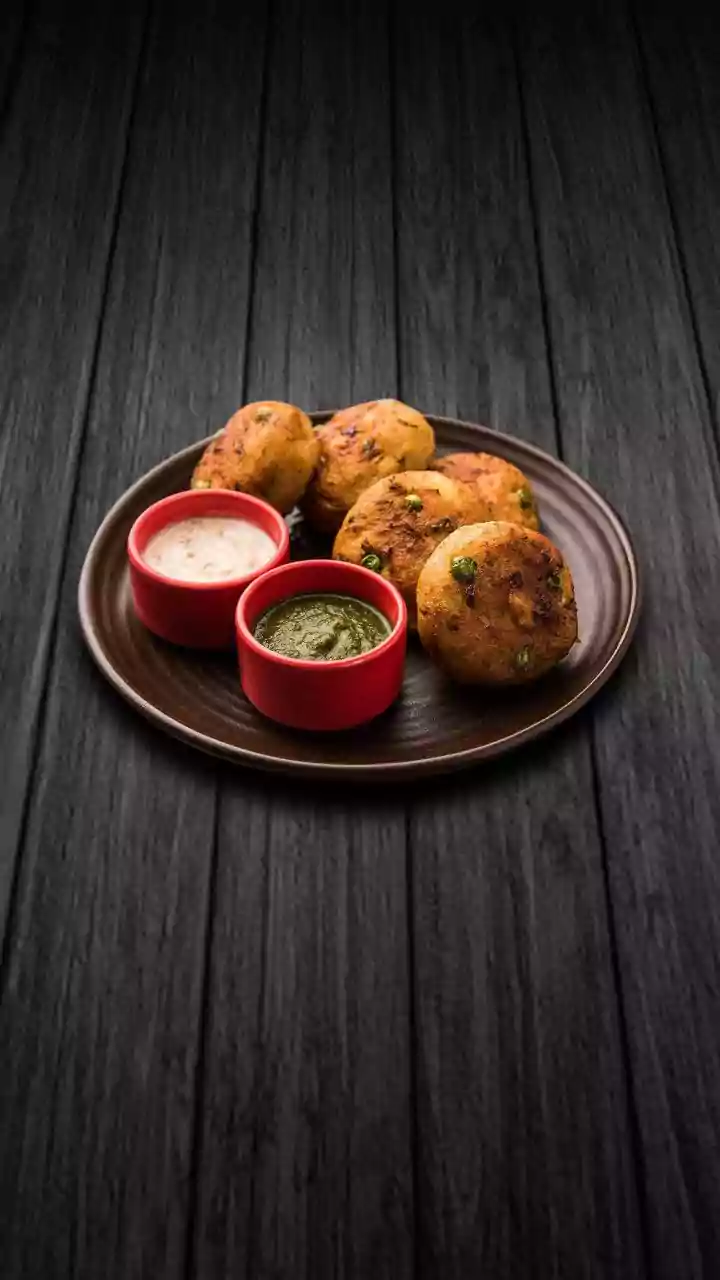
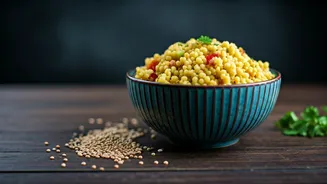
Millets are incredibly versatile and can easily replace rice or wheat in your main meals. For lunch, a refreshing lemon millet salad with roasted vegetables is a light yet filling option. You can use leftover cooked millet to create satisfying grain bowls or even as a healthy filler in veggie patties instead of breadcrumbs. For dinner, traditional dishes get a healthy upgrade. A hearty Bajra Khichdi is a classic comfort food, especially popular in Rajasthan and Haryana. You can also cook millets like a pulao, tempering them with whole spices and adding your favourite vegetables for a flavourful one-pot meal. Even flatbreads can get a millet makeover, with Jowar and Bajra rotis being popular and wholesome alternatives to wheat chapati.
Snacks and Sweets, Guilt-Free
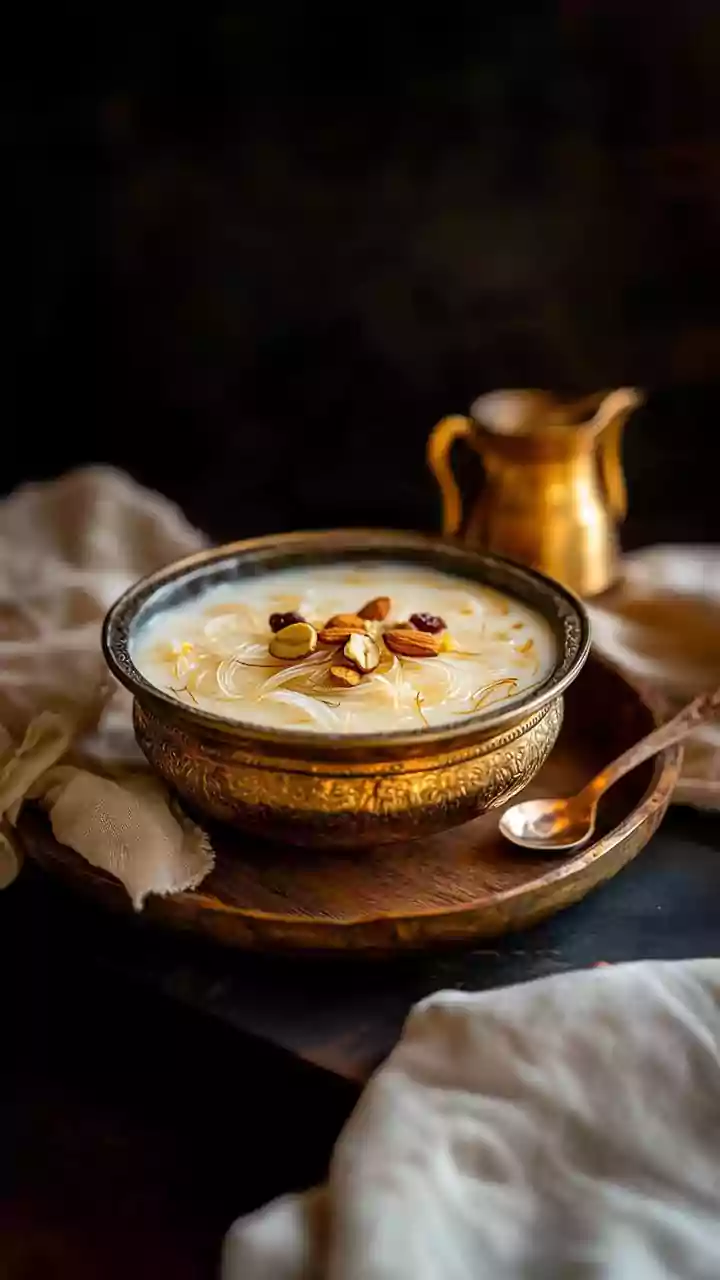
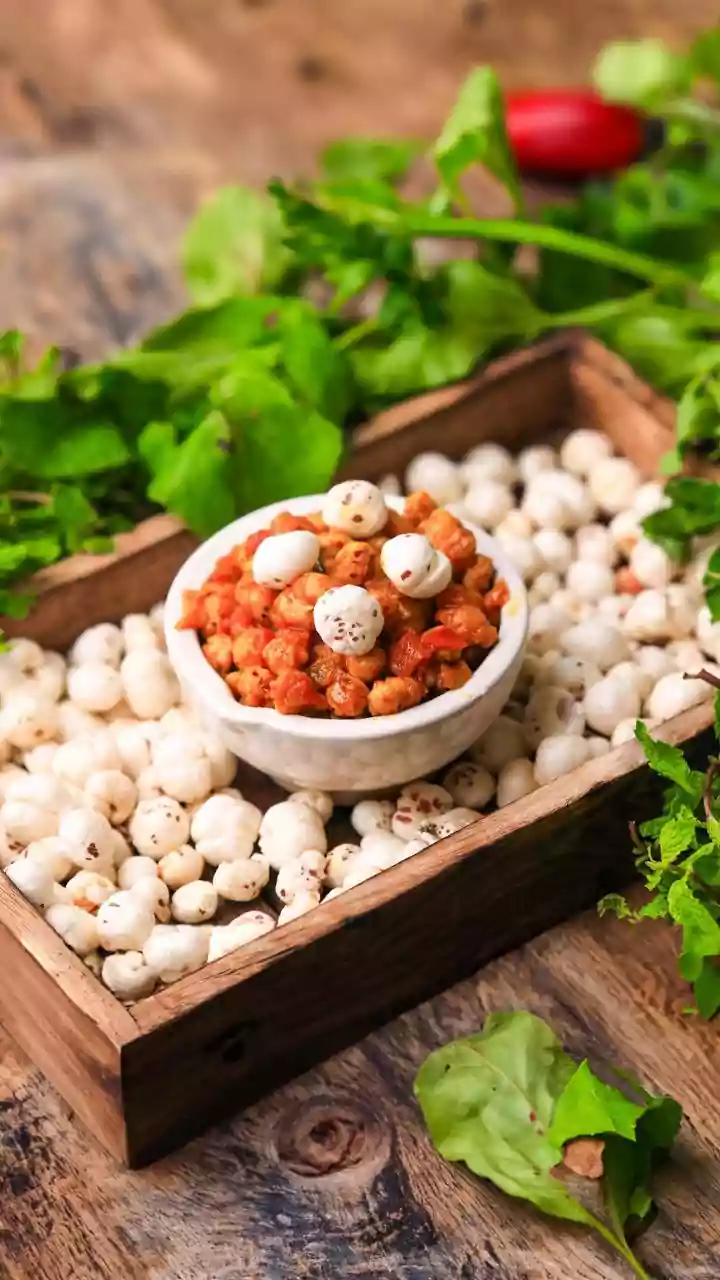
The millet trend extends to snacks and desserts, proving that healthy eating doesn't have to be boring. Food companies are launching a wide array of millet-based products, from cookies and crackers to noodles and energy bars. At home, you can prepare a crunchy and savoury Foxtail Millet Chivda for a quick tea-time snack. For those with a sweet tooth, Ragi Ladoos, made with finger millet flour, jaggery, and ghee, are a nutritious treat packed with calcium and iron. You can also prepare a creamy and delicious kheer using millets like foxtail or ragi, offering a healthier take on the traditional dessert.