
A New Strategy on Two Wheels
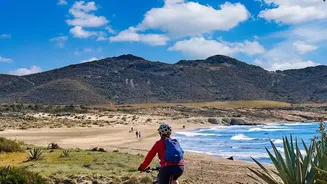
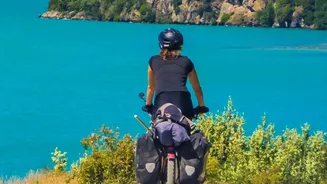
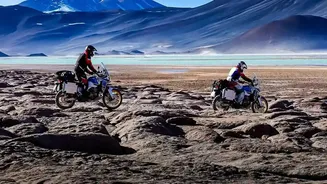
The Parvathipuram Manyam district administration has unveiled an ambitious plan to bolster the local economy, particularly in its tribal areas, by promoting 'bike tourism'. The core idea is to attract motorcycle enthusiasts to explore the region's dense
forests, winding ghat roads, and spectacular waterfalls. This initiative formalizes what has been an informal attraction for years, as the area is already popular with self-riding bikers and cyclists. District Collector Dr. N. Prabhakar Reddy has directed officials to develop a comprehensive action plan, focusing on creating safe and engaging experiences for visitors. This new focus on adventure tourism is seen as a powerful way to generate revenue and, more importantly, create sustainable employment for tribal youth.
Mapping Out the Adventure
The plan involves identifying and developing specific tourism circuits. Officials have been tasked with mapping out 30-kilometre stretches that connect key attractions like waterfalls, scenic viewpoints, and offer facilities for overnight stays. These circuits are being planned across all four of the district's Assembly constituencies: Parvathipuram, Kurupam, Salur, and Palakonda. The strategy isn't just about long-distance riders. It builds on the success of a pilot project launched last year—the state's first tribal bike taxi service. This service saw local Adivasi youth ferrying tourists on motorcycles to remote waterfalls that were previously accessible only by trekking several kilometres, receiving a positive response from visitors.
Waterfalls and Winding Roads
Manyam district is being branded as the “Home of Waterfalls,” and for good reason. The administration is focused on developing at least ten waterfalls, including Lodda, Tatikonda, Neelam Valasa, and Dalaivalasa, by improving infrastructure and safety measures. Recent efforts have already led to a massive surge in visitors, with officials reporting that three lakh tourists arrived in just three months to see the waterfalls. Locations like Moganali Waterfalls are being upgraded with amenities such as food stalls, safe swimming zones, and even rope-assisted climbing. Beyond waterfalls, the district is also promoting activities like rock climbing and trekking, with 12 new trekking routes identified to showcase the region's natural splendour.
Empowering Local Communities
At its heart, this initiative is about community-led growth. The focus is not just on sightseeing but on creating tangible livelihoods. The administration is training tribal youth to work as official trekking guides and providing first-aid training to ensure visitor safety. This approach is part of a larger model that has seen local Adivasi communities take the lead in building small-scale infrastructure like bamboo bridges and clearing paths, often with more efficiency and local knowledge than planned projects. By setting up shops, food stalls, and homestays, local villagers are positioned to become the primary beneficiaries of the increased tourist footfall, turning natural beauty into economic stability.
The Road Ahead
While the potential is immense, the road to becoming a premier adventure tourism hub has its challenges. Ensuring the new infrastructure is sustainable and does not harm the pristine environment is a key concern. Officials are promoting plastic-free zones and responsible tourism to mitigate the environmental impact. Another challenge is ensuring that the economic benefits are distributed equitably and reach the most remote communities. The success of the initiative will depend on continued investment in safe riding routes, rest shelters, and reliable accommodation. To streamline the visitor experience, authorities are also developing a dedicated website for booking and installing QR codes at key spots for instant information.