




From Perfection to Personality
For years, the aspirational home was one of minimalist perfection—clean lines, neutral palettes, and an impersonal, hotel-like precision. Today, young homeowners are pushing back against this aesthetic. They are curating spaces that reflect their identities,
hobbies, and histories. This shift is towards what some call 'minimal maximalism' or 'artisan maximalism,' where the focus is on a curated collection of meaningful items rather than empty surfaces. It's a move from a house that looks good to a home that feels good and tells a personal story, celebrating the owner's unique personality through their decor.
The Comfort of Nostalgia and Craft
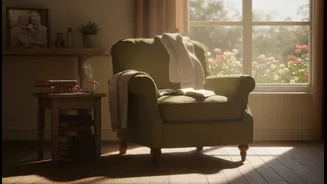
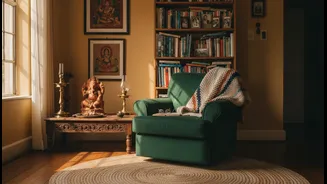
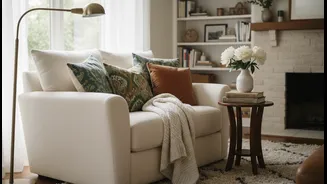
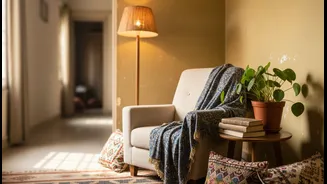
There's a growing appreciation for objects with a past. Whether it’s a brass lamp from a grandmother’s trunk, a repurposed wooden door, or a hand-me-down armchair, these items bring a sense of history and soul into a home. This trend dovetails with a renewed interest in traditional Indian craftsmanship. Young Indians are championing local artisans by incorporating hand-embroidered cushions, block-printed textiles, and terracotta pottery into their modern homes. This isn't just about aesthetics; it's a celebration of heritage and a way to create spaces that feel deeply rooted and authentic. The result is a blend of vintage and modern, where every piece has a narrative.
The Home as a Post-Pandemic Sanctuary
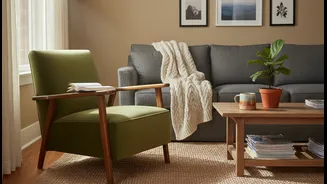
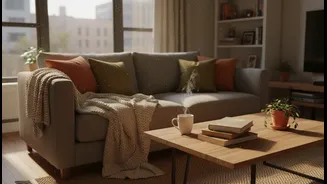
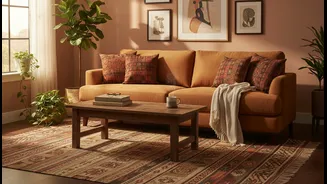
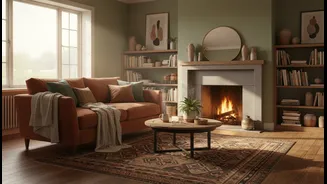
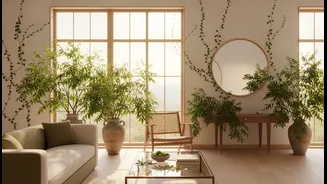
The pandemic fundamentally changed our relationship with our homes, transforming them into offices, gyms, classrooms, and sanctuaries. Having spent so much time indoors, the need for a comfortable, nurturing environment became paramount. This has driven a demand for homes that support mental well-being, with an emphasis on natural light, indoor plants, and comfortable, flexible spaces. The focus shifted from premium locations to liveable homes that offer a better quality of life. This desire for a calming refuge has led many to embrace warmer, earthier colour palettes like terracotta and sage green, which are seen as psychologically soothing.
Sustainability Becomes a Style Statement
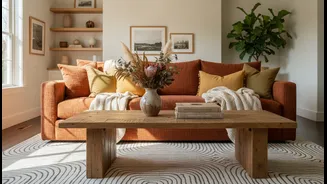
Conscious consumption is no longer a niche concept. For many young Indians, choosing sustainable decor is a core value. This translates into a preference for eco-friendly materials like bamboo, jute, and reclaimed wood. Upcycling old furniture and shopping for secondhand pieces are not just budget-friendly options but are now seen as stylish and environmentally responsible choices. The 'buy less, buy better' philosophy is taking hold, with a focus on durable, handmade investment pieces over fast-fashion decor. This trend signifies a deeper shift towards making mindful choices that align with personal values, proving that sustainability and style can go hand in hand.
Embracing Imperfection and Authenticity
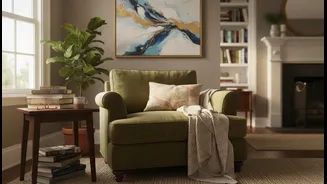
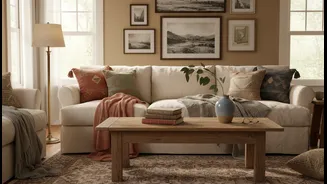
Perhaps the most significant driver behind this trend is a generational shift towards authenticity. In a world of digital filters and curated online personas, there is a growing desire for realness in our personal spaces. This is about celebrating the beauty of imperfection—the slightly worn rug, the collection of mismatched mugs, the gallery wall of personal photos and prints. This approach, sometimes called 'Indian Eclectic', is not about clutter but about a curated abundance that feels emotionally resonant. It’s a rebellion against the pressure to present a flawless life, instead creating a home that is genuinely and unapologetically yours: comfortable, welcoming, and perfectly imperfect.