




A Sanctuary with Royal Roots
Located in Gujarat, about 100 kilometres west of the Gir Forest, Barda Wildlife Sanctuary is a compact, hilly landscape covering just over 192 square kilometres. Declared a sanctuary in 1979, its history is much older. Before its official protection,
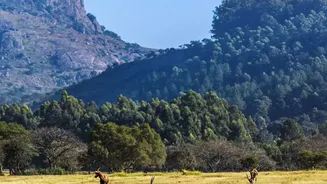
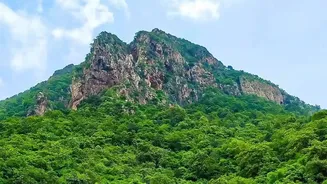
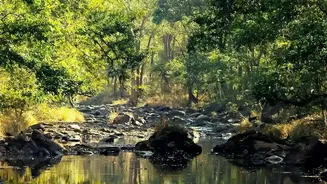
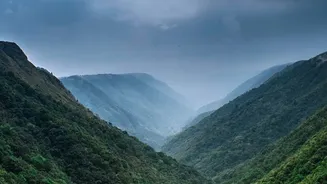
the area was a private hunting ground for the royal families of Porbandar and Jamnagar. Unlike the relatively flat terrain of Gir, Barda is characterized by rugged, undulating hills, which creates a different set of microhabitats. This unique geography, along with its two main rivers, Bileshvary and Joghri, supports a remarkably diverse range of life and acts as a natural barrier against salinity from the nearby coast.
A Rich Floral and Faunal Tapestry
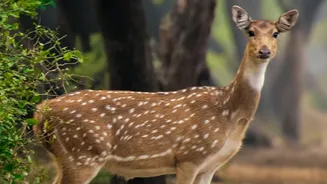
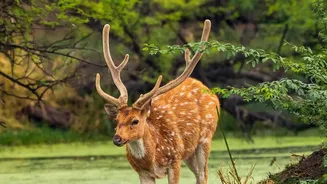
Barda boasts one of the highest levels of floral diversity in Gujarat, with some studies recording over 650 plant species. Its forests are a mix of southern dry mixed deciduous and northern tropical thorn forests, with bamboo brakes and scrublands dotted throughout. This variety of vegetation supports a rich faunal population. The sanctuary is home to predators like leopards, striped hyenas, and wolves. Its herbivore population includes nilgai (blue bull) and wild boar, which are crucial prey animals. Historically, species like chital (spotted deer) and sambar were present but became locally extinct. Recognizing this gap, conservation efforts have focused on reintroducing them to build a robust prey base.
The Lion's Long-Awaited Return
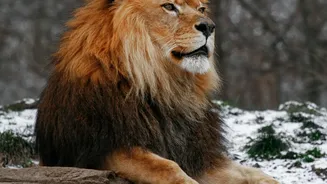
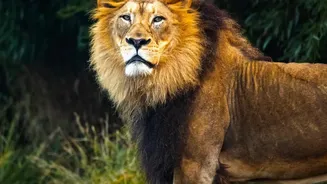
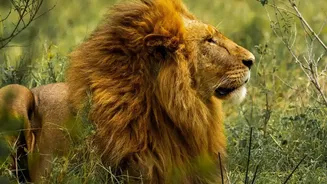
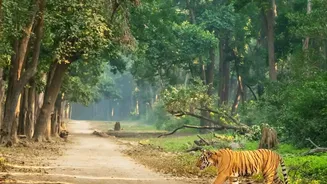
The most significant recent development for Barda is its designation as a second home for the Asiatic lion. For decades, the entire wild population of these majestic cats was confined to the Gir landscape, making them vulnerable to disease or other catastrophes. The idea of a second home in Barda is not new; the 'Gir-Barda Project' was initiated back in 1979. However, the plan gained serious momentum with the launch of the national 'Project Lion'. The project became a reality in January 2023, when a male lion naturally dispersed from Gir and walked into Barda—the first of its kind to do so in nearly 144 years. Following this natural migration, the Gujarat Forest Department introduced several females to establish a breeding population.
Building a Sustainable Future
By late 2025 and into 2026, the lion population in Barda had grown, with reports indicating a population including adults and cubs. This success is the result of meticulous planning. A key focus has been prey augmentation. To support the new predators, hundreds of chital and sambar have been translocated from Gir and released through captive breeding programs that began years earlier. A study published in 'PLOS One' confirmed that the lions are adapting well, with a diet primarily consisting of wild pig, supplemented by domestic cattle. This highlights the need for ongoing work to bolster the wild prey population and manage human-wildlife interactions, especially with the pastoralist Maldhari communities who live in and around the sanctuary.
Why Barda Matters for Conservation
The establishment of a lion population in Barda is a landmark achievement in Indian conservation. It creates a crucial 'habitat redundancy', meaning the species is no longer at the mercy of a single location. It reduces the population pressure on the overcrowded Gir landscape and provides a safe corridor for lions dispersing naturally. A study by the Wildlife Institute of India had earlier identified Barda as a suitable habitat, and recent monitoring of radio-collared lions has provided valuable data on their movement and use of the sanctuary. These insights are vital for managing the sanctuary proactively, ensuring that both the lions and the local human populations can coexist peacefully.