





The Current Charging Dilemma
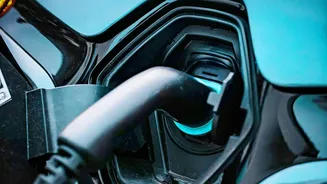
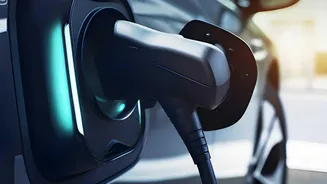
The electric vehicle revolution in India is gaining momentum, but it's still held back by a fundamental challenge: the battery. Today’s EVs rely on lithium-ion batteries, the same basic technology that powers our smartphones. While effective, they take
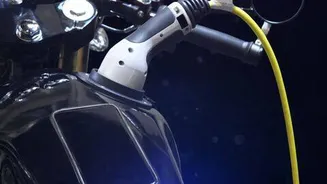
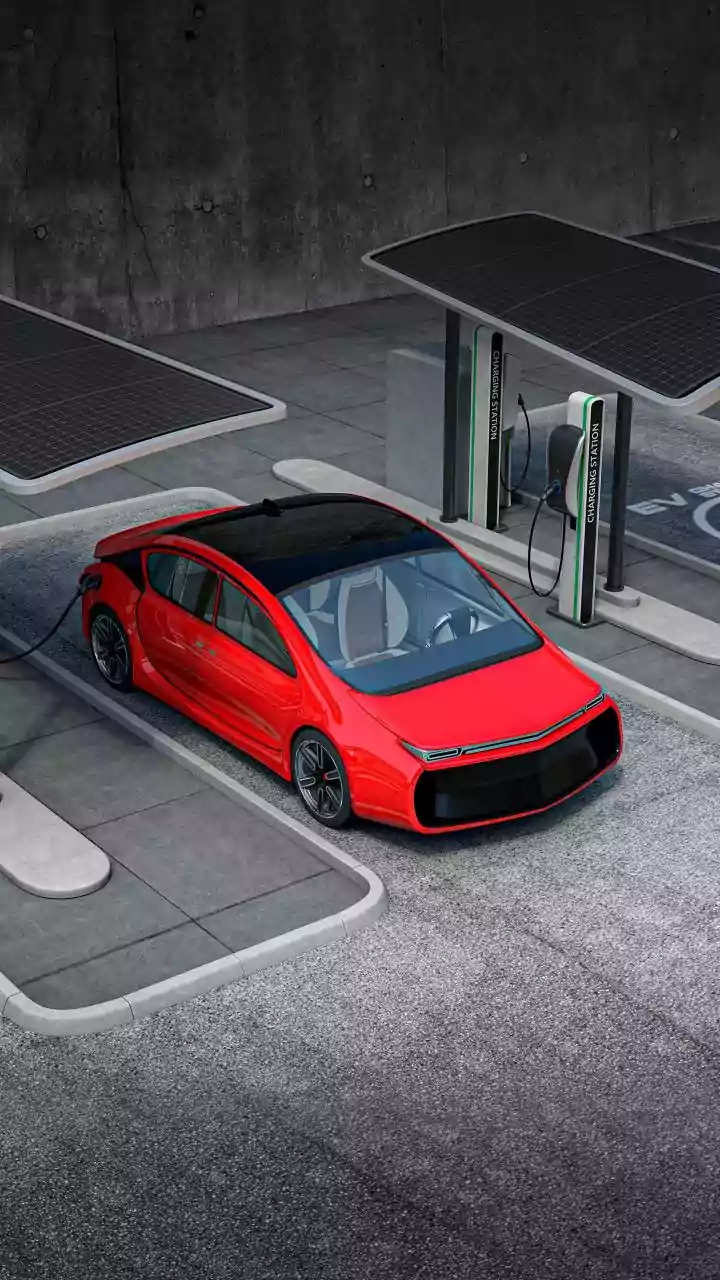
a significant time to recharge, often 30-60 minutes for a substantial top-up at a fast-charging station. This lengthy wait, coupled with the still-developing charging infrastructure, creates what is known as 'range anxiety'—the fear of running out of power far from a charging point. For a country on the move, this is a major roadblock to mass adoption.
What Is a Solid-State Battery?
Enter the solid-state battery, a next-generation energy storage solution that automotive and tech companies are racing to perfect. The key difference is in the name. A conventional lithium-ion battery uses a liquid electrolyte to move energy around inside it. This liquid is what can make batteries heavy, susceptible to overheating, and flammable in rare cases. A solid-state battery, by contrast, replaces this liquid with a solid material, often a thin ceramic or polymer layer. This simple change in composition unlocks a host of powerful advantages.
Faster, Safer, and More Powerful
The headline promise of solid-state technology is its incredible charging speed. Companies like Toyota have announced targets of charging an EV from 10% to 80% in just ten minutes or less. This is possible because the solid electrolyte is more stable and can handle higher currents without degrading. Beyond speed, these batteries are inherently safer, as they eliminate the flammable liquid electrolyte, reducing the risk of fire. They are also more energy-dense, meaning they can store more power in the same amount of space. This could lead to EVs with much longer driving ranges—some projections suggest well over 1,000 kilometres on a single charge—or smaller, lighter, and more affordable battery packs.
The Global Race to Mass Production
The potential is so immense that a global race is on to bring this technology to market. Toyota has been a long-time leader, holding over a thousand patents related to solid-state batteries and aiming to commercialise them in its vehicles between 2027 and 2028. The company is partnering with firms like Idemitsu Kosan to build factories capable of producing the necessary solid electrolyte at scale. Other major players include automakers like Nissan and Honda, and tech giants like Samsung. US-based QuantumScape, backed by Volkswagen, is also a key contender, developing a lithium-metal solid-state cell and building a partner ecosystem to enable mass production. Chinese manufacturers like BYD are also making significant strides, with some aiming for mass-producible cells as early as 2026.
Hurdles on the Road to Adoption
Despite the exciting promises, solid-state batteries are not yet ready for the mainstream. The technology has been 'five years away' for over a decade due to significant challenges. Manufacturing these batteries at scale is complex and expensive. The solid materials are brittle, and maintaining a perfect connection between the solid layers over thousands of charging cycles is a major engineering problem. While lab tests are promising, proving durability and reliability in real-world driving conditions is the next critical step. This is why most initial rollouts are planned for the late 2020s, with mass-market availability likely following in the early 2030s.
What It Means for India
For India, the arrival of solid-state technology could be transformative. Faster charging would make EVs as convenient as petrol cars, dramatically accelerating adoption. The enhanced safety and thermal stability are also a huge plus for India's often hot climate. The Indian government is already promoting domestic battery manufacturing through initiatives like the Production Linked Incentive (PLI) scheme for Advanced Chemistry Cells. As solid-state technology matures, it could provide a pathway for India to become a leader in next-generation battery production, reducing reliance on imports and powering a truly self-sufficient EV ecosystem.