




Imagine snipping fresh palak for your dal or coriander for your chutney, right from your own balcony. Even with limited space, a lush, edible garden is within reach. This guide makes it simple to get started and enjoy homegrown greens.
Choosing Your Easiest Greens
The key to a successful
balcony garden is starting with the right plants. For beginners, some of the easiest and most rewarding leafy vegetables are those that grow quickly and don't require a lot of space. Top choices for Indian climates include Spinach (Palak), Fenugreek (Methi), and Coriander (Dhania). These greens have shallow root systems and can be harvested multiple times. Spinach is a hardy green that can be ready for its first harvest in as little as 25-30 days. Methi is even faster, often ready in 20-25 days, and can be grown densely in shallow trays. Coriander takes a bit longer to germinate but provides fresh leaves that are a staple in Indian kitchens. Loose-leaf lettuce varieties also do very well in pots and can tolerate partial shade.
The Right Pot and Soil
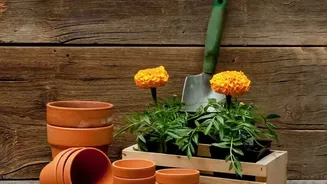
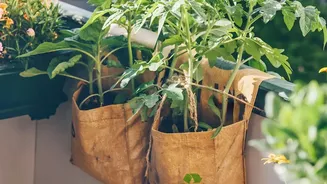
You don't need fancy equipment, but the right container and soil are crucial. For leafy greens, a pot or grow bag that is 6-8 inches deep is sufficient. Wider, rectangular planters are excellent for growing greens in rows and can fit perfectly along a balcony railing. Most importantly, ensure every container has drainage holes at the bottom to prevent water from logging and causing root rot. When it comes to soil, never use heavy garden soil from the ground, as it compacts in pots and drains poorly. Instead, use a lightweight potting mix. You can create an ideal blend by mixing equal parts cocopeat (for moisture retention), compost or vermicompost (for nutrients), and perlite or coarse sand (for drainage). This creates a fluffy, nutrient-rich environment where roots can thrive.
Sunlight and Watering Needs
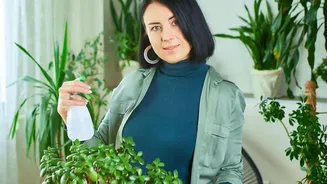
Before you plant, observe your balcony. How many hours of direct sunlight does it get? Most leafy greens are quite forgiving and do well with 4-6 hours of sunlight, ideally gentle morning sun. A south or west-facing balcony might be too intense during peak summer, so you might need to provide some shade, but it's perfect for most other times. East-facing balconies are often ideal for greens. Watering is another key factor. Potted plants dry out faster than those in the ground. A good rule is to check the soil daily. Poke your finger about an inch into the soil; if it feels dry, it's time to water. Water gently at the base of the plant in the morning, keeping the soil consistently moist but not soggy. Overwatering is a common beginner mistake, so always let the pot drain freely.
Sowing Seeds and Nurturing Growth
Sowing seeds is a simple process. For spinach, soaking the seeds overnight can help speed up germination. Plant them about half an inch deep and a couple of inches apart. For methi and coriander, you can simply scatter the seeds over the soil surface and cover them with a light layer of the potting mix. Gently water with a spray or a fine sprinkle. Seeds should sprout within one to two weeks, with methi being the fastest and coriander the slowest. As they grow, ensure the plants have good air circulation. If seedlings are too crowded, you can thin them out to allow the stronger plants to flourish.
Maximising Your Small Space
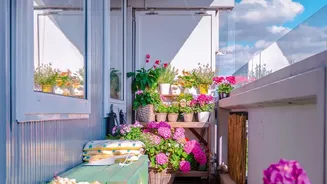
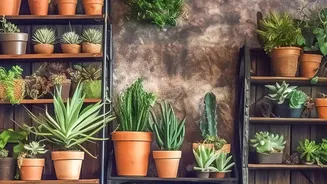
A small balcony doesn't mean a small harvest. The trick is to think vertically. Railing planters are an excellent way to use space you already have without occupying the floor. You can also use tiered racks or stackable planters to grow multiple pots in the footprint of one. Hanging baskets are another great option for trailing plants or even some herbs, creating a cascade of green. By using walls and railings, you can create a surprisingly productive garden, leaving you with floor space to move around and enjoy your green oasis.
Harvesting for a Continuous Supply
One of the greatest joys of growing your own greens is harvesting them fresh for a meal. For plants like spinach and lettuce, you can use the 'cut-and-come-again' method. Simply snip the outer, larger leaves with a pair of scissors, leaving the smaller, inner leaves at the center of the plant. This allows the plant to continue producing new leaves, giving you a continuous supply for weeks from a single sowing. For coriander and methi, you can harvest the tender stems and leaves as needed. Regular harvesting actually encourages the plants to grow more vigorously.