

A Sweet from Krishna's Birthplace
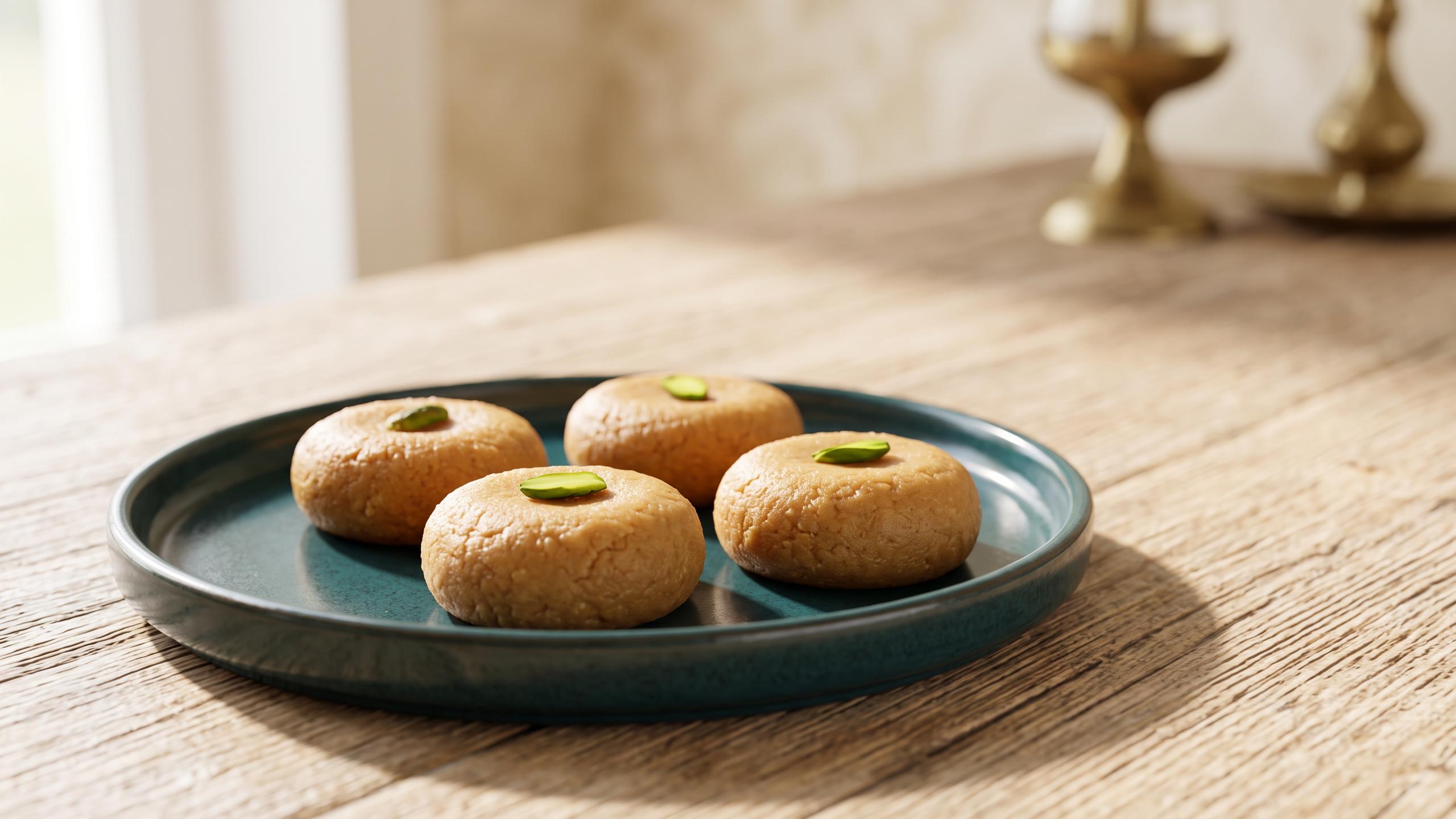
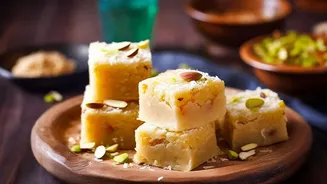
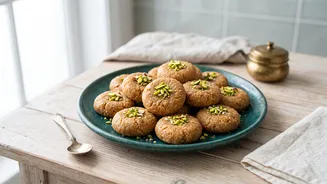
Janmashtami celebrates the birth of Lord Krishna, and no offering, or 'bhog', is more cherished than Peda, his favourite sweet. The city of Mathura, his birthplace, is famous for a particular style of this milk fudge, known for its rich, caramelized flavour
and slightly grainy texture. Unlike the common white peda, Mathura Peda gets its distinctive brown colour and deep flavour from the process of slowly roasting khoya (milk solids). Making it at home is a way to connect with the traditions of the festival, creating a prasad that is both authentic and filled with love.
Essential Ingredients
The magic of Mathura Peda lies in its simple, pure ingredients. For the most authentic taste, using the right components is key. You will need: Khoya/Mawa (unsweetened): 250 grams Sugar (Bura or Tagar is traditional, but powdered sugar can be used): 1/2 to 3/4 cup, adjusted to taste. Ghee (clarified butter): 2-3 tablespoons. Milk: 2-3 tablespoons (if needed). Cardamom Powder: 1/2 teaspoon. Nutmeg Powder: A pinch (optional, for authentic flavour). * Granulated or Powdered Sugar: For rolling the final pedas. For the best results, source good quality, fresh khoya, which can be found at most Indian grocery stores. Using full-fat milk products will yield a richer, more traditional flavour.
Step 1: Roasting the Khoya
The crucial step that defines Mathura Peda is the browning of the khoya. This can't be rushed. Start by grating the khoya so it cooks evenly. In a heavy-bottomed pan or kadai, add the grated khoya and begin to roast it on a low to medium flame. Stir continuously to prevent it from sticking or burning. As it heats, it will melt and then start to thicken again. After about 5-7 minutes, add a tablespoon of ghee. Continue to stir and break up any lumps. The colour will slowly change from white to a light golden, and then deepen into a rich brown. This process can take 15-25 minutes. Patience is key to developing the signature caramelized taste.
Step 2: Cooling and Shaping
Once the khoya has achieved a uniform dark brown colour and a crumbly texture, turn off the heat. If the mixture seems too dry, you can add a tablespoon or two of milk. Transfer the roasted khoya to a separate plate or bowl and let it cool down until it is just warm enough to handle. It should not be hot, as adding sugar to hot khoya will cause it to melt and become runny. Once warm, add the powdered sugar, cardamom powder, and nutmeg powder. Mix and knead the mixture with your hands until it comes together into a smooth dough. Take small portions, roll them into smooth balls between your palms, and then gently flatten them to create the classic peda shape. Finally, roll each peda in a little extra sugar for the traditional finish.
Tips for Perfect Pedas
To ensure your homemade Mathura Pedas are a success, keep these points in mind. Always use a heavy-bottomed pan to prevent the khoya from burning. Constant stirring is non-negotiable, especially as the khoya begins to brown. The most common mistake is not roasting the khoya long enough; aim for a deep, even brown colour for that authentic flavour. Another key tip is to let the roasted khoya mixture cool to a warm temperature before adding sugar. If you add it while the mixture is hot, it will release moisture and you won't be able to shape the pedas. Allow the shaped pedas to air-dry for an hour or two; this helps them develop the perfect texture.