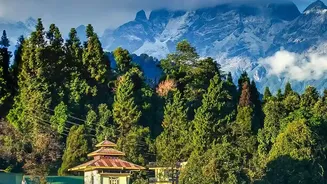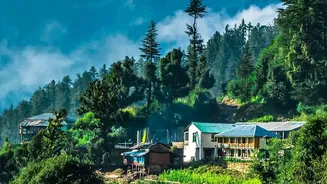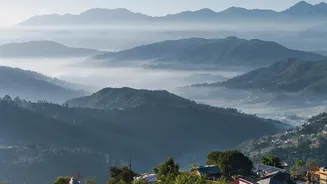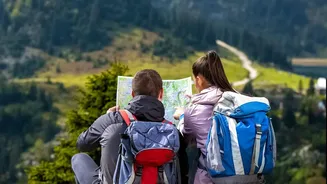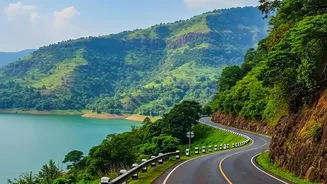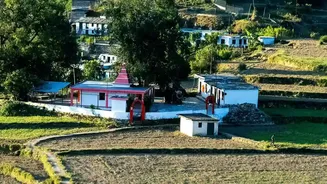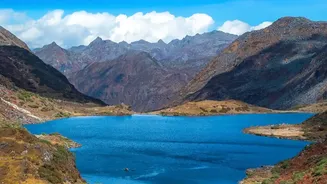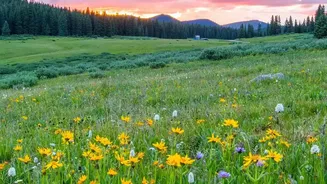

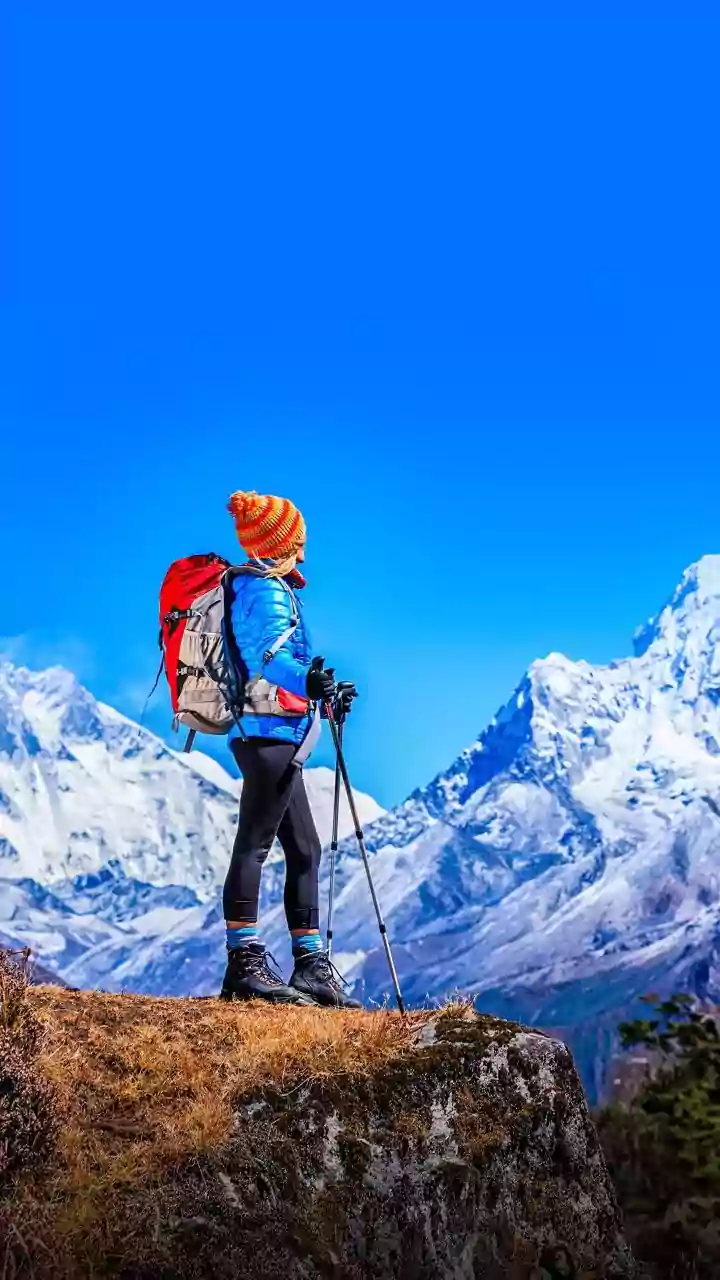

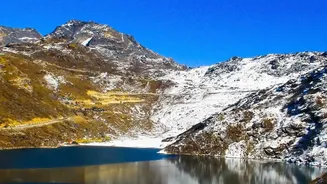
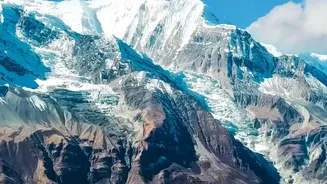
Sikkim's breathtaking landscapes invite exploration, but the temptation to see it all in a whirlwind tour often means you barely see it at all. To truly connect with its serene valleys and vibrant culture, you need to slow down.
The Problem with Rushing
The typical Sikkim itinerary
is a breathless dash: a day trip to Tsomgo Lake and Nathu La, a quick stop in Pelling for a Kanchenjunga view, and then a race back to the airport. This 'checklist' approach is driven by the desire to maximise a short holiday. However, Sikkim's geography works against this pace. The state is a network of steep, winding mountain roads where a 100-kilometre journey can easily take four to five hours. Unexpected landslides or sudden weather changes can halt traffic for hours. A rushed schedule leaves no room for these realities, turning a vacation into a stressful logistical puzzle. Trying to cover vast distances daily means most of your time is spent inside a vehicle, glimpsing the scenery through a window rather than experiencing it.
Embracing the Journey, Not Just the Destination
Slow travel is a mindset that prioritises connection over collection. Instead of ticking off a long list of places, it encourages spending more time in fewer locations. This approach is perfectly suited to Sikkim. Imagine spending three nights in a single village in West Sikkim, like the tranquil Darap or the historic Yuksom. This gives you time to not only see the main sights but also to explore on foot, discover a hidden waterfall, or simply sit and watch the clouds drift over the mountains. A slower pace allows for genuine relaxation and mindfulness, reducing the stress often associated with hectic travel schedules. It transforms travel from a frantic activity to a rejuvenating experience.
Discovering Sikkim's Hidden Gems
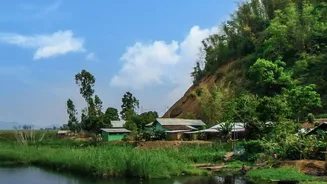
Sikkim’s most magical spots are rarely accessible on a quick day trip. Places like Dzongu in North Sikkim, the protected homeland of the indigenous Lepcha community, require special permits and time to appreciate. A hurried visit would miss the essence of its pristine forests and the warm hospitality of its homestays. Similarly, the remote villages of West Sikkim, such as Uttarey and Rinchenpong, offer an unfiltered look into rural life, Limboo culture, and stunning trekking trails that begin where the roads end. These offbeat locations—including the serene riverside village of Rolep in East Sikkim or the quiet splendour of Borong in the south—reward travellers who have the patience to venture beyond the popular tourist circuits.
The Practical Perks of a Slow Itinerary
Beyond the philosophical benefits, slow travel in Sikkim has practical advantages. Many of the state's most stunning locations, like Gurudongmar Lake and Yumthang Valley in North Sikkim, are at high altitudes. Rushing to these heights without proper acclimatisation can lead to altitude sickness, a serious health risk. Building extra days into your itinerary allows your body to adjust naturally. Furthermore, many of these pristine areas are protected and require permits, which are often arranged by local tour operators in Gangtok and can take a day or two to process. A slow itinerary accommodates these administrative necessities without stress. It also provides a buffer; if a road is blocked or the weather turns, a flexible schedule means you can wait it out or change plans without derailing your entire trip.
Connecting Through Culture and Community
One of the most rewarding aspects of slow travel is the opportunity for deep cultural immersion. Sikkim's network of community-run homestays is central to this experience. By staying with a local family in places like Dzongu or Darap, you do more than just rent a room; you become a part of their daily life. You can share home-cooked meals made with organic produce from their farm, learn about their traditions, and hear stories that no guidebook can offer. This form of sustainable tourism directly supports the local economy and ensures that your travel has a positive impact. These meaningful connections are what transform a simple holiday into a collection of cherished memories.