






The Data Is Now Public and Plentiful
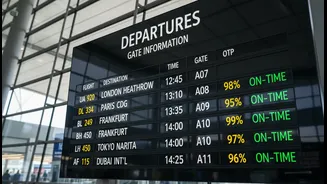
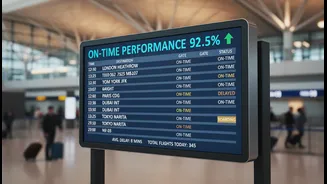
For years, a flight's punctuality felt like a matter of luck. Today, it’s a measurable metric. The Directorate General of Civil Aviation (DGCA) now publishes monthly On-Time Performance (OTP) reports for major domestic airlines operating out of India's
biggest metro airports. This information, once buried in industry reports, is now widely disseminated by news outlets and aviation analysts. This transparency means that for the first time, regular passengers can easily compare how often different airlines actually stick to their schedules. It’s no longer about brand perception; it’s about publicly available numbers.
A New Generation of Demanding Flyers
The profile of the Indian air traveler has changed dramatically. A growing middle class, increased disposable income, and the rise of low-cost carriers have made flying more accessible. Today's passengers are often paying for their own tickets, not flying on a corporate budget. They are more discerning, less tolerant of poor service, and value their time immensely. For this new generation of flyers, a two-hour delay isn't just an inconvenience—it's a significant disruption to a planned holiday or a crucial business trip, and they are willing to switch loyalties for a more reliable service.
Punctuality as a Competitive Battleground
With airfares in India being highly competitive, airlines are seeking new ways to stand out. On-time performance has become a key battleground. Carriers with strong OTP records now use it as a powerful marketing tool to attract time-sensitive business and leisure travelers. According to recent data, IndiGo and Akasa Air consistently lead the punctuality charts, often achieving OTP rates of over 80%. Meanwhile, Air India has shown significant improvement, recently breaking into the world's top five most punctual airlines for June 2026. Airlines know that a reputation for reliability can be as valuable as a cheap ticket.
The Social Media Megaphone
A delayed flight no longer ends with a quiet complaint at a customer service desk. It now unfolds in real-time on social media. Passengers armed with smartphones can share their frustrations with thousands, tagging airlines and regulators and demanding accountability. This public pressure has forced airlines to be more responsive. They can no longer afford to have videos of crowded, chaotic terminals go viral. Social media has become a powerful tool for consumer advocacy, giving a voice to disgruntled travelers and ensuring that operational failures have immediate reputational consequences.
The Real Cost of Being Late
Flyers are becoming acutely aware of the tangible costs of delays. In May 2026 alone, flight delays impacted over 177,000 passengers, while cancellations affected another 63,000. Airlines were forced to spend crores on compensation and facilitation for these disruptions. But beyond the official figures is the personal cost to passengers: missed business meetings, spoiled holidays, stressful connections, and unexpected expenses for food and accommodation. Furthermore, passengers are now more aware of their rights under DGCA regulations, which mandate compensation ranging from ₹5,000 to ₹20,000 for significant delays, pushing them to scrutinize airline performance more closely.
What the Latest Numbers Show
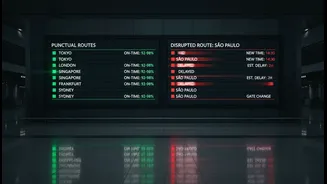
Recent data from May and June 2026 paint a clear picture of the current landscape. According to DGCA reports for May, IndiGo led in domestic on-time performance at 82.8%, followed by Akasa Air at 78.3%. The Air India group recorded 74.5%, showing a steady improvement that culminated in a global top-four ranking for punctuality in June. At the other end of the spectrum, some smaller carriers have struggled significantly with punctuality. These figures, influenced by factors like fleet, network complexity, and operational discipline, are what savvy flyers are now using to inform their choices, shifting from brand loyalty to data-driven decisions.